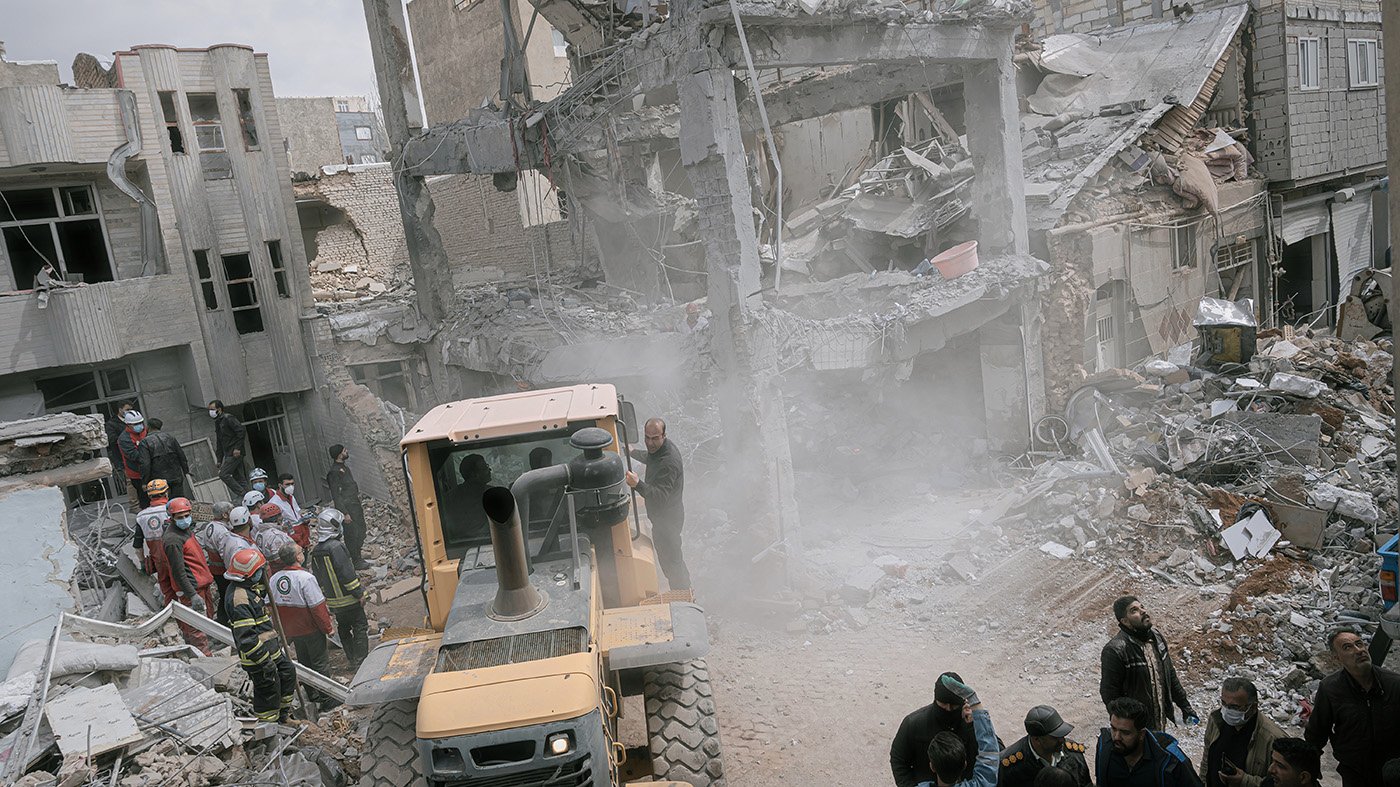
A new national survey reveals a plurality of American voters view escalating military operations against Iran as a destabilizing force for global security, exposing a profound partisan rift over foreign policy as the administration prepares additional troop deployments to the Middle East.
The Quinnipiac University poll, conducted March 19-23, found 42% of respondents believe the conflict is making the world less safe, compared to 35% who say it increases safety. Another 20% see no effect on global security. The data underscores public skepticism as military engagement intensifies.
A Stark Partisan Divide on Security
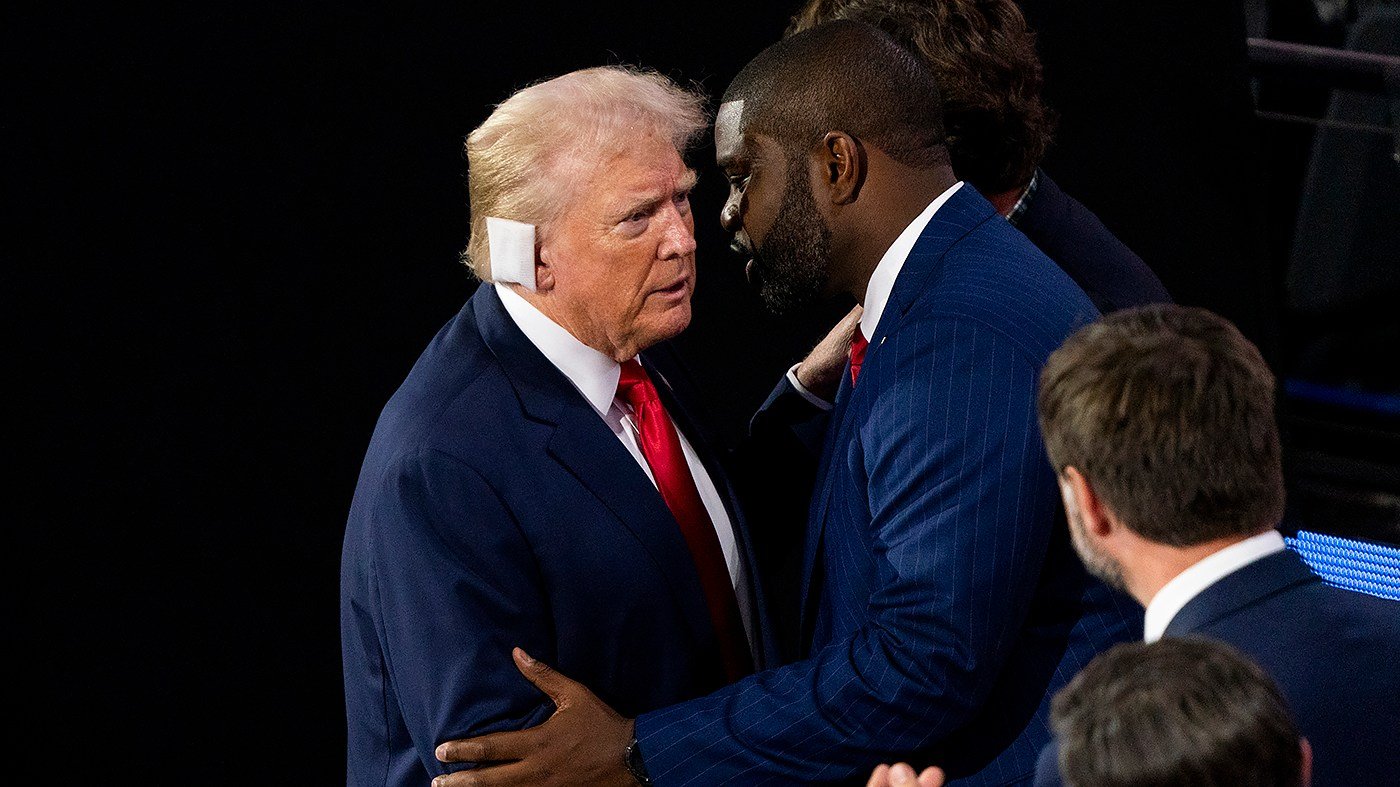
The poll reveals a dramatic split along party lines. Seventy-nine percent of Republican voters assert the conflict enhances safety, while a mere 2% of Democrats agree. This chasm reflects the polarized national debate over the administration's strategy, which began with joint U.S.-Israel strikes in late February following collapsed nuclear negotiations.
President Trump has not ruled out ground operations in Iran, and the Pentagon is preparing to deploy approximately 2,000 soldiers from the Army's 82nd Airborne Division to the region. The move has drawn widespread opposition from congressional Democrats.
Iran's Demands and Economic Fallout
On Wednesday, Tehran presented five conditions for ending hostilities, rejecting a U.S. ceasefire proposal. Central to Iran's demands is asserting authority over the Strait of Hormuz, a critical maritime corridor for global oil shipments. Iranian counterstrikes in the Persian Gulf have severely disrupted oil flow through the strait, sending energy prices soaring.
The national average price for regular gasoline surged by over a dollar from a month ago, according to AAA data. In response, the administration has moved to boost domestic production, temporarily eased sanctions on oil sales from Iran, Russia, and Venezuela, and tapped strategic reserves. However, the poll suggests limited immediate public alarm: less than half of respondents characterized rising gas prices as a "very" or "somewhat serious" household problem, with 30% calling it "not too serious" and 23% "not a problem at all."
The economic and security ramifications of the standoff continue to unfold, as highlighted by Iran's formal conditions for Strait of Hormuz passage.
Broader Political Context
The survey also captured the president's overall standing, with only 38% of respondents approving of his job performance—including 89% of Republicans and zero percent of Democrats. The foreign policy dispute occurs alongside other administration priorities, including an escalating legal campaign against major universities over antisemitism allegations.
The Quinnipiac poll surveyed 1,191 self-identified voters and carries a margin of error of approximately 3.6 percentage points. The findings arrive as some congressional voices, like Senator Lindsey Graham, have publicly urged a shift toward diplomatic negotiations with Iran. Meanwhile, public opinion appears skeptical of military escalation, with other surveys indicating a majority view U.S. action as excessive.