From Fringe to Mainstream: The New American Apocalypse
Once confined to religious subcultures and survivalist circles, apocalyptic belief has become a mainstream American conviction. According to a recent study published in the Journal of Personality and Social Psychology, approximately one-third of U.S. adults—more than 100 million people—now expect the world to end within their lifetime. This isn't vague anxiety but a concrete expectation that researchers say functions as a distinct psychological framework, fundamentally altering how individuals perceive and respond to global threats.
The Operating System of Catastrophe
The research distinguishes this belief from ordinary pessimism or anxiety. For those convinced humanity will cause its own demise, global threats appear more urgent and justify more extreme preventative measures. Conversely, those who view the end as divinely ordained show less inclination toward radical intervention. This psychological divide creates divergent political responses to the same crises, with belief structure proving more predictive than traditional party affiliation or income level in determining risk tolerance.
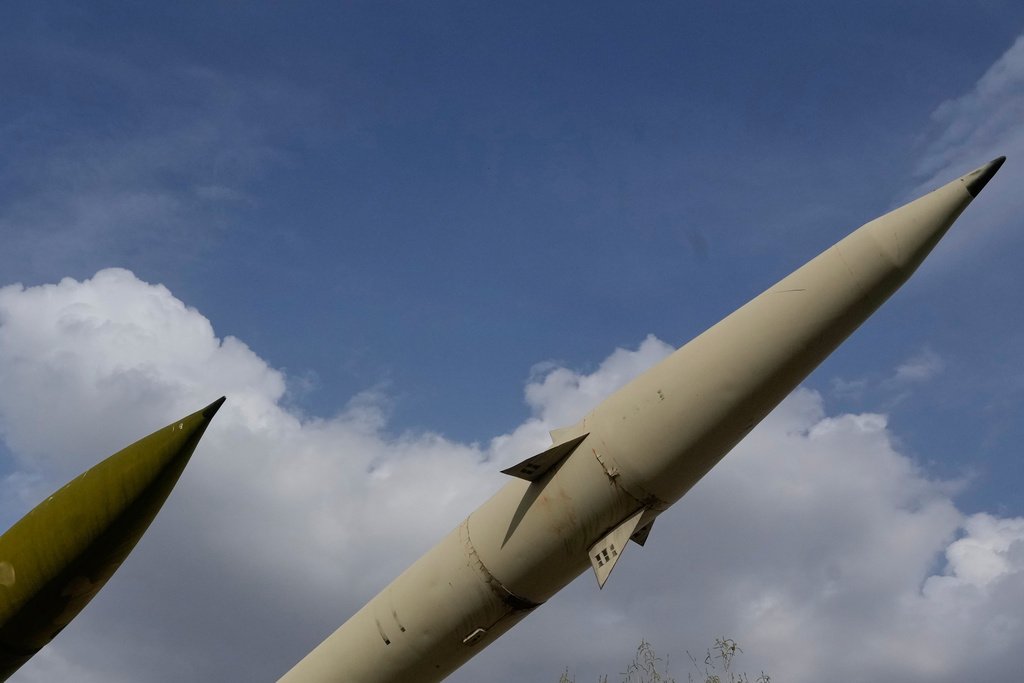
This shift coincides with multiple simultaneous crises that lend credibility to catastrophic thinking. The ongoing U.S.-Israel conflict with Iran has introduced significant structural stress to the global economy, disrupting shipping routes and creating volatility in energy markets. Many Americans are watching this geopolitical instability with growing concern, as recent polling shows a majority believe the U.S. position in the Iran conflict is deteriorating. The economic repercussions are already tangible, with U.S. gasoline prices surging by a dollar per gallon following disruptions in the Strait of Hormuz.
Technological and Economic Accelerants
Parallel to geopolitical instability, artificial intelligence has emerged as an existential economic threat, systematically dismantling white-collar job security. While promoted as a tool for augmentation, AI's practical effect has been the displacement of professional roles, eroding the middle-class stability that once defined American economic confidence. This technological disruption compounds broader economic pessimism, reflected in data showing over 70% of Americans perceive a deteriorating job market.
The convergence of open-ended conflict and economic displacement has dissolved traditional boundaries around doomsday thinking. Where preparation for catastrophe was once associated with specific subcultures, elements of prepper mentality—contingency planning, resource awareness—have entered mainstream urban consciousness. The new apocalyptic coalition spans evangelical Christians anticipating rapture, climate activists convinced of passed tipping points, and technologists modeling AI takeover scenarios.
Political responses to these converging threats reveal institutional strain. In Congress, progressive lawmakers have formally rejected a $200 billion funding request for the Iran war, while Speaker Mike Johnson has signaled that war funding will likely proceed through a GOP-only reconciliation package. This partisan divide over conflict financing occurs alongside other contentious policy battles, such as Senator Josh Hawley's push for a mifepristone ban gaining momentum among Senate Republicans.
The Self-Fulfilling Prophecy of Collapse
The most significant danger identified by researchers isn't merely that catastrophic expectations might prove correct, but that widespread belief in inevitable collapse can become self-fulfilling. When a critical mass of citizens loses faith in long-term institutional stability, investment in public projects, political compromise, and civic engagement declines. The research suggests a country braced for doom may accelerate its arrival through collective withdrawal from the systems that sustain society.
America finds itself in historically resonant territory: an overextended global power engaged in Middle Eastern conflict while grappling with record debt, industrial weakness, and profound public pessimism. The current moment echoes previous periods of apocalyptic fascination, but with a crucial difference—today's catastrophic expectations are fueled by multiple, simultaneous warning systems flashing red across geopolitical, technological, economic, and environmental dashboards simultaneously. The separation between those who anticipate the end and those who dismiss it has effectively vanished, creating a unified cultural moment defined by the expectation of imminent rupture.