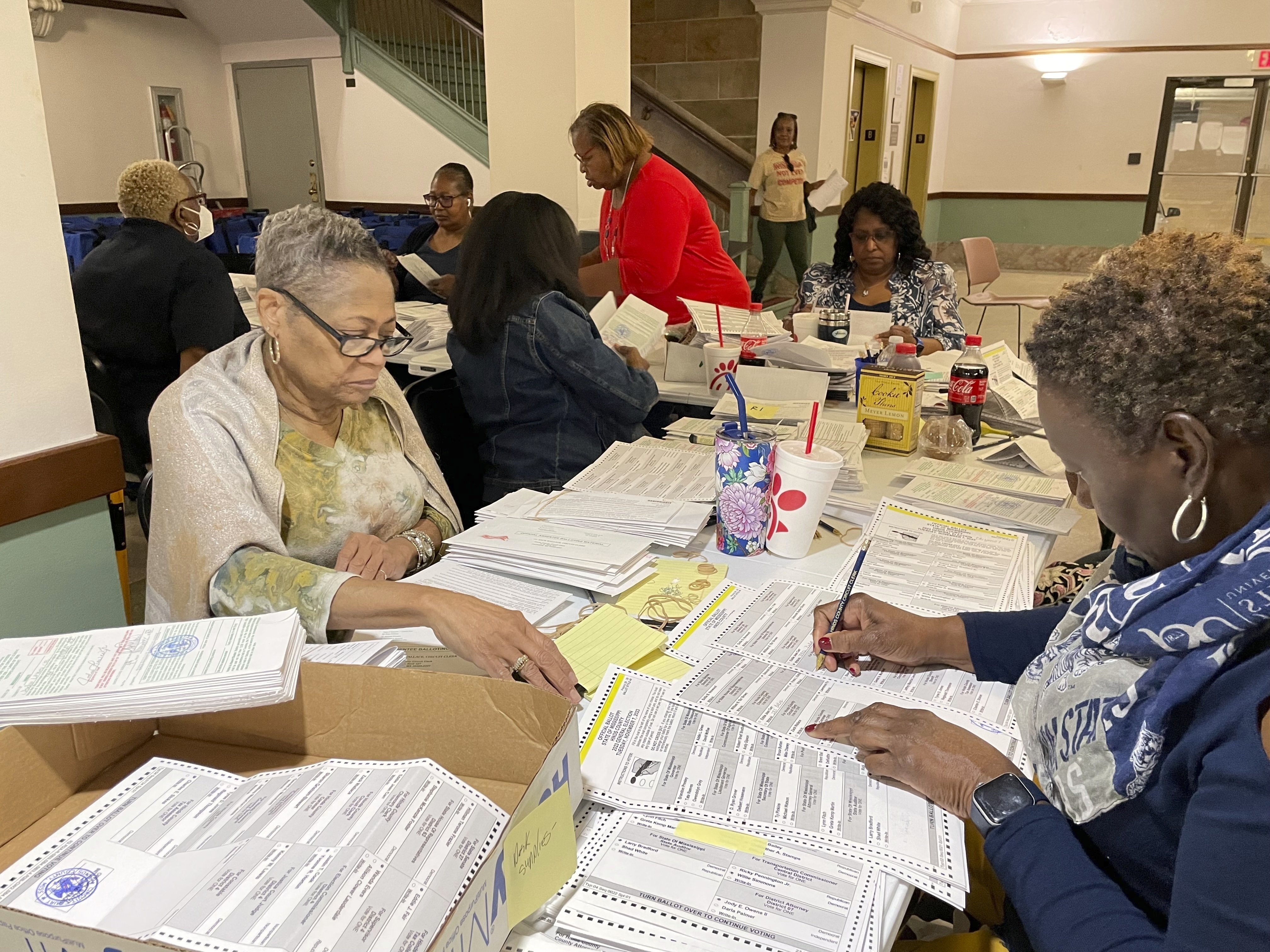
The Supreme Court appears poised to deliver a ruling that would eliminate the grace periods many states provide for mail-in ballots arriving after Election Day, forcing election administrators nationwide to prepare for significant procedural changes ahead of the midterms. During oral arguments on Monday, the justices scrutinized a Mississippi law that allows ballots postmarked by Election Day to be counted if received up to five business days later, with the court's conservative majority indicating skepticism toward the practice.
States Brace for Impact
More than a dozen states, plus the District of Columbia, maintain similar grace periods for domestic ballots, while 29 states accept late-arriving ballots from military and overseas voters—provisions that could all be invalidated by a broad ruling. Election officials from Oregon to Massachusetts are already developing contingency plans, anticipating a decision this summer that would require all ballots to be physically received by the close of polls on Election Day.
"This isn't just a singular action that's not going to have a ripple effect," said Rebekah Caruthers, president and CEO of the nonpartisan Fair Elections Center. "It puts an unfair burden on states." Caruthers warned that eliminating grace periods could disproportionately affect voters with disabilities or those facing transportation barriers, potentially reducing the number of ballots counted.
Administrative Scramble
In Oregon, where nearly 32,000 ballots were counted during the 2022 grace period, officials have already updated voter guidance to recommend mailing ballots at least seven days before elections. "Unfortunately, it is difficult to plan for a change that will occur just months before an election, especially when we can't know exactly what the court's decision will say," said Debra O'Malley, spokesperson for Massachusetts Secretary of State Bill Galvin. Galvin's office is exploring legislative options to extend polling hours and expand electronic voting for military voters in anticipation of an adverse ruling.
Illinois election authorities plan to use social media, traditional media, and direct voter contact to communicate any deadline changes, while encouraging voters to use secure drop boxes instead of postal mail. The timing presents particular challenges, as states like Massachusetts cannot send ballots earlier due to primary schedules, forcing them to rely heavily on public education campaigns.
Legal and Political Stakes
The Republican National Committee, leading the challenge against Mississippi's law, argues that federal election law establishes only one Election Day and that accepting ballots afterward violates this requirement. The case arrives as the Court handles other high-stakes constitutional questions that could reshape electoral policy.
During arguments, several justices expressed concern about creating a "slippery slope" that might affect early voting generally, noting that more than 88 million voters cast ballots early in the 2024 presidential election. The Mississippi statute was originally enacted during the COVID-19 pandemic but was later made permanent, creating the legal conflict now before the Court.
The potential ruling comes amid broader institutional tensions on the Court as it navigates politically charged cases. A decision against grace periods would represent another significant judicial intervention into election administration, following recent rulings on voting rights and redistricting.
Election experts warn that eliminating the buffer could disenfranchise voters in areas with unreliable postal service or limited early voting options. "Certain states have grace periods because they have shorter early voting periods or know that their polling locations aren't all accessible," Caruthers noted. With postal delivery times increasingly unpredictable, the practical impact could be substantial, particularly in rural communities and for voters with mobility challenges.