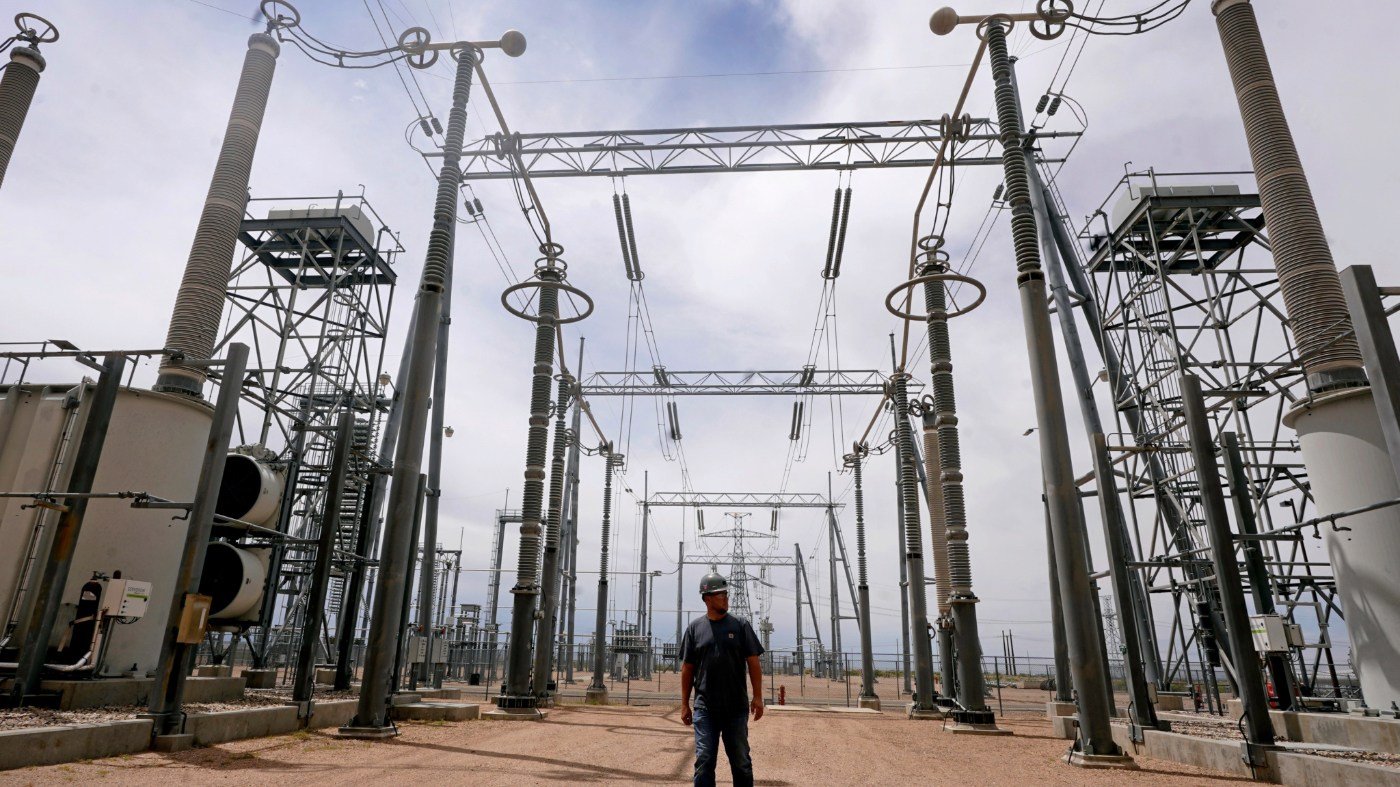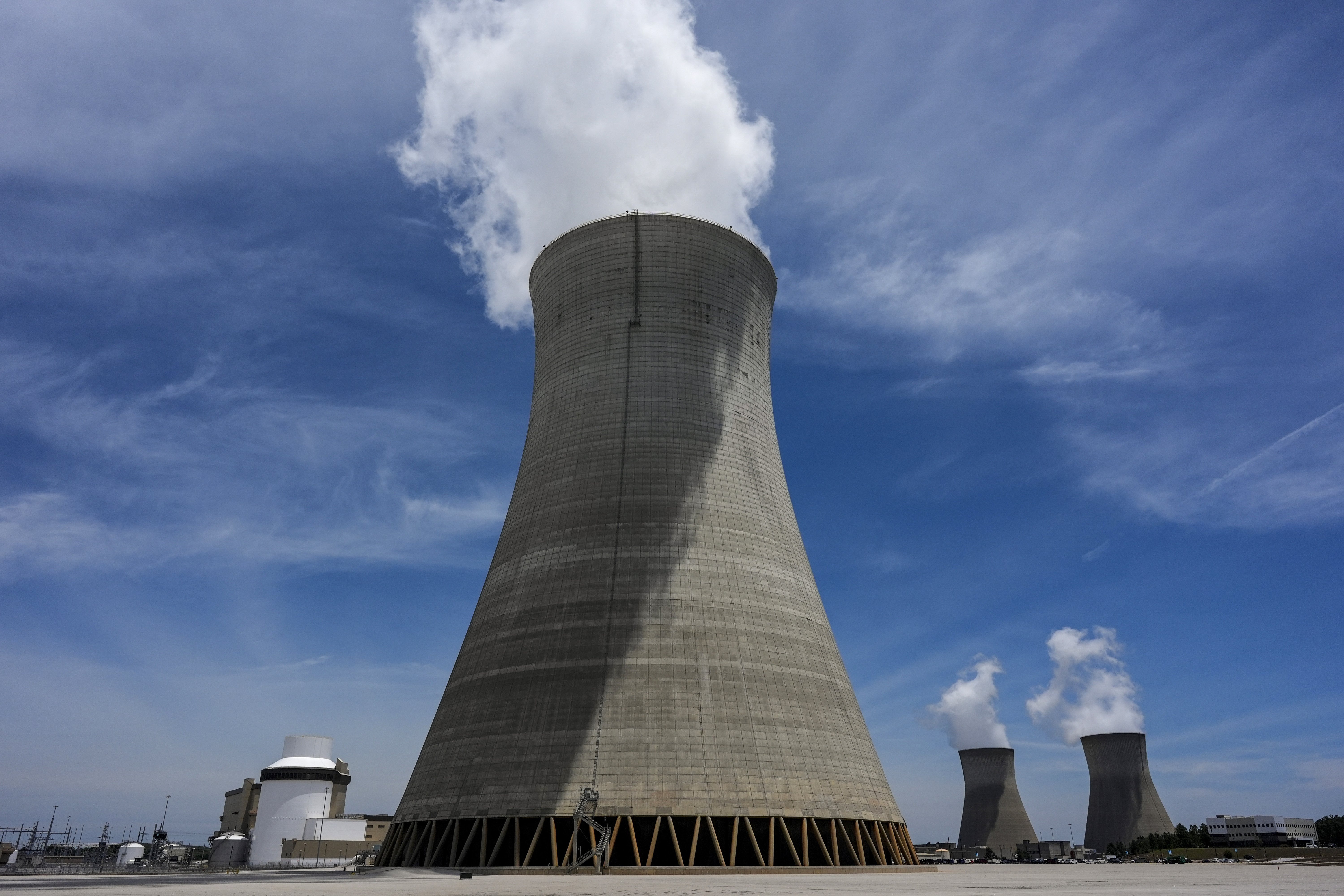
The Nuclear Regulatory Commission has approved a significant change to how the nation's nuclear power plants test their defenses against potential attacks. In a vote last week, the commission decided to end its direct leadership of mandatory security drills, instead authorizing plant operators to conduct these critical exercises themselves beginning in 2028.
From Federal Oversight to Industry Control
The exercises, known as force-on-force inspections, simulate armed assaults on nuclear facilities to evaluate security readiness and identify vulnerabilities. Under the new framework, the NRC will transition from conducting these drills to observing company-led versions. The commission stated the change "reflects the strong safety and security already in place at U.S. nuclear plants" and represents a shift toward a "training-focused approach" rather than a strict pass/fail model.

Current NRC-led drills will continue through the existing three-year inspection cycle before the new system takes effect. The commission emphasized it will maintain "independent NRC oversight" of the industry-conducted exercises, though the nature and depth of that oversight remains a point of contention.
Safety Experts Voice Strong Opposition
The decision has drawn immediate criticism from nuclear safety advocates. Edwin Lyman, director of nuclear power safety at the Union of Concerned Scientists, warned the change would fundamentally undermine inspection effectiveness. "It would essentially make those inspections of very limited value, and would not allow the NRC to really look under the hood and test the weak points of the security system," Lyman stated.
He further cautioned that "overall, there would be just a decrease in the readiness of nuclear plants to protect against terrorist attacks," highlighting concerns that industry self-assessment could lead to less rigorous testing. This regulatory shift occurs amid broader debates about nuclear command authority and national security infrastructure.
Political Context and Commission Dynamics
The five-member NRC, while technically independent, operates within a political environment. Commissioners are appointed by the president and confirmed by the Senate for five-year terms. The Trump administration has notably sought to influence the commission's direction, including last year's firing of a Democratic commissioner and an executive order aimed at expanding nuclear energy capacity.
This security drill decision follows other administration efforts to reshape nuclear policy, including denials regarding military options against Iran while pursuing domestic nuclear expansion. The commission is simultaneously considering a broader rewrite of nuclear safety regulations, suggesting a comprehensive regulatory recalibration.
Broader Security Implications
The policy change arrives during heightened attention to critical infrastructure protection. Recent security failures in other sectors, including a notable zoo breach, have amplified scrutiny of protective measures. Meanwhile, congressional struggles over homeland security funding underscore the political challenges of maintaining robust defense systems.
Energy security experts note that nuclear facilities represent particularly high-value targets, and their protection intersects with broader strategic concerns about global energy supply vulnerabilities. The shift toward industry-led security assessment will likely fuel ongoing debates about the appropriate balance between regulatory burden and verifiable safety in the nation's nuclear sector.
The 2028 implementation timeline allows for further review, but establishes a clear trajectory toward reduced direct federal involvement in testing nuclear plant defenses against potential attacks.