Republican efforts to conclude the historic shutdown of the Department of Homeland Security have collapsed under the weight of internal party divisions, a stark rift between House and Senate leadership, and the unpredictable influence of former President Donald Trump.
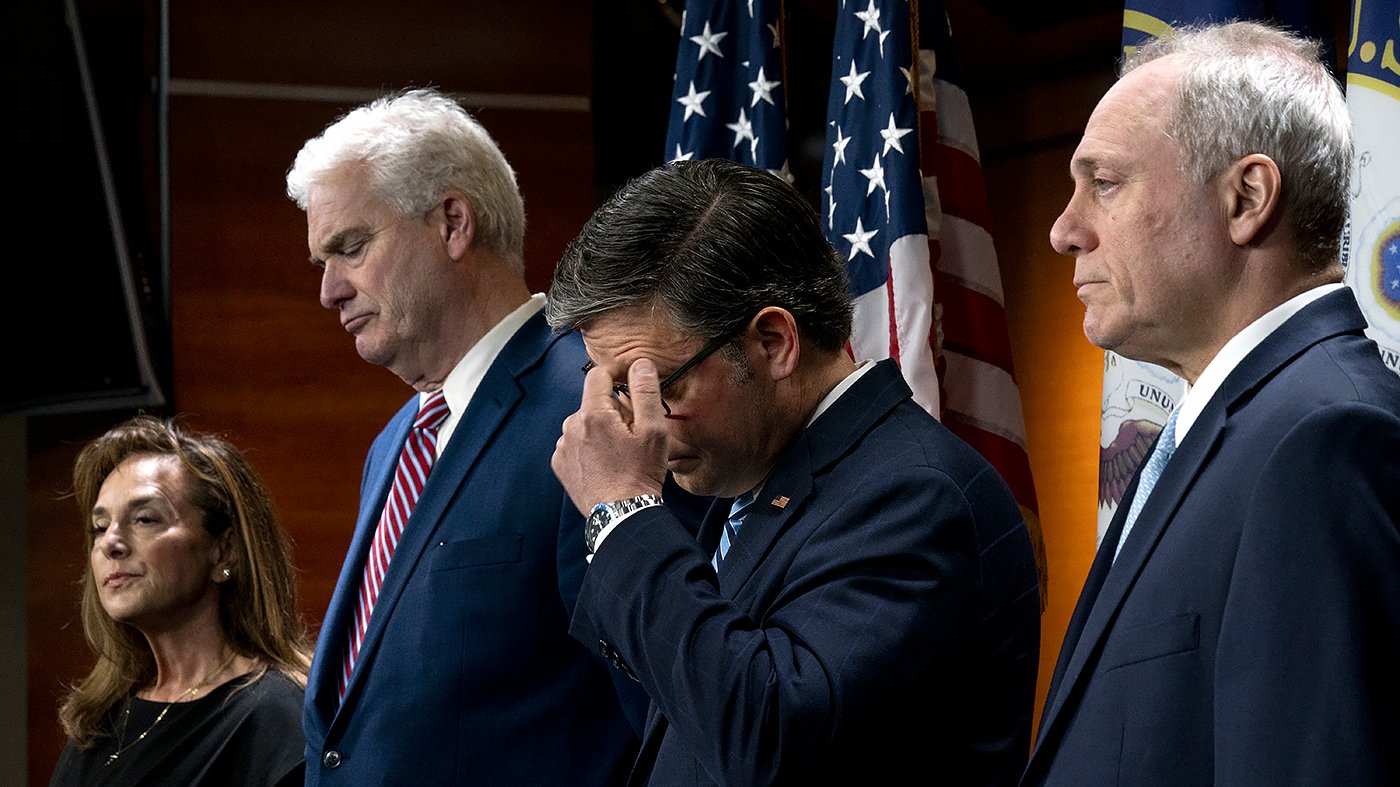
The impasse has left tens of thousands of DHS employees without pay and exposed deep strategic fractures within the GOP. House Speaker Mike Johnson (R-La.) is struggling to manage a rebellious conservative faction demanding strict immigration enforcement guarantees, while simultaneously navigating a contentious relationship with Senate Majority Leader John Thune (R-S.D.).
Chamber vs. Chamber
The core dispute centers on sequencing. The Senate, believing it had Trump's support, passed a clean DHS funding bill earlier this month, intending to address money for U.S. Immigration and Customs Enforcement (ICE) and Customs and Border Protection (CBP) separately using a fast-track reconciliation process. Thune defended the strategy, arguing it was the only viable path forward given Democratic opposition to funding the enforcement agencies without new conduct rules.
"We have the Democrats who are holding the appropriations process hostage," Thune told reporters. "Their anti-law enforcement, open borders, defund-the-police wing is the ascendant wing. And I think everybody's afraid of them."
The Senate plan was immediately rejected by House conservatives and, initially, by Speaker Johnson, who called it "a joke." Trump also publicly criticized the approach. In a rapid reversal, however, Trump later announced a deal that adopted the Senate's two-step framework, and Johnson abruptly endorsed it.
Conservative Rebellion
This reversal ignited fury among House conservatives, who voiced their anger on a conference-wide call. They distrust Senate Republicans to follow through on the enforcement funding and are leveraging their votes to demand that money for ICE and CBP be secured first—a condition that would guarantee weeks or months more of shutdown.
"There's no desire to pass the Senate open borders bill and then hope that we get a reconciliation bill that would close the border. They've got to come together," said Rep. Randy Fine (R-Fla.).
The demand places Johnson in a severe political bind. Passing the Senate bill with Democratic votes would infuriate his right flank and potentially threaten his speakership. Yet embracing the conservatives' sequencing would prolong the shutdown indefinitely, handing Democrats a potent political weapon ahead of the midterms and leaving the party open to charges of managerial incompetence.
Thune expressed clear frustration with the House deadlock, suggesting the conservative demands are unworkable. "The thing that some people want to do, we can't do," he said, alluding to the procedural and political impossibility of moving the enforcement funding first. The Senate leader's comments underscore a profound distrust between the chambers, complicating not just this funding fight but the GOP's ability to present a united front on other priorities, from energy policy to confronting international crises like the looming Trump administration deadline for Iran.
The standoff also reflects the ongoing shadow of Trump's presidency on current governance. His mixed signals have repeatedly thwarted congressional negotiations, a pattern seen in other policy areas where his endorsements or criticisms shift the political landscape, such as his intervention in the California gubernatorial race. With the party's levers of power divided and its most influential figure detached from day-to-day governing, the path to reopening DHS remains blocked by the GOP's own internal contradictions.