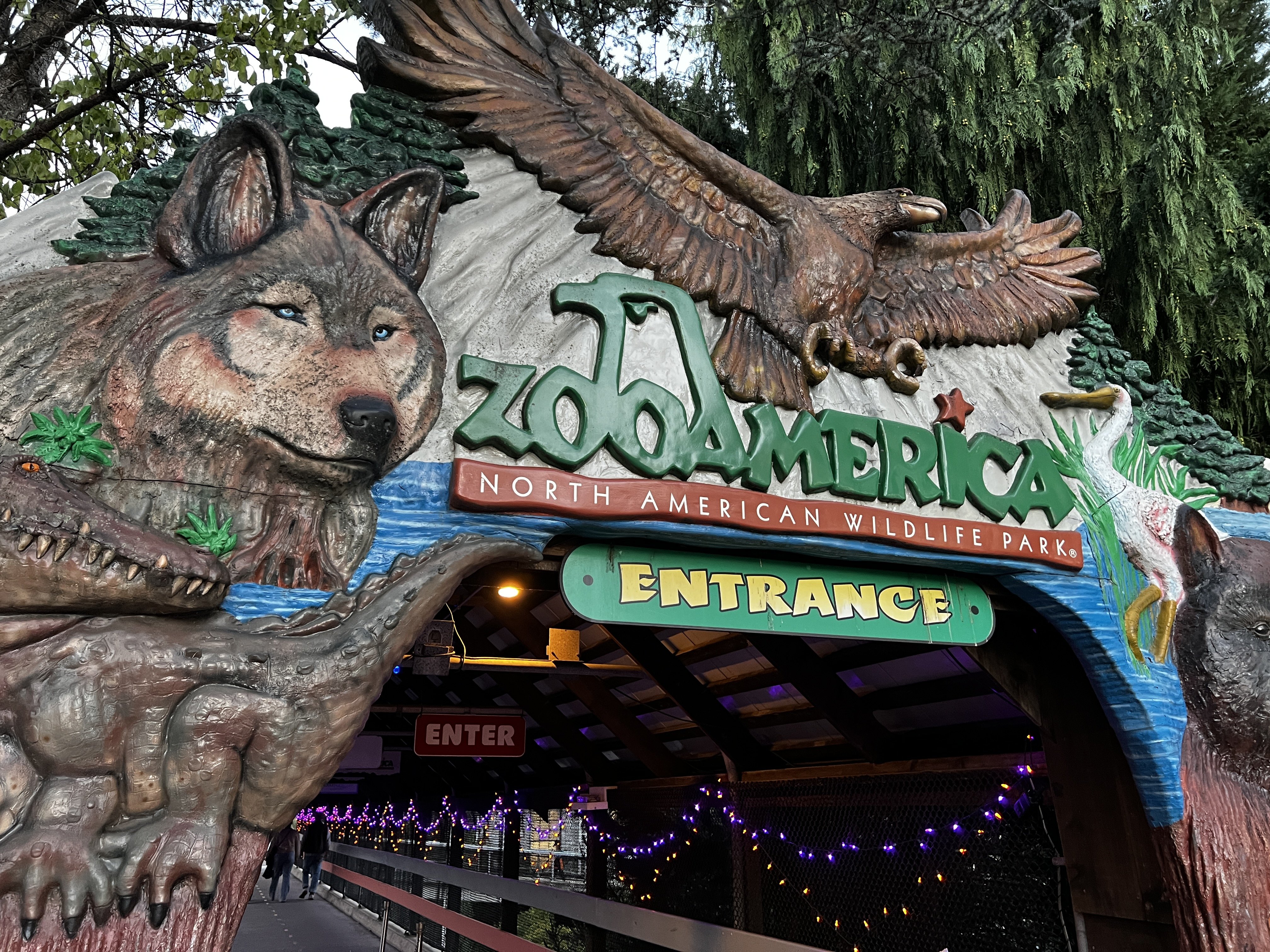
A significant security breach occurred at ZooAmerica in Hershey, Pennsylvania, over the weekend when an 18-month-old child managed to bypass perimeter fencing and approach a wolf habitat, resulting in minor injuries. The incident, which took place Saturday morning, raises immediate questions about facility safety protocols and parental supervision at family-oriented attractions.
Security Failure at Family Destination
According to a statement from Hershey Entertainment and Resorts, the child was unsupervised when he crawled beneath an exterior perimeter fence. The toddler then traveled to the primary metal enclosure surrounding the wolf habitat and inserted his hand through that secondary barrier. A wolf approached and made contact with the child's hand, causing minor injuries. Officials emphasized the child was never inside the actual animal enclosure.
The company spokesperson characterized the wolf's behavior as consistent with natural animal curiosity rather than aggression. "This type of response is consistent with natural animal behavior, and was not a sign of aggression," the statement read. The incident highlights the complex balance zoos must maintain between visitor accessibility and animal security, particularly when young children are involved.
Institutional Response and Safety Priorities
Hersheypark, which operates ZooAmerica, stated that "the safety of guests and the wellbeing of animals at the facility are our highest priorities." The declaration comes amid growing scrutiny of safety measures at public venues following various incidents nationwide. The event at ZooAmerica represents a failure in layered security—the perimeter fence should have prevented initial access, while the primary enclosure should have been impenetrable.
This incident occurs against a backdrop of increased attention to child welfare and institutional responsibility. Recent reports, such as those detailing the alleged abuse of migrant children in federal custody, have intensified public scrutiny of how institutions protect vulnerable minors. While the zoo incident differs in nature and severity, it contributes to broader conversations about duty of care.
Broader Implications for Public Venue Management
The breach at ZooAmerica underscores systemic challenges facing family entertainment and educational facilities. As venues strive to create immersive experiences, they must simultaneously implement failsafe security measures capable of accounting for unpredictable human behavior, particularly that of young children. This balancing act becomes increasingly difficult as visitor expectations evolve and regulatory environments shift.
Policy experts note that such incidents often prompt reviews of safety standards and enforcement mechanisms. The response could involve anything from enhanced fencing designs to revised supervision requirements. These discussions mirror larger policy debates about regulation and oversight in various sectors, including the recent court-ordered changes to FEMA's billion-dollar grant programs that recalibrate federal and state responsibilities.
Context of Animal-Human Interactions
Animal behavior specialists emphasize that even non-aggressive contact between wild animals and humans carries inherent risks. Zoos implement multiple barriers specifically to prevent such interactions, recognizing that both human safety and animal welfare are compromised when these boundaries fail. The incident serves as a reminder that wild animals, even in controlled environments, retain their natural instincts.
The event may also influence public perception of zoo safety at a time when family travel and entertainment spending are carefully monitored economic indicators. As families weigh destination choices, safety incidents—however minor—can significantly impact consumer confidence and institutional reputation.
Hershey Entertainment and Resorts has not indicated whether specific policy changes will result from this incident, but such events typically trigger internal reviews and potential security enhancements. The company's response will be watched closely by industry observers and safety advocates alike, particularly as summer visitation seasons approach.