A three-year-old girl detained by U.S. immigration authorities after being separated from her mother was allegedly sexually abused while in federal foster care, according to court documents and legal representatives. Her father, a legal permanent resident, discovered the allegations only after months of bureaucratic delays in securing her release, delays he attributes directly to Trump administration policy changes.
"She was so long in there," the father told The Associated Press, speaking anonymously to protect his daughter's identity. "I just think that if they would have moved faster, nothing like that would have happened."

Policy Shifts and Prolonged Detention
The case emerges from the Trump administration's implementation of stricter rules for releasing immigrant children from federal custody. These policies, which included more rigorous documentation requirements for sponsors and increased fingerprinting hurdles, led to a dramatic spike in detention times. The average length of stay for children in the care of the Office of Refugee Resettlement (ORR) ballooned from 37 days in early 2025 to nearly 200 days by February of this year, even as the total number of detained children fell by half.
This legal and procedural hardening has forced advocates to increasingly turn to the courts. "Increasingly, we have to turn to the federal courts to challenge these harmful legal violations and demand that children be released," said Lauren Fisher Flores, legal director of the American Bar Association's ProBar project and the girl's attorney.
An "Accident" Revealed as Alleged Abuse
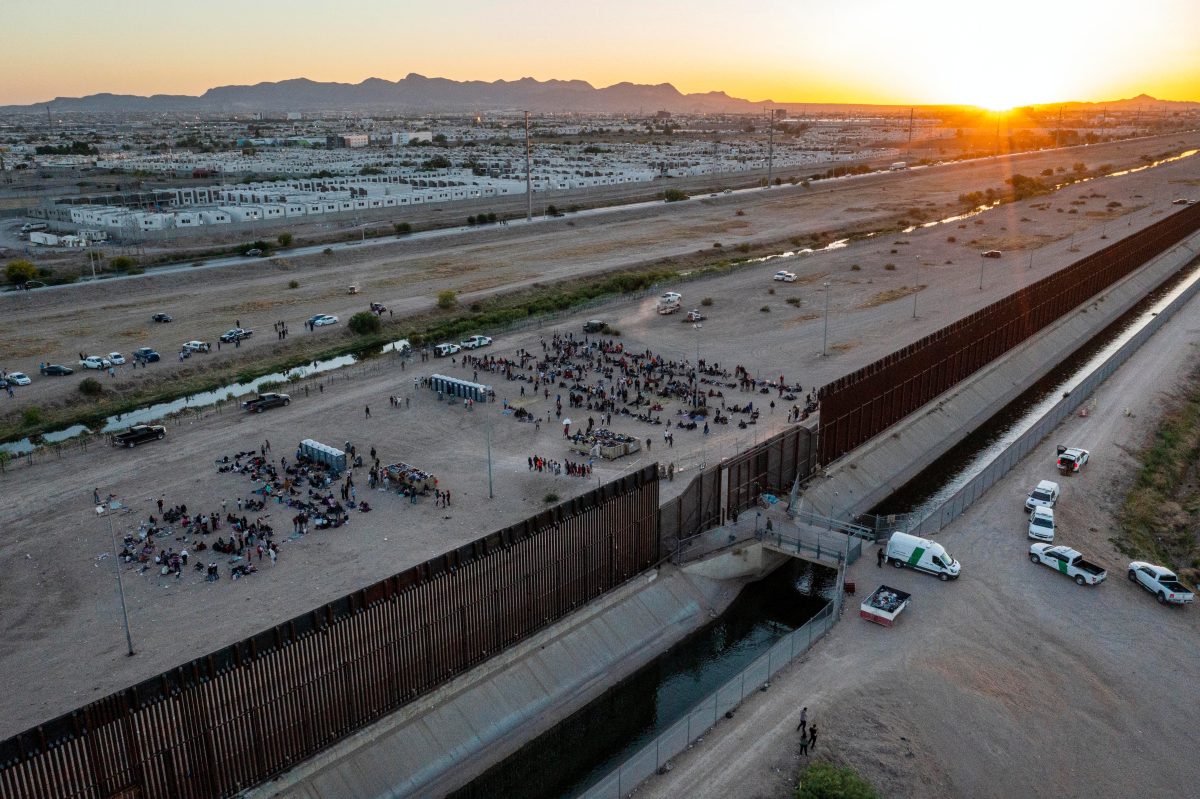
The girl and her mother crossed the border illegally near El Paso in September of last year. After her mother faced criminal charges, the child was placed in ORR custody and sent to a foster home in Harlingen, Texas. For five months, her father's attempts to sponsor her were stymied, with the government stating it could not schedule his fingerprinting appointment.
During this period, according to the lawsuit, the girl reported being sexually abused multiple times by an older child in the same foster home, incidents that allegedly caused bleeding. A caregiver noticed the toddler's underwear was on backward, prompting the disclosure. ORR officials informed the father only of an unspecified "accident" requiring a medical examination.
"I asked them, 'What happened? I want to know. I'm her father. I want to know what's going on,' and they just told me that they couldn't give me more information, that it was under investigation," the father recounted. The alleged abuse was reported to local law enforcement, and the older child was removed from the foster program. The father learned the full nature of the "accident" only when his attorneys were preparing a habeas corpus petition to force her release.
Legal Action Forces Release
After a letter from attorneys in February finally prompted action on the fingerprinting and a subsequent home visit and DNA test, ORR again stalled without providing a release timeline. The filing of the emergency habeas petition in federal court proved decisive: the girl was released to her father just two days later.
Fisher Flores noted her organization has filed eight such petitions this year for children held an average of 225 days, a legal tactic not used for child detainees prior to this administration. The administration has also moved to terminate a longstanding court agreement that sets basic standards for the protection of immigrant children in custody, a cornerstone policy known as the Flores settlement.
"To have your child abused while in the government's care, to not understand what has happened or how to protect them, to not even be told about the abuse, it is unimaginable," Fisher Flores said. "Children deserve safety and they belong with their parents." The ORR and its parent agency, the Department of Health and Human Services, are named in the lawsuit but did not respond to requests for comment.
The incident highlights the escalating tensions between federal immigration enforcement and state authorities, similar to recent moves like when Governor Sherill signed sweeping sanctuary laws banning ICE masks. It also underscores how federal court interventions are becoming a primary check on executive branch policies, a dynamic seen in other arenas such as when a federal judge halted the Pentagon's 'supply chain risk' label for an AI firm.