The United Nations issued a pointed public reminder Tuesday regarding the foundational rules of warfare, emphasizing that international humanitarian law and the Geneva Conventions apply to all conflicts. The statement, posted on the social platform X, served as a stark backdrop to escalating U.S. military threats against Iran.
"Even wars have rules," the global body declared. "The Geneva Conventions protect civilians in conflict and help ensure assistance reaches those in need, without discrimination." The reminder references four core treaties that establish protections for non-combatants, medical personnel, prisoners of war, and the wounded.
Trump's Deadline and Democratic Accusations
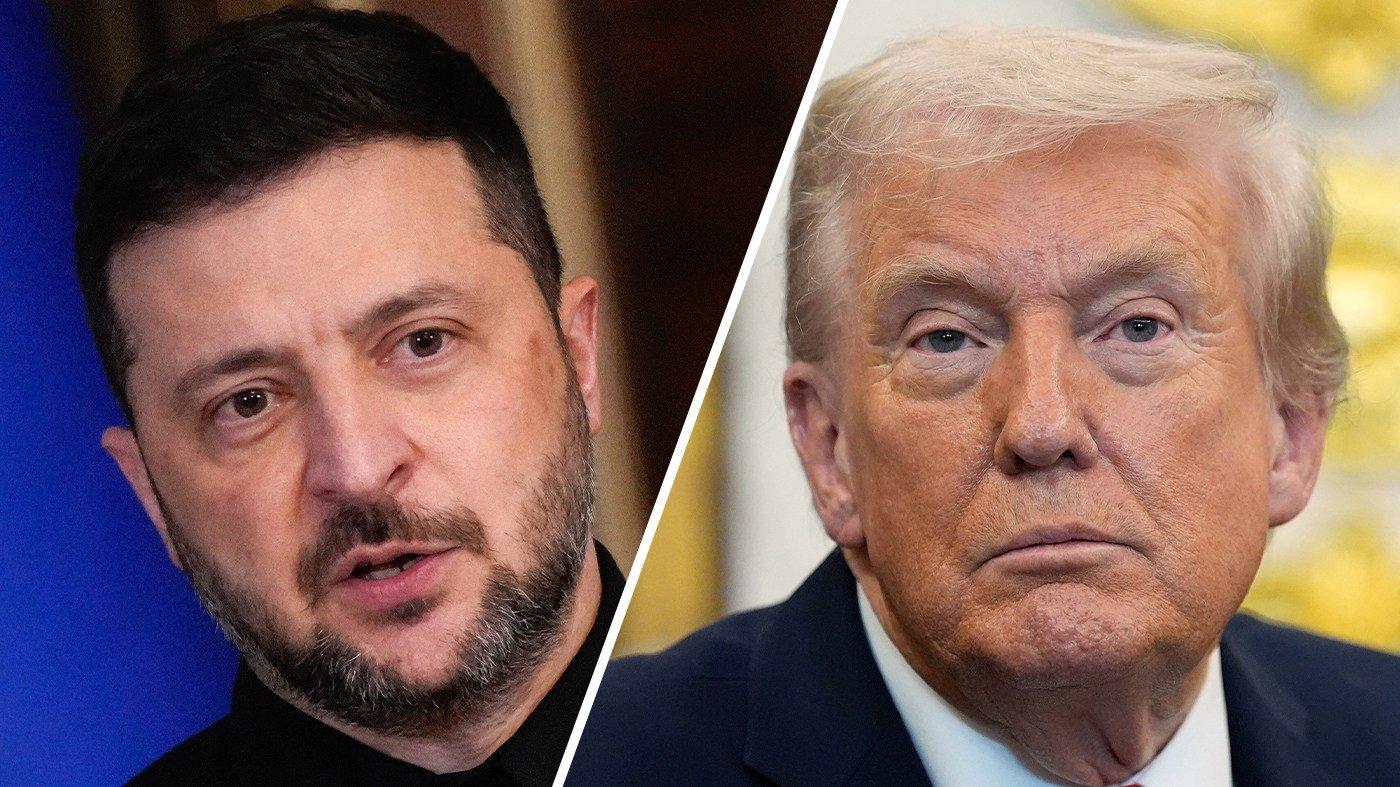
The UN's message preceded President Trump's threat Tuesday to wipe out a "whole civilization" if Iran did not reopen the strategic Strait of Hormuz by an 8 p.m. EDT deadline. The threat, and planned strikes on Iranian infrastructure like power plants and desalination sites, prompted immediate accusations of potential war crimes from congressional Democrats.
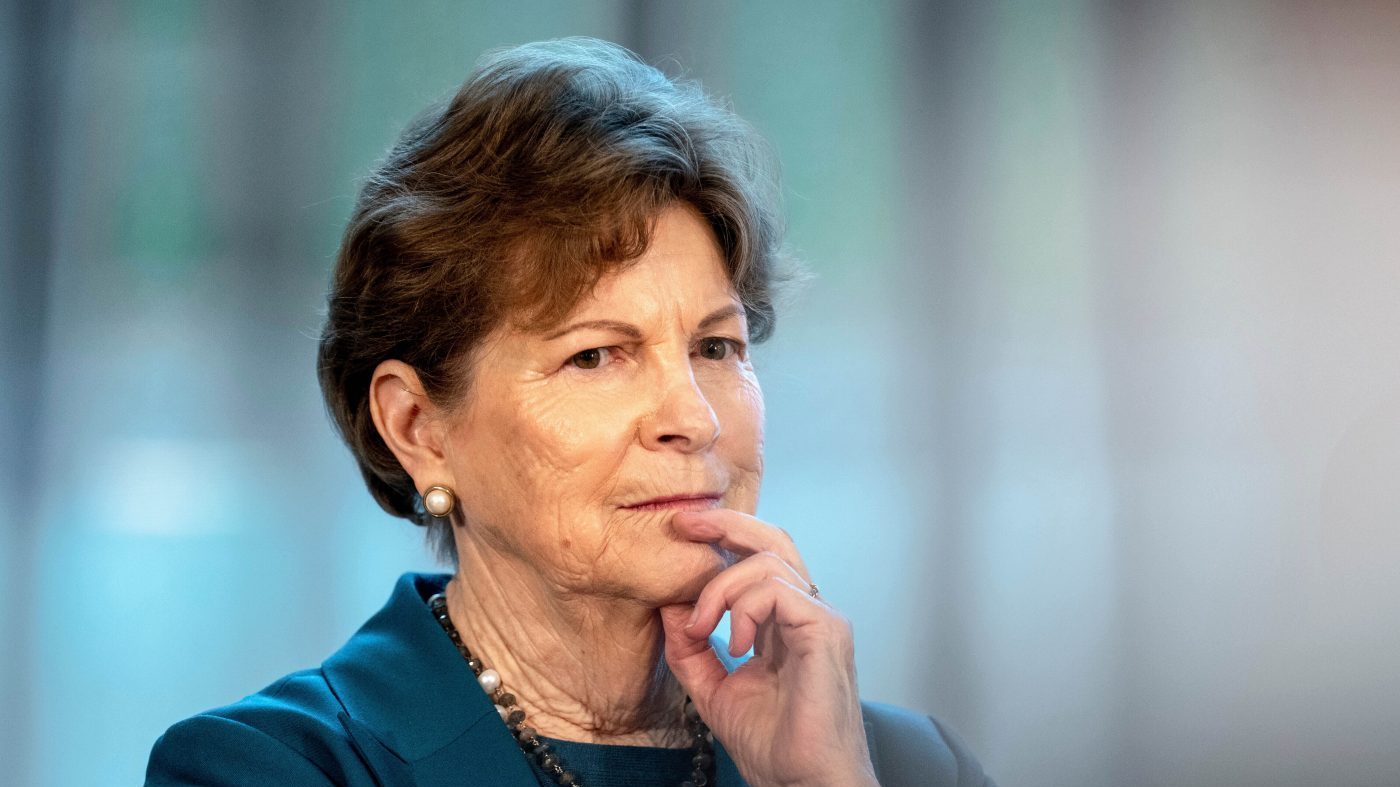
Senator Chris Murphy (D-Conn.) directly challenged Republican leadership in a social media post. "GOP leaders need to stop him. Never mind that blowing up bridges and power plants and killing innocent Iranians won’t reopen the Strait. It’s also a clear war crime," Murphy wrote.
Broader Context of Legal Scrutiny
The controversy occurs amid broader scrutiny of the administration's adherence to international law. More than 100 U.S.-based international law experts recently signed an open letter condemning American strikes on Iranian civilian sites like schools and health facilities. The letter warned that "public statements by senior officials indicate an alarming disrespect for the rules of international humanitarian law."
This criticism follows remarks in early March by Defense Secretary Pete Hegseth, who stated the U.S. does not fight with "stupid rules of engagement." The administration's posture has also impacted global logistics, as seen when United Airlines cut flights due to soaring jet fuel costs from the Middle East conflict.
President Trump has consistently dismissed questions about the legality of large-scale attacks. In a speech last year marking the UN General Assembly's 80th gathering, he lambasted the organization as irrelevant. "All they seem to do is write a really strongly worded letter and then never follow that letter up. It’s empty words, and empty words don’t solve war," Trump said.
The White House maintained an air of deliberate ambiguity hours before the deadline. Press Secretary Karoline Leavitt stated, "Only the President knows where things stand and what he will do." The administration's approach stands in contrast to other policy areas where rule-making is emphasized, such as the White House push for unified federal AI regulations.
Iran's own retaliatory measures have extended beyond the military sphere, including an official travel ban on national sports teams competing in nations it deems hostile. The UN's reminder underscores the tension between the conduct of modern warfare and the established legal frameworks designed to limit its humanitarian toll, a debate now at the center of the escalating U.S.-Iran confrontation.