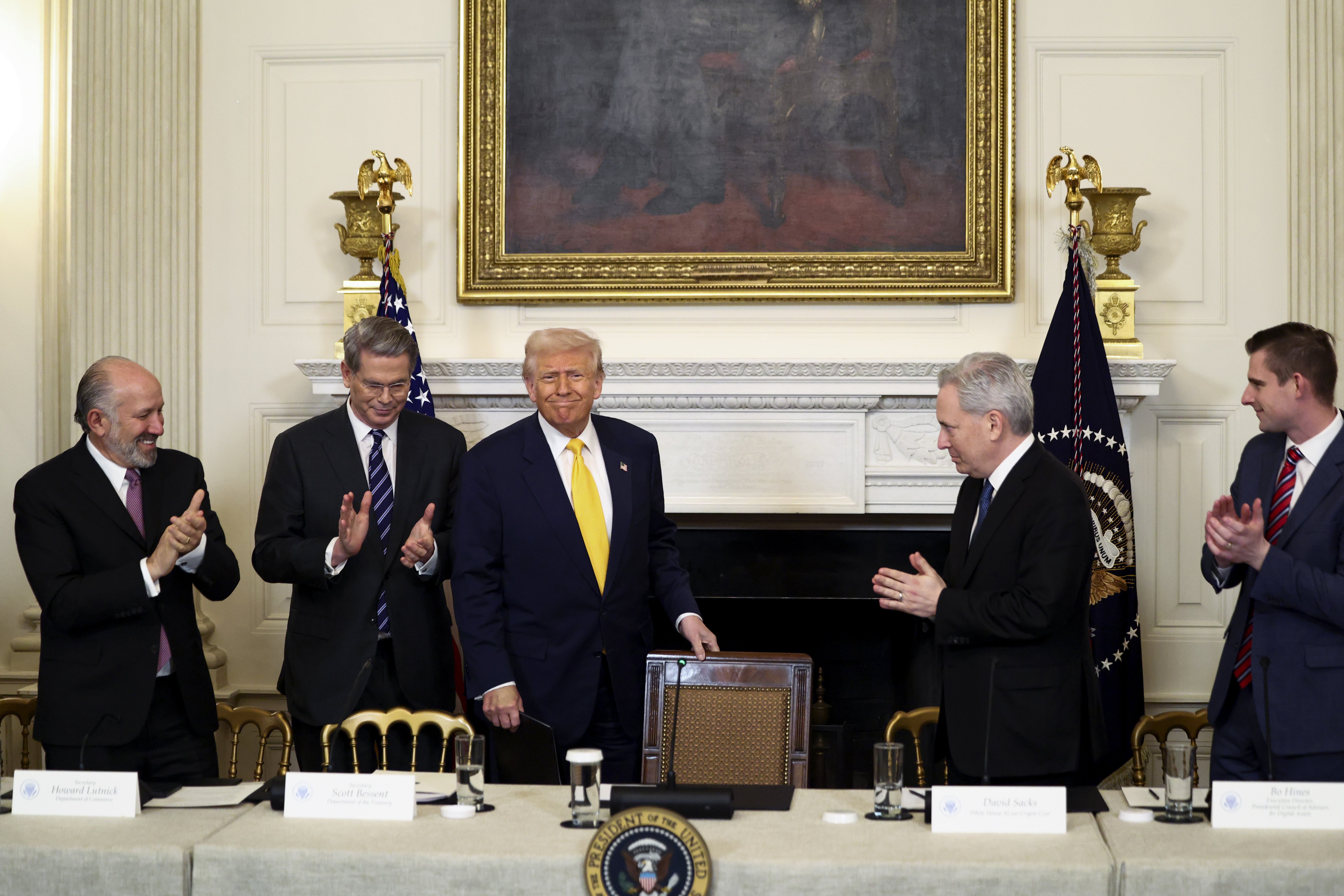
The Biden administration on Friday formally presented Congress with its legislative agenda for regulating artificial intelligence, framing the issue as one requiring immediate federal action to prevent a fragmented regulatory landscape. The administration's central argument is that its proposed framework for governing the emerging technology will fail if states are allowed to enact a conflicting patchwork of their own laws.
A Seven-Point Blueprint for Federal Action
The four-page document sent to Capitol Hill outlines seven core priorities for lawmakers. These range from establishing new protections for children's online safety and safeguarding free speech to streamlining the nation's AI research and development infrastructure. The recommendations are designed to provide a cohesive federal structure, a move that follows a December executive order from President Biden aimed at coordinating federal AI efforts and limiting regulatory duplication by states.

This push for federal supremacy in AI policy mirrors ongoing jurisdictional debates in other complex technological arenas. For instance, as regulators recently established a new framework for cryptocurrency oversight, they too have grappled with the tension between state and federal authority while congressional legislation remains stalled.
Congressional Gridlock Presents Major Hurdle
The White House's wishlist arrives at a Capitol Hill that has been notoriously deadlocked on technology regulation for years. Partisan divisions and intraparty disagreements have repeatedly stymied efforts to pass comprehensive laws governing both AI and online safety for minors, leaving a significant policy vacuum. The administration's document is an attempt to break this logjam by providing a clear, prioritized roadmap.
The political challenges of advancing such an agenda are immense, requiring navigation of deep ideological rifts. The success of any legislative package would depend on delicate negotiations, not unlike the contentious confirmation processes for key administration posts, such as when Senator Mullin was confirmed to lead the Department of Homeland Security amid a high-stakes government shutdown and intense scrutiny.
Beyond domestic policy, the administration's focus on AI infrastructure and security underscores the technology's growing role in global competition and national defense. The strategic importance of AI development places these congressional deliberations in a context that extends far beyond consumer protection, touching on core economic and security interests. This aligns with broader national security concerns that frequently dominate the Washington agenda, from international conflicts to global travel alerts issued during periods of heightened tension.
The White House framework represents the most detailed legislative ask from the administration on AI to date. By explicitly calling for federal preemption of state laws, it sets the stage for a significant political and legal debate over who should control the rules for one of the century's most transformative technologies. The coming months will test whether a chronically divided Congress can find consensus on an issue that both parties acknowledge is critical, yet have struggled to address.