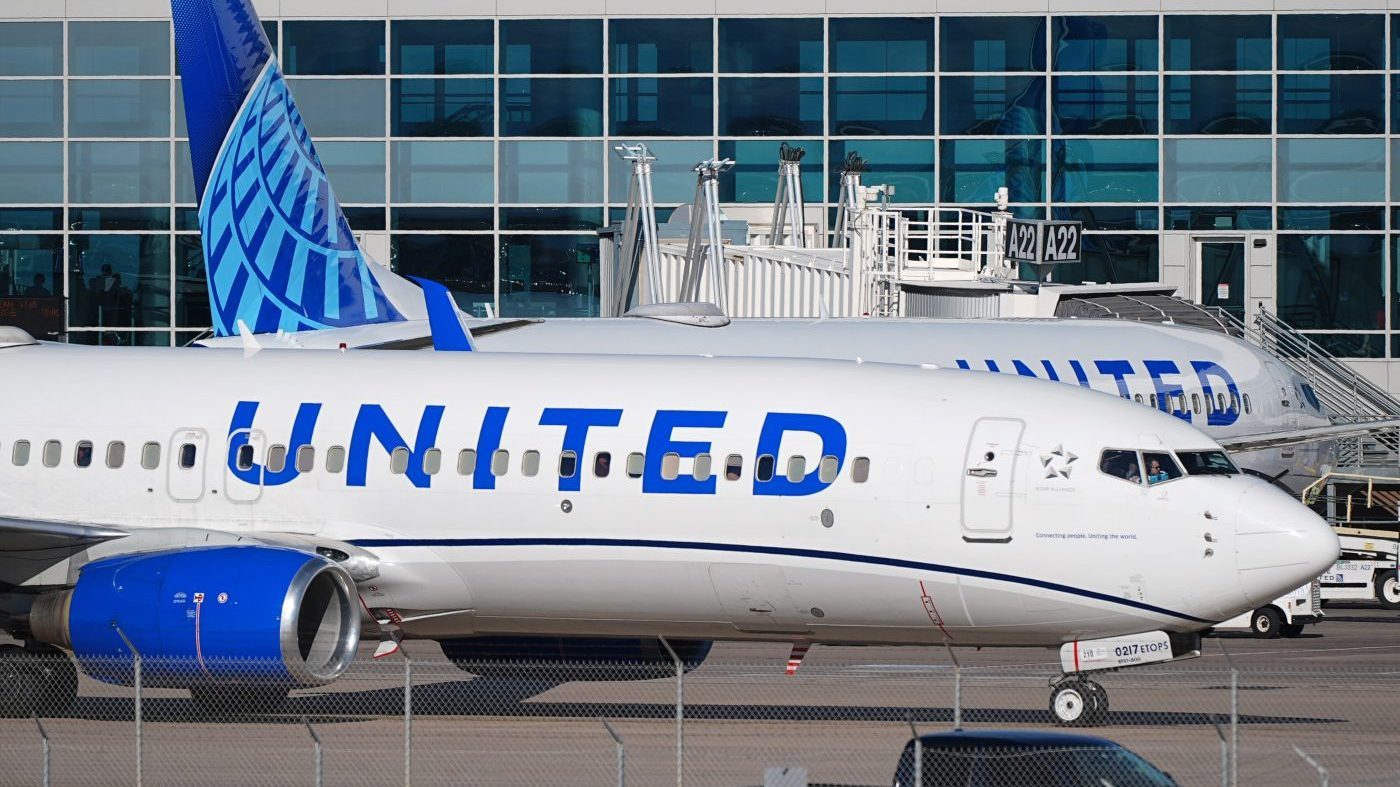
United Airlines announced significant flight reductions Friday, citing unsustainable fuel cost increases directly tied to the ongoing U.S. military campaign against Iran. The airline will cut approximately three percentage points of capacity during off-peak periods through the second and third quarters of 2026, targeting overnight and mid-week flights.
In a memo to employees, CEO Scott Kirby revealed that jet fuel prices have more than doubled in the past three weeks. "If prices stayed at this level, it would mean an extra $11 billion in annual expense just for jet fuel," Kirby stated. "For perspective, in United's best year ever, we made less than $5 billion." The company's planning assumes oil could reach $175 per barrel and remain above $100 through 2027.
Strategic Reductions and Regional Suspensions
The cuts follow Federal Aviation Administration directives that have already reduced flights at major hubs like Chicago O'Hare International Airport. Additionally, United has suspended service to Ben Gurion International Airport in Israel and Dubai International Airport in the United Arab Emirates, eliminating another one percent of capacity amid regional instability.
Kirby acknowledged strong demand, noting the past ten weeks represent the airline's "biggest booked revenue weeks in our history." However, he warned that maintaining current ticket prices while absorbing fuel costs presents a mounting challenge. "It may be a challenge to continue passing through much of the increased fuel price if oil stays higher for longer," he told staff.
Geopolitical Roots of Price Surge
The fuel crisis stems directly from Tehran's closure of the Strait of Hormuz and retaliatory strikes against Gulf states, which have triggered a global energy market shock. The Trump administration's attempts to mitigate costs, including lifting sanctions on some oil shipments, have shown limited effect. This conflict-driven price surge is testing the resilience of global supply chains.
United's operational pullback coincides with worsening security strains across the region. The U.S. military campaign is entering its fourth week with increasing operational pressure, while diplomatic channels remain fraught. The State Department has issued a worldwide travel alert advising caution amid the escalating situation.
Compounding Travel Disruptions
Air travel faces compounding pressures beyond fuel costs. The Transportation Security Administration is experiencing worsening staffing shortages due to the ongoing Department of Homeland Security shutdown, now in its 35th day after Senate Democrats rejected reopening legislation.
Acting Deputy TSA Administrator Adam Stahl warned NewsNation that temporary operational pauses at smaller airports are increasingly likely as callout rates climb. "This is going to get worse before it gets better, particularly if we don't have a resolution within the coming days and weeks," Stahl said, noting security adjustments will vary by airport.
Kirby indicated United aims to restore its full flight schedule by fall, contingent on market conditions. However, the airline executive previously cautioned that sustained high fuel costs would likely affect ticket prices and create "meaningful" financial impacts, even with robust demand.
The aviation industry's response highlights how geopolitical conflict translates directly into economic consequences for consumers and corporations. As military operations continue, the ripple effects on transportation, energy markets, and global commerce are becoming increasingly pronounced.