An unlikely political alliance is forming around a contentious provision in the House farm bill, as progressive Democratic Representative Chellie Pingree of Maine joins forces with Kelly Ryerson, a leader of the conservative-leaning Make America Healthy Again (MAHA) movement. Their shared target: proposed legislation that would shield pesticide manufacturers from liability and prevent states from imposing stricter chemical regulations than federal standards.
Common Ground on Corporate Accountability
The coalition, which bridges a typically wide partisan divide, is built on three core principles. Both argue that consumers deserve access to food free from toxic chemicals, that the public requires clear warnings about potential health risks associated with agricultural products, and that large corporations should not receive legal immunity when their products cause harm. "This isn't about left versus right," a source close to the alliance noted. "It's about whether giant chemical companies get to write their own rules."
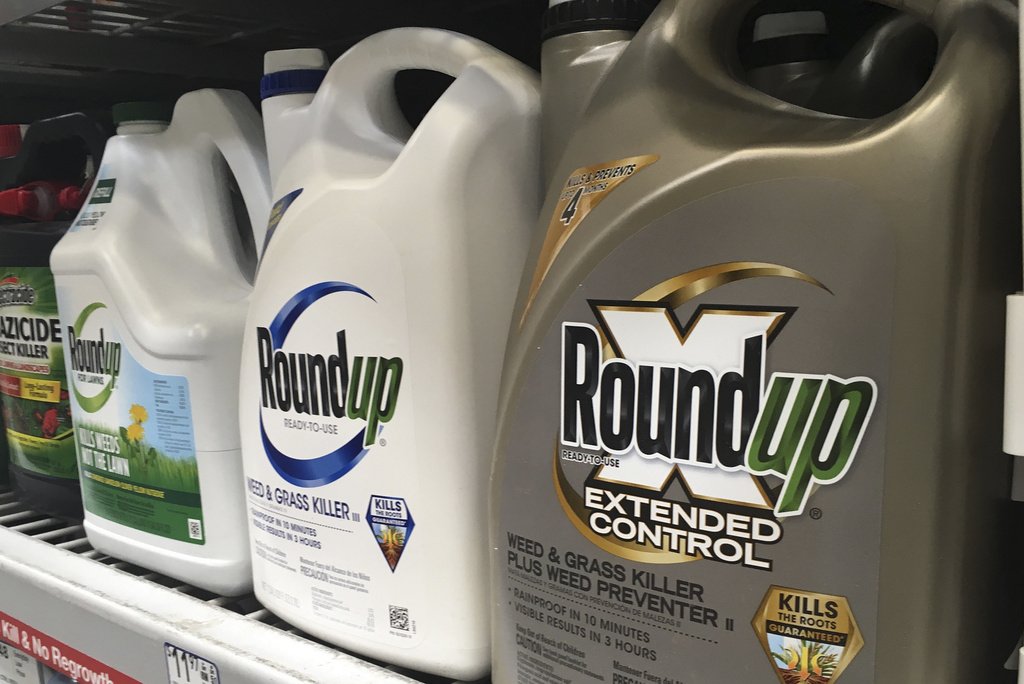
The fight has gained urgency following Bayer's massive settlement payouts related to its glyphosate-based herbicide Roundup. The company has paid approximately $10 billion to resolve existing litigation and recently proposed an additional settlement of up to $7.25 billion for future claims. Advocates point to these figures as evidence that health concerns surrounding the chemical are substantial, not hypothetical.
Farm Bill Flashpoint
The immediate battleground is the House farm bill, which includes industry-backed language with significant legal ramifications. The provisions would establish federal preemption over state pesticide regulations, removing the authority of states and localities to set stricter rules or mandate consumer warnings. Crucially, it would also create a liability shield protecting chemical manufacturers from certain lawsuits when their products allegedly cause illness.
During the House Agriculture Committee markup, Pingree introduced an amendment to strip this language from the bill. The amendment received near-unanimous Democratic support but failed to attract a single Republican vote. The full House is now moving toward a floor vote on the broader legislation, setting up a major showdown. Maine is among seven states with local pesticide ordinances that would be nullified by the federal preemption clause.
Supreme Court Showdown Looms
A parallel legal front will open at the Supreme Court on April 27, when the justices hear arguments in Monsanto v. Durnell. The case will determine whether individuals harmed by pesticide exposure can continue to bring state-law failure-to-warn claims against manufacturers. Pingree and Ryerson plan to be outside the court that morning for a "People vs. Poison" rally, alongside advocates from across the political spectrum.
The plaintiffs in these cases are not abstract statistics. They include a school groundskeeper and a homeowner diagnosed with non-Hodgkin's lymphoma after years of Roundup use, a California couple with similar diagnoses, and a child in France born with severe congenital disorders allegedly linked to exposure. "These are people whose lives were upended while one of the world's most powerful chemical companies insisted everything was fine," Ryerson stated.
Broader Political Reckoning
The alliance signals a deeper political shift, suggesting that concerns about toxins in food, water, and the environment resonate powerfully across traditional partisan lines. The MAHA movement, often associated with Robert F. Kennedy Jr. and voters who supported former President Donald Trump, has amplified these anxieties. The White House's recent strong support for Bayer and an executive order backing glyphosate production sparked intense backlash within the MAHA base, viewed by many as a betrayal.
This cross-ideological cooperation emerges amid other foreign policy tensions, such as when Senator JD Vance labeled the U.S.-Iran ceasefire 'fragile' and warned Tehran against operating in bad faith. It also contrasts with the intense partisan reactions to former President Trump's threats against Iranian civilian infrastructure, which drew condemnation from Democrats and some Republicans over potential war crime implications.
Critics of the current regulatory system highlight that the Environmental Protection Agency's safety reviews for pesticides occur only every 15 years. The last comprehensive risk assessment for glyphosate was completed in 1993. "Relying on decades-old science is not a serious approach to protecting public health in 2026," Pingree argued, noting that understanding of toxic exposures continues to evolve.
While the MAHA movement and congressional Democrats disagree on many issues, they share a deep skepticism of regulatory systems they view as overly influenced by corporate interests and reliant on industry-submitted data. "Farmers and families are paying the price for that broken system," Pingree concluded. "Not Big Chemical." The coalition is urging Congress to reject the farm bill language, the Supreme Court to keep courthouse doors open, and the public to join their rally later this month.