The Justice Department has secured the first criminal conviction under the Take It Down Act, landmark legislation designed to combat the proliferation of nonconsensual sexually explicit deepfakes. The milestone follows a guilty plea from a Columbus, Ohio man on charges of cyberstalking and transmitting threats involving both real and AI-generated explicit imagery.
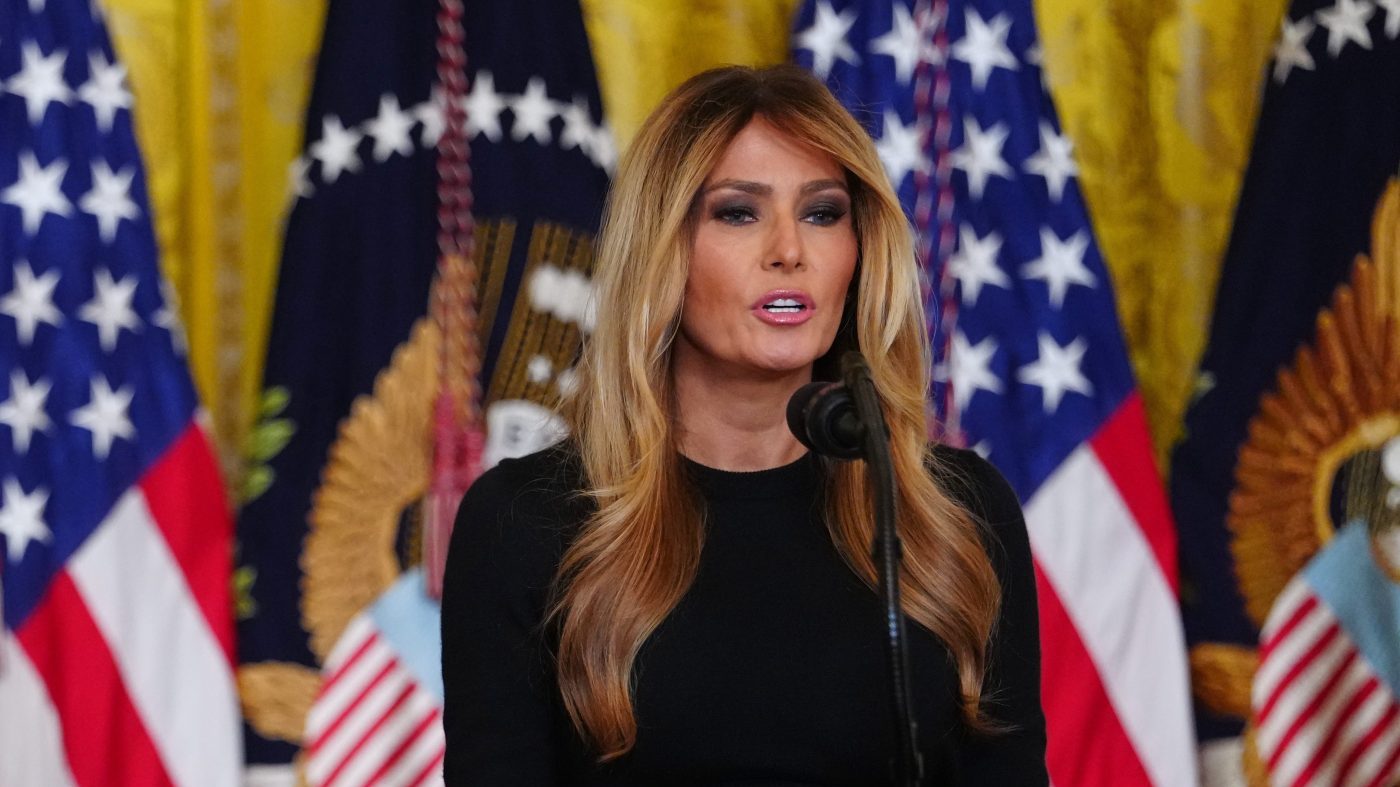
First Lady Melania Trump, a vocal proponent of the legislation, publicly commended federal prosecutors for the enforcement action. In a statement posted on social media, she framed the conviction as a critical step in "protecting Americans from cybercrimes in this new digital age" and thanked U.S. Attorney Dominick S. Gerace II for his role in the case.

A Landmark Case for Digital Harassment Law
The defendant, 37-year-old James Strahler, pleaded guilty to a campaign of harassment targeting at least six adult women. According to court documents, Strahler utilized more than two dozen AI platforms and over one hundred web-based models installed on a mobile device to create and distribute nude images of his victims without their consent. His methods included texts, phone calls, and online posts designed to intimidate.
"We will not tolerate the abhorrent practice of posting and publicizing AI-generated intimate images of real individuals without consent," stated U.S. Attorney Gerace in a Department of Justice release. "We are committed to using every tool at our disposal to hold accountable offenders like Strahler, who seek to intimidate and harass others by creating and circulating this disturbing content."
Prosecutors detailed that Strahler's criminal activity extended beyond targeting adults. He also generated and posted hundreds of obscene AI-generated images of children, superimposing the faces of minor boys from his local community onto explicit content. This material was disseminated on a website dedicated to child sexual abuse material.
The Take It Down Act in Action
The conviction arrives just under a year after President Donald Trump signed the Take It Down Act into law. The statute criminalizes the online publication of nonconsensual sexually explicit deepfake images and videos. A key provision mandates that websites must remove such content within 48 hours of receiving a takedown notice from a victim.
The First Lady championed the bill as a cornerstone of her broader initiative focused on youth well-being and online safety. Her advocacy positioned the legislation as a necessary federal response to rapidly evolving technological threats, a policy area that has seen intense political scrutiny even as the administration pursues other contentious foreign policy moves, such as its recent ceasefire announcement with Iran.
Legal experts view this first conviction as a significant test of the law's enforcement mechanisms. It signals the Justice Department's intent to apply the statute aggressively, setting a precedent for future cases involving AI-facilitated harassment and extortion. The case underscores the complex intersection of technology, privacy, and criminal law that legislators are increasingly forced to address.
The successful prosecution demonstrates the tangible application of a policy that was, until now, an untested legislative framework. As the administration continues to navigate a crowded policy agenda, including managing fragile international agreements and addressing defense readiness concerns, this domestic legal milestone provides a concrete example of a Trump-era policy being implemented on the ground. Strahler now awaits sentencing, facing potentially severe penalties for his crimes.