Justice Department Intervenes in Congressional Epstein Probe
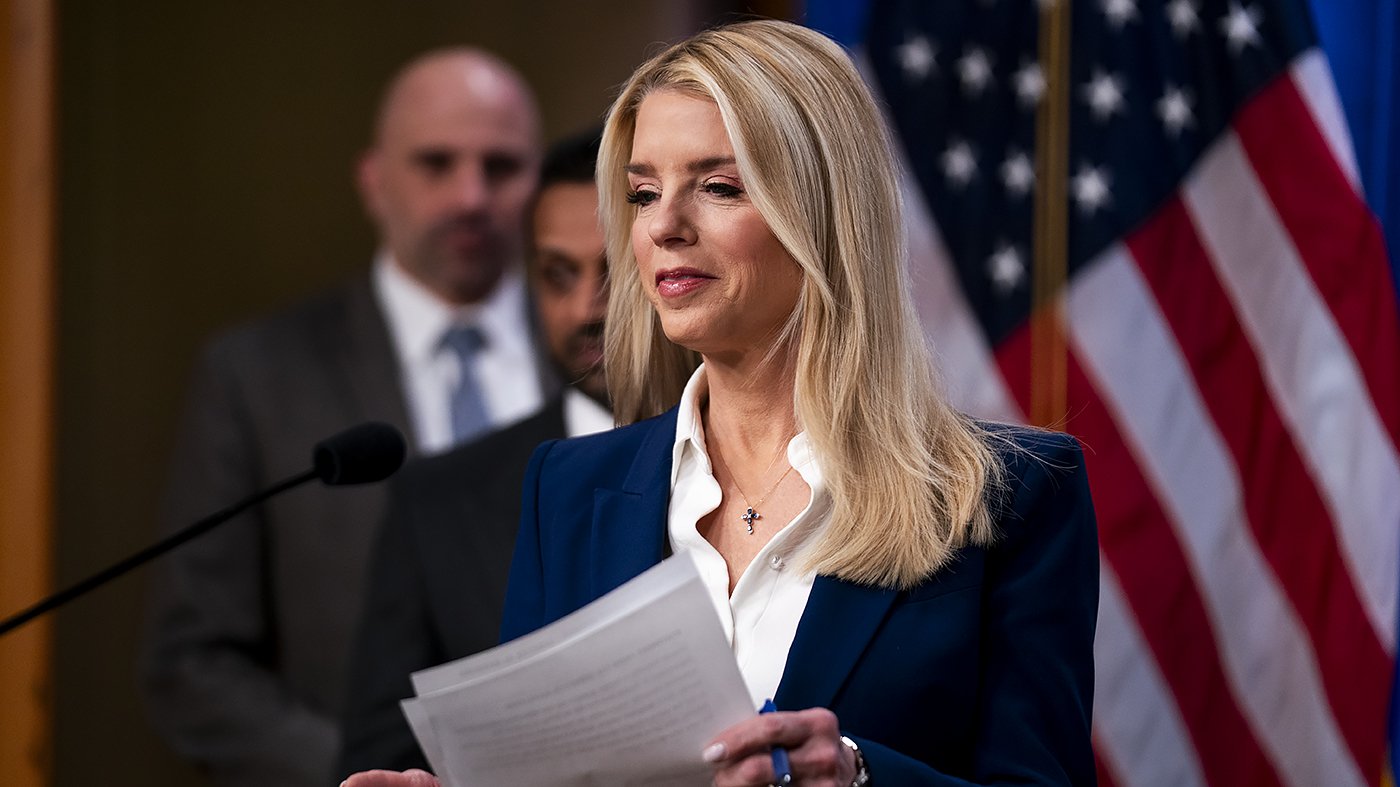
The House Oversight Committee's investigation into the Jeffrey Epstein files has hit a significant roadblock, with the Department of Justice informing Republican leadership that former Attorney General Pam Bondi will not comply with a congressional subpoena. According to a committee statement, the DOJ contends Bondi is shielded from testifying because she was subpoenaed in her former official capacity and no longer serves as Attorney General.
The deposition, scheduled for April 14, was intended to examine Bondi's knowledge and actions related to the Epstein case during her tenure. A spokeswoman for the committee confirmed the development, stating, "The Department of Justice has stated Pam Bondi will not appear on April 14 for a deposition since she is no longer Attorney General and was subpoenaed in that capacity." The committee indicated it would now contact Bondi's personal counsel to discuss alternative arrangements, suggesting the legal battle may simply be shifting venues.
Democratic Pushback and Legal Arguments
Committee Democrats immediately challenged the DOJ's rationale, arguing the subpoena was issued to Bondi personally, by name, just as it was for other former attorneys general called to testify. This distinction between a personal versus official capacity subpoena forms the core of the emerging constitutional clash between congressional oversight authority and executive branch prerogatives.
The Justice Department has not publicly commented on its intervention, leaving unclear whether this represents a formal legal opinion or an administrative position. The move follows Bondi's abrupt dismissal from the Justice Department, which itself raised questions about the Trump administration's handling of sensitive investigations. That dismissal occurred amid broader demands from former President Trump for a more aggressive approach at the department, though the direct connection to the Epstein probe remains unspecified.
Broader Context of Congressional Scrutiny
This deposition refusal occurs as the House Oversight Committee intensifies its examination of how various institutions and officials interacted with Epstein and his network. The committee has been methodically calling witnesses who might shed light on potential failures in investigation or prosecution across multiple administrations.
The standoff over Bondi's testimony echoes other high-profile confrontations between Congress and the executive branch, where claims of executive privilege or immunity have delayed or prevented testimony. It also comes as the committee prepares for other significant depositions, including that of Bill Gates, who is scheduled to testify regarding his own connections to the Epstein network.
The Epstein investigation has become a focal point for bipartisan, though often contentious, oversight activity. The files in question contain thousands of documents, including flight logs, financial records, and communications that committee members believe could reveal the extent of Epstein's influence operations and identify individuals who may have enabled his activities.
Political Implications and Next Steps
The DOJ's intervention raises immediate questions about the separation of powers and Congress's ability to compel testimony from former executive branch officials. Legal experts anticipate this could lead to litigation if the committee chooses to enforce its subpoena through contempt proceedings or other legal mechanisms.
This development also occurs against a backdrop of intense political scrutiny of the Justice Department's independence and decision-making processes. The department's handling of the Epstein case has been criticized across the political spectrum, with allegations that powerful individuals received preferential treatment or that investigations were improperly constrained.
As the committee regroups, its options include negotiating a voluntary appearance, issuing a new subpoena clarifying Bondi's personal obligation to testify, or pursuing contempt citations. The outcome will likely influence how Congress approaches similar testimony from other former officials involved in sensitive matters, setting precedents for future oversight investigations into matters ranging from national security decisions to allegations of misconduct within federal agencies.
The situation remains fluid, with committee staff indicating they are assessing their next moves while continuing with other aspects of the Epstein investigation. The standoff represents another chapter in the ongoing tension between congressional oversight and executive branch resistance that has characterized investigations into some of the most controversial matters in recent political history.