Unprecedented Data Transfer Alleged
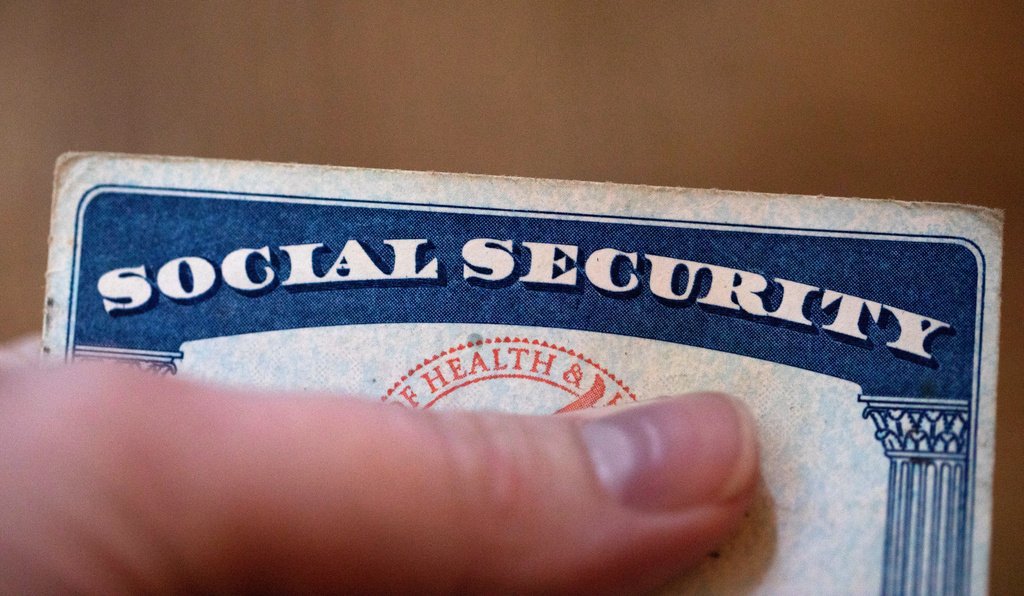
Multiple ongoing federal investigations and whistleblower complaints allege the Trump administration orchestrated the transfer of sensitive Social Security Administration data covering approximately 500 million Americans, both living and deceased, to Elon Musk's Department of Government Efficiency (DOGE). This action, described by former agency officials as potentially the largest data breach in history, represents a fundamental violation of the agency's core mission to safeguard personal information for benefit administration only.
Systematic Breakdown of Protections
For decades, the Social Security Administration maintained what officials called an "unblemished" record on data security, with privacy protections established as its first formal regulation. This changed abruptly following President Trump's inauguration. According to documents and complaints, when acting Commissioner Michelle King, a career civil servant, refused to authorize broad data sharing, she was removed. Trump then appointed a mid-level employee who was reportedly already under administrative leave for allegedly providing SSA data to DOGE.

The alleged data transfer enabled several alarming actions. Whistleblowers claim DOGE operatives copied entire SSA databases to unsecured cloud servers, exposing information to potential hackers and foreign adversaries. They also signed agreements to share data with political advocacy groups and stored sensitive databases on personal thumb drives for removal. This pattern of unconventional personnel decisions fits a broader administration approach to governance.
A Treasure Trove for Exploitation
The compromised data represents a comprehensive profile of the American populace. It includes Social Security numbers, addresses, birthplaces, citizenship status, family members' information, and, for disability applicants, detailed medical histories. "This is data that scammers could easily use to fool people into stealing their benefits," noted one expert. Charles Borges, former SSA chief data officer and a key whistleblower, stated grimly, "There could be one or a million copies of it, and we will never know now."
Beyond financial fraud, employees have raised alarms about data being shared with the Department of Homeland Security to target immigrants. The scale is staggering: stealing one person's Social Security data is a federal felony. The alleged theft of data for 500 million individuals constitutes a breach of historic proportions.
Institutional Enablement
According to the allegations, DOGE did not act in isolation. The conservative majority on the Supreme Court played a role by issuing a preliminary injunction that restored DOGE's access to SSA data after a lower court had blocked it. Congressional Republicans also face criticism for refusing to support Democratic-led investigations into the matter, creating what critics call a vacuum of accountability. This lack of oversight mirrors other controversies, such as when the National Trust rejected the administration's national security claims in a separate dispute.
The political ramifications are immediate. If Democrats gain control of Congress in the upcoming elections, they would possess subpoena power to compel testimony from current and former administration officials. This could initiate a formal process to determine the full extent of the breach and identify all entities that may have obtained the data.
Broader Implications for Data Security
The incident raises profound questions about the security of citizen data across the federal government. The SSA breach suggests that other repositories of sensitive information could be vulnerable to similar political manipulation. The alleged carelessness with which the data was handled—on unsecured servers and portable drives—indicates a systemic failure of protocols that had been meticulously built over generations.
This breach occurs against a backdrop of other administration actions that have tested institutional norms, from foreign policy pronouncements on NATO to confrontations with the media. The security of Americans' most personal information now joins a list of issues awaiting potential resolution through the electoral process and subsequent congressional action.