White House Seeks to Prevent Regional Spillover
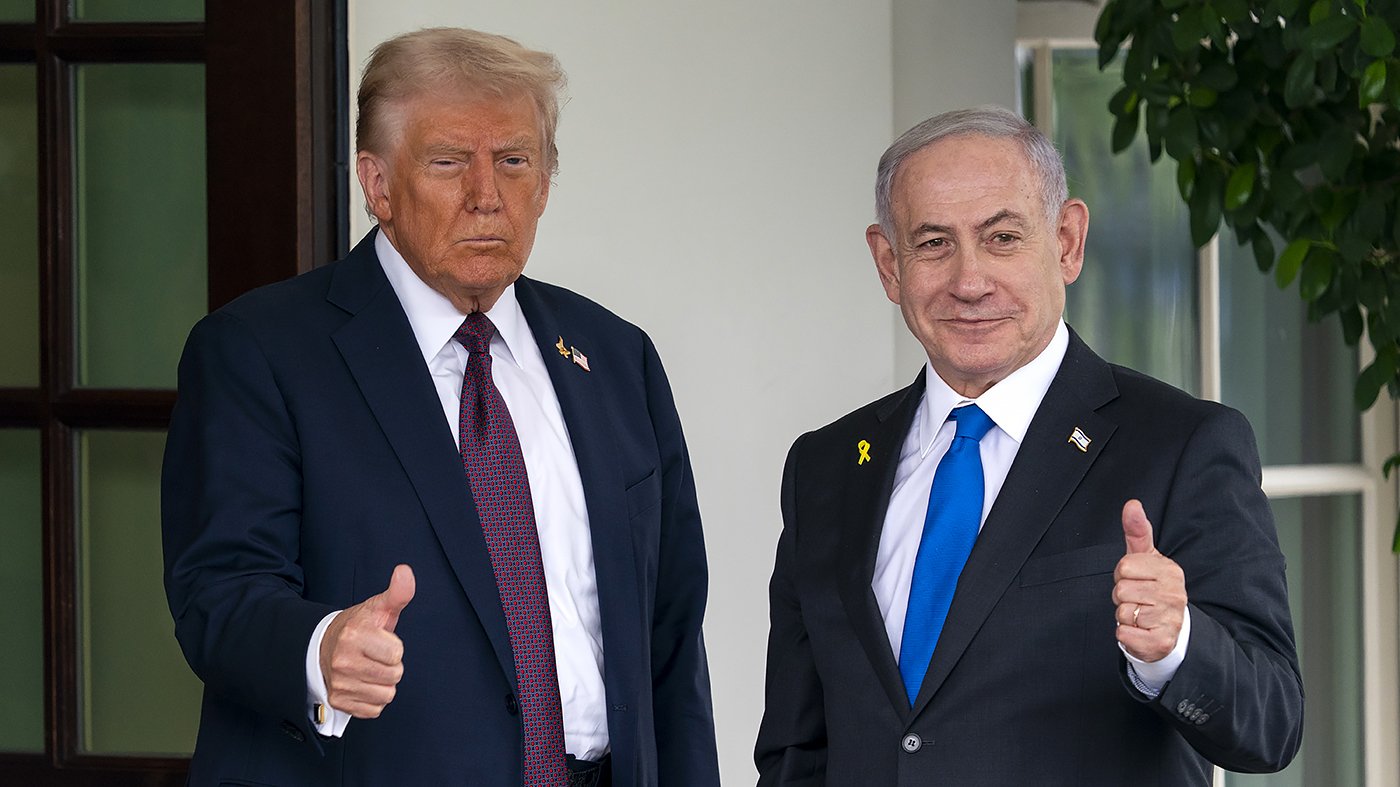
President Donald Trump confirmed on Thursday that he directly urged Israeli Prime Minister Benjamin Netanyahu to reduce the intensity of Israel's military campaign in Lebanon. The intervention comes as the White House fears the Israeli operation could unravel a newly established and precarious two-week ceasefire between the United States and Iran, which Tehran insists includes a halt to hostilities between Israel and Hezbollah.
The situation escalated dramatically on Wednesday when the Israeli military launched its most intense barrage since the conflict with Iran began earlier this year, striking approximately 100 targets across Lebanon within a ten-minute period. This prompted an immediate response from Iran, which closed the strategic Strait of Hormuz, a critical global oil transit route. The move underscored how quickly violence in Lebanon could trigger a wider regional confrontation.
A Disputed Ceasefire Scope
A central point of contention is whether the US-Iran ceasefire agreement encompasses Lebanon. Iran and Pakistan, which has emerged as a key mediator in the talks, have publicly stated that the truce includes a cessation of fighting between Israel and Hezbollah. However, both Trump and Netanyahu have explicitly rejected this interpretation, asserting that Lebanon was never part of the temporary arrangement. This fundamental disagreement over the deal's scope has created significant diplomatic friction.
"I spoke with Bibi and he's going to low-key it. I just think we have to be sort of a little more low-key," Trump stated, using colloquial language to describe his request for de-escalation. He reiterated this point in a phone interview with Israeli journalist Neria Kraus, saying, "Netanyahu is going to be fine. He's going to low-key a little bit. He's got a problem with Hezbollah. He's going to low-key a little bit, but he's going to be absolutely fine."
Vice President J.D. Vance echoed the President's stance while traveling from Hungary, characterizing Iran's belief about Lebanon's inclusion as "a legitimate misunderstanding." Vance suggested Israel's willingness to moderate its campaign was a gesture to support US diplomatic efforts. "Israel offered to check themselves a little bit in Lebanon, because they want to make sure that our negotiation is successful," Vance told reporters. "That's not because that is part of the ceasefire. I think that's just the Israelis trying to set us up for success."
Mounting Human Cost and Diplomatic Fallout
The Israeli offensive, which began on March 2 following joint US-Israeli airstrikes against Iran, has exacted a heavy toll. Heba Morayef, Amnesty International's regional director for the Middle East and North Africa, stated that Wednesday marked the deadliest day in Lebanon since Israel resumed strikes last month. The rising civilian casualties have spurred international condemnation, including from European allies. For instance, Spain has formally demanded the EU impose sanctions on Israel, citing violations of international law.
In a concurrent diplomatic move, Lebanon has filed a formal complaint with the United Nations over the strikes, arguing they directly threaten the US-Iran truce. This adds to the mounting pressure on the Netanyahu government, which is also facing domestic political challenges.
Amid the pressure, Netanyahu announced a potential diplomatic opening. In a post on the social platform X, he stated he had directed his government "to open direct negotiations with Lebanon as soon as possible," with talks focused on disarming Hezbollah and establishing peaceful relations. This aligns with a longer-term Israeli security objective but faces profound skepticism given the current level of violence.
The episode highlights the fragile nature of the US-brokered ceasefire with Iran and the complex balancing act the Trump administration faces. It must manage a critical ally in Netanyahu, who is determined to degrade Hezbollah, while preventing actions that could cause a collapse of the wider truce and a dangerous escalation with Tehran. The President's public call for Israel to "low-key" its campaign is a clear signal that Washington views regional stability as the immediate priority, even as it backs Israel's right to self-defense.