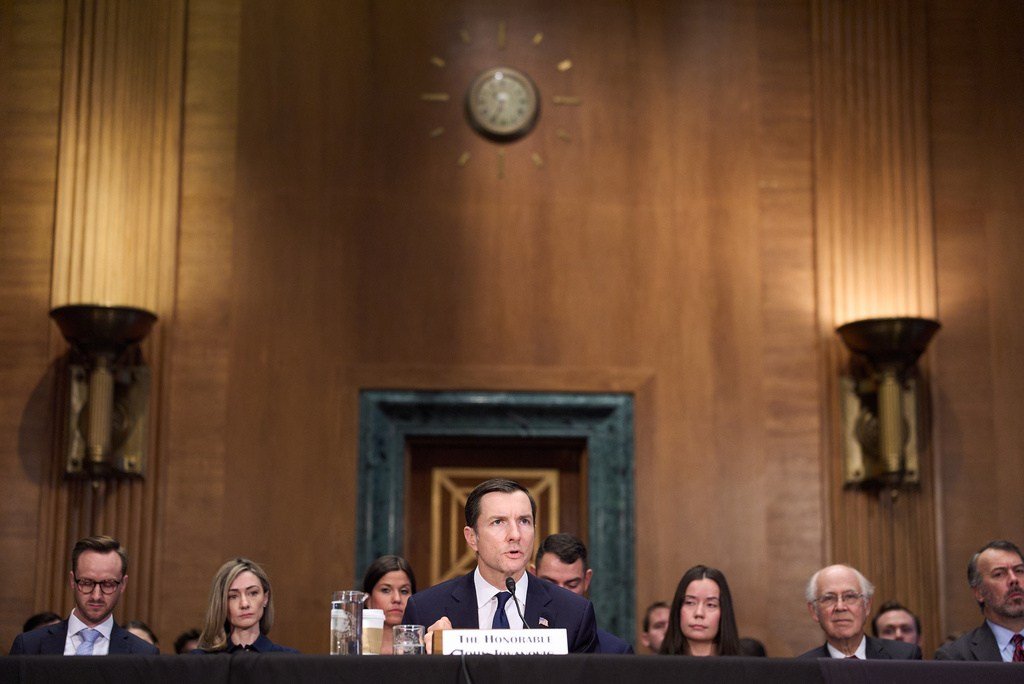
In a decision with far-reaching implications for state regulatory power, the Supreme Court has fundamentally altered the legal landscape governing occupational licensing. The 8-1 ruling in Chiles v. Salazar, while centered on Colorado's conversion therapy ban, establishes a new First Amendment standard that threatens dozens of professional licensing statutes across the country.
Shifting from Deference to Scrutiny
For decades, courts applied a deferential rational-basis review to professional licensing schemes, treating regulated speech as unprotected "conduct." This precedent allowed states to create exclusive scope-of-practice laws that made it illegal to offer certain paid advice without government licensure, regardless of actual consumer harm. Justice Neil Gorsuch's majority opinion dismantles this framework, declaring that states cannot evade First Amendment protections simply by labeling speech as treatment or therapy.

The ruling now requires states to satisfy strict scrutiny—the highest constitutional standard—when licensing laws primarily restrict what professionals may say to willing adult clients. This represents a seismic shift in constitutional law that could unravel licensing regimes in fields where regulation focuses on verbal advice rather than hands-on procedures.
Professions in the Crosshairs
Nutrition and dietetics licensing emerges as particularly vulnerable under the new standard. Many state laws in this field are recent creations, developed over the last several decades through intensive lobbying by professional associations. Illinois, for instance, classifies creating individualized meal plans for paying clients without a dietetics license as a Class 4 felony—a restriction now facing constitutional doubt.
"The professions with the most exposure share three things," the analysis notes. "Their licensing laws restrict purely verbal and paid advice, the clients are willing adults and the historical tradition supporting the restriction is thin." Under Chiles, courts must identify genuine historical pedigree for content-based speech restrictions, a requirement that recent legislative history cannot satisfy.
Justice Ketanji Brown Jackson's solitary dissent presents the traditional regulatory argument forcefully, maintaining that states have legitimate interests in protecting consumers from harmful advice and that courts should defer to legislative judgments on public health matters. However, the majority explicitly rejects this framework, focusing instead on whether specific speech restrictions have historical precedent rather than whether the regulated advice might be beneficial or harmful.
Immediate Legal Consequences
The Institute for Justice, a libertarian public interest law firm, had three cert petitions pending before the Supreme Court that were held awaiting the Chiles decision. These cases are expected to advance rapidly, potentially creating a wave of challenges to state licensing laws. The ruling also calls into question previous decisions like the 11th Circuit's 2020 upholding of Florida's dietetics licensing law, which relied on the now-rejected "conduct" rationale.
Not all licensing statutes will necessarily fall. Laws tied to genuine clinical interventions—such as nutrition therapy for diagnosed medical conditions under physician supervision—may survive as having stronger safety rationales and better historical analogies. The most vulnerable regulations are those that restrict ordinary paid conversations between consenting adults primarily to limit market competition.
This constitutional shift occurs alongside other significant debates about constitutional interpretation at the nation's highest court, including recent signals about birthright citizenship. Meanwhile, in Congress, legislative attention remains divided, with lawmakers returning to confront multiple pressing issues including war powers and constitutional procedures.
Strategic Implications
Professional associations that championed restrictive scope-of-practice laws now face a narrowed legal environment. Organizations recognizing this shift early enough to proactively narrow their statutes may avoid costly litigation, while those waiting for challenges to emerge risk seeing their regulatory frameworks dismantled by courts.
The decision represents more than a legal technicality—it signals a judicial reexamination of the balance between consumer protection and economic liberty. As state legislatures prepare to respond, the ruling may accelerate trends toward occupational licensing reform that have been building across the political spectrum for years, fundamentally reshaping how states regulate professional advice and services.