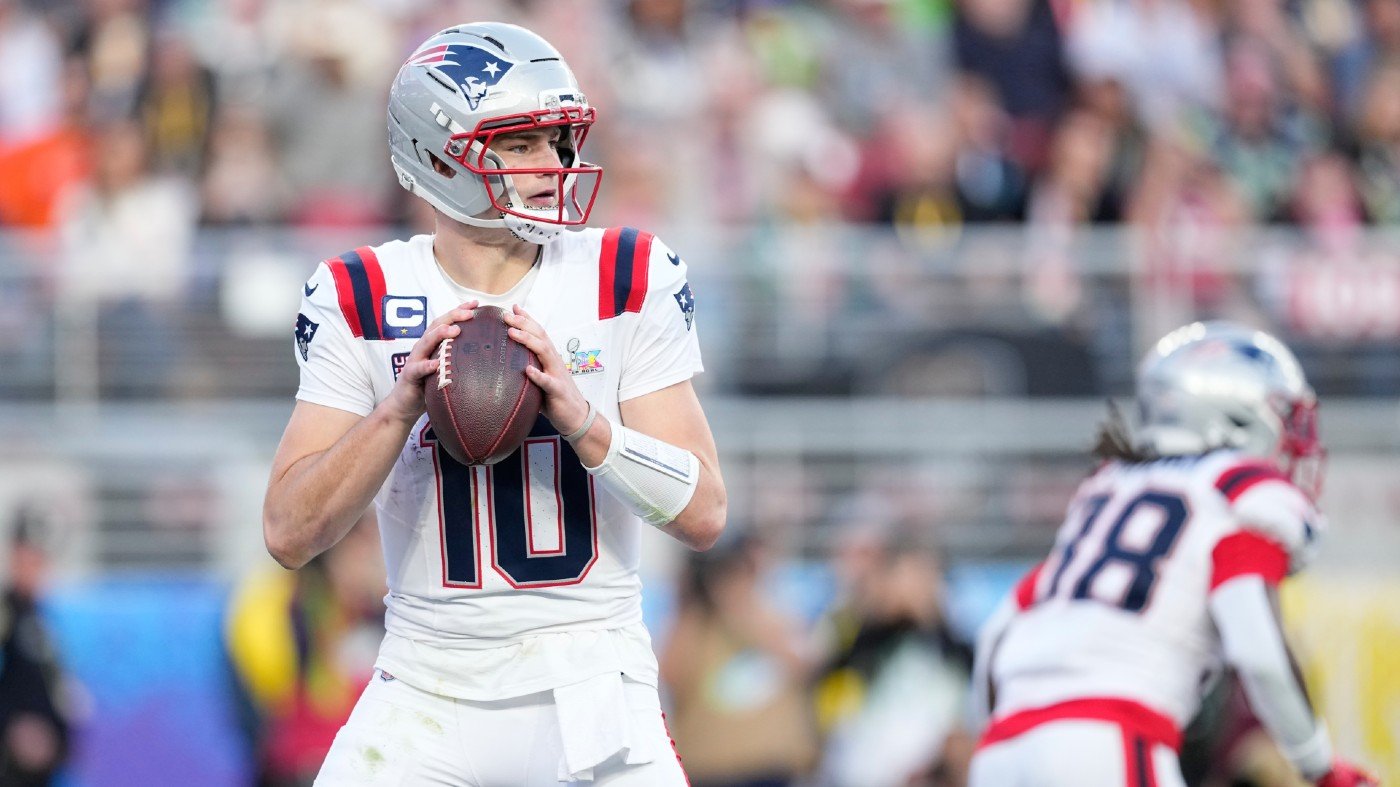
The Department of Justice has initiated a formal antitrust investigation into the National Football League's negotiations and agreements with media companies for broadcasting rights, according to a report from The Wall Street Journal. The probe, launched under the Trump administration's Justice Department, centers on whether the league's collective bargaining and distribution strategies constitute anticompetitive behavior that ultimately drives up costs for viewers.
Sources familiar with the matter indicate the investigation will scrutinize the structure of the NFL's media deals, which have historically bundled rights across multiple networks and platforms. This move by federal regulators signals heightened scrutiny of major sports leagues' economic power, particularly as consumer frustration mounts over the fragmented and expensive landscape for watching live games.

Rising Consumer Costs Trigger Regulatory Scrutiny
The investigation emerges against a backdrop of escalating prices for sports programming. During the most recent NFL season, fans reportedly needed to subscribe to more than half a dozen different streaming and cable services at a combined cost exceeding $1,000 to access every game. This fragmentation and expense have drawn complaints from consumers and attention from lawmakers, creating political pressure for regulatory action.
This federal probe is not occurring in isolation. Earlier this year, the Federal Communications Commission solicited public comment on the viewer experience for live sports, specifically hinting at potential reforms to local blackout rules. Many policy analysts interpreted that step as a preliminary move toward reexamining the Sports Broadcasting Act of 1961, the decades-old statute that provides professional sports leagues with limited antitrust exemptions for certain broadcast negotiations.
A Shifting Media Landscape and Billion-Dollar Stakes
The NFL's current media rights contracts, valued at over $100 billion, are set to expire at the end of this decade. The league's popularity has been supercharged in recent years by the expansion of legalized sports betting and daily fantasy sports, making its broadcast rights among the most valuable properties in entertainment.
Simultaneously, the entry of major technology firms like Amazon and Netflix into live sports broadcasting has accelerated the decline of traditional cable bundles. While this shift offers new distribution avenues, it has also contributed to what many describe as a confusing and costly patchwork for consumers trying to follow their favorite teams. The Justice Department's investigation will likely assess whether the NFL's dealmaking has unfairly restricted competition in this evolving market.
Representatives for both the Justice Department and the NFL declined to comment on the reported investigation. The probe adds to a slate of high-profile antitrust and regulatory actions undertaken by the current administration, which has taken an aggressive stance on competition issues across various sectors. This focus on the mechanics of power and market control is evident in other recent actions, such as when the DOJ intervened to block a congressional deposition in a separate high-profile inquiry, showcasing its willingness to assert its legal authority.
The outcome of this investigation could have significant implications for the business model of professional sports. A finding of anticompetitive behavior could force changes to how the league negotiates its media packages, potentially altering a revenue stream that forms the financial bedrock of the NFL. It also places the league at the center of a broader political and policy debate about consolidation, consumer choice, and the power of large institutions in the digital age—a debate that extends far beyond sports into areas like global energy markets and production agreements.