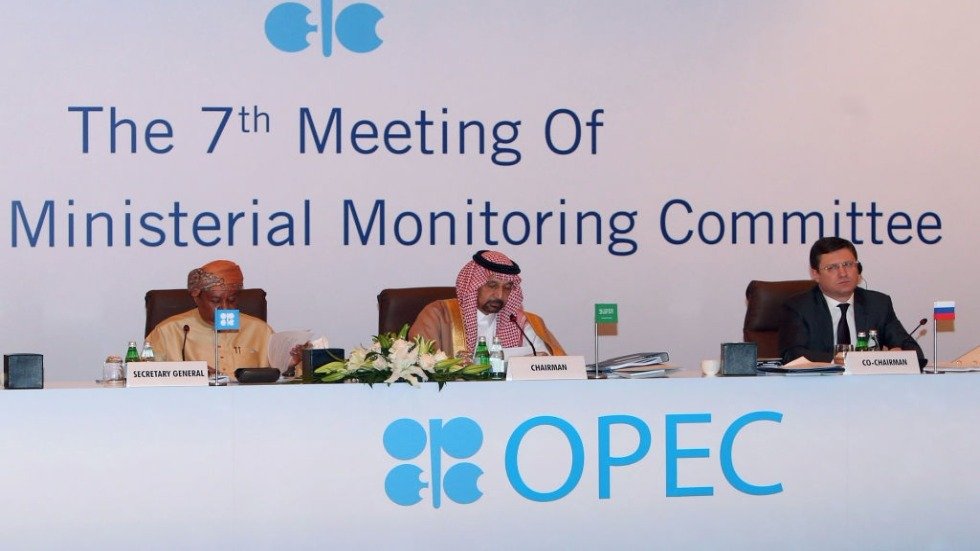
Key members of the OPEC+ alliance, led by Saudi Arabia and Russia, convened on Sunday and reached a conditional agreement to increase global oil supplies. The coalition stated it would implement a production hike of 206,000 barrels per day beginning in May, but only on the condition that the strategic Strait of Hormuz is reopened for commercial traffic.
The eight nations participating in this voluntary quota increase are Saudi Arabia, Russia, Iraq, the United Arab Emirates, Kuwait, Kazakhstan, Algeria, and Oman. This planned increment builds upon a previous voluntary production boost of 1.65 million barrels per day that was agreed upon in April 2023.
The move is a direct response to market instability, as international crude oil prices surged by 2 percent over the recent holiday weekend. According to the U.S. Energy Information Administration, gasoline prices and broader energy costs have continued their upward trajectory, exacerbated by the ongoing conflict that has blocked the critical waterway.
Trump's Ultimatum and Allied Criticism
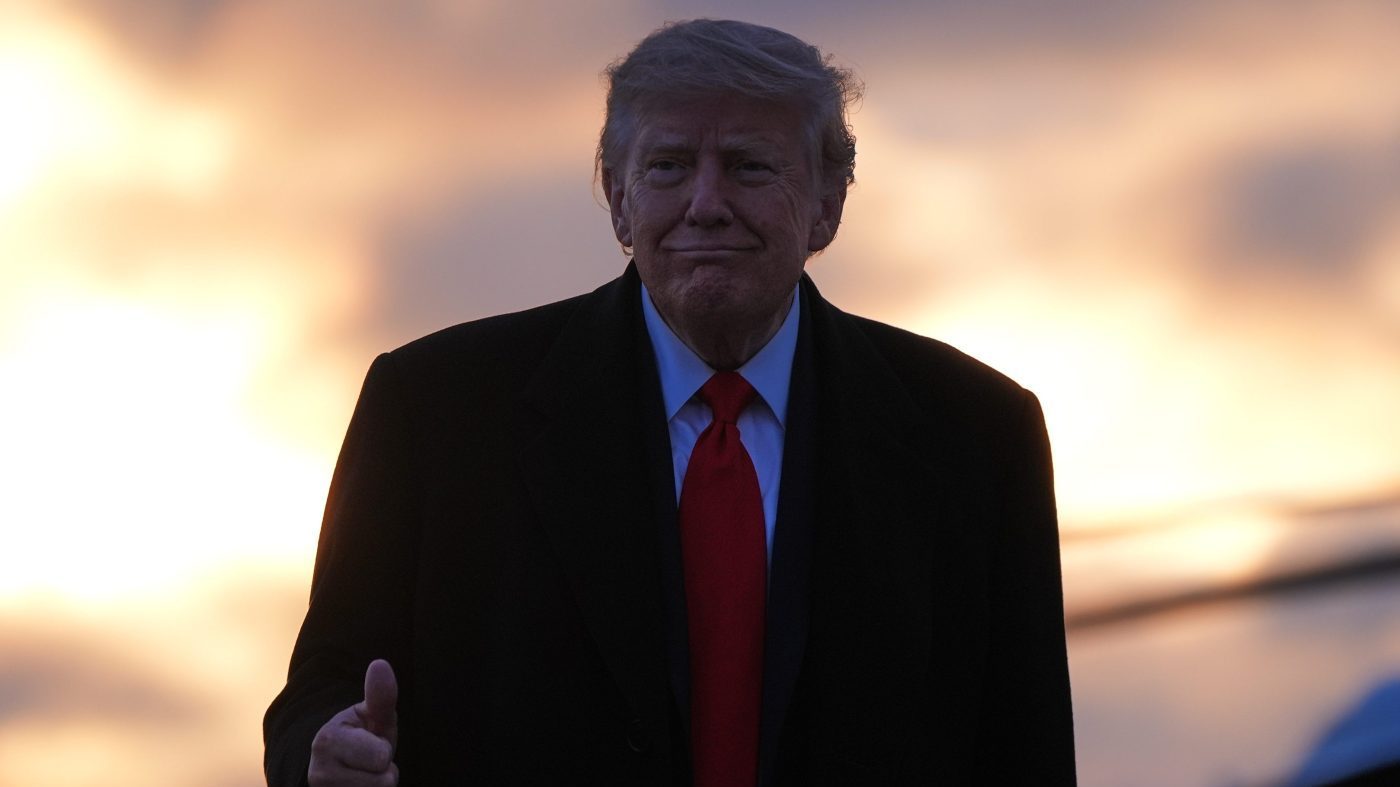
The announcement unfolds against a backdrop of severe geopolitical tension. During a briefing on Monday, President Donald Trump issued a stark ultimatum to Iran, vowing to bomb the country "back to the Stone Ages" if the Strait of Hormuz is not reopened by Tuesday at 8:00 p.m. Eastern Time. When asked by reporters whether his administration was de-escalating or intensifying the situation, Trump replied, "I can't tell."
The president also launched sharp criticism against key U.S. allies for their perceived lack of support in the standoff with Iran. "South Korea didn't help us. You know who else didn't help us? Australia didn't help us," Trump stated. He further singled out Japan, noting the large U.S. troop presence there meant to counter North Korea, a nation whose leader he claimed to "get along with very well."
Trump has repeatedly blamed previous U.S. administrations for allowing Pyongyang to obtain nuclear weapons and has asserted that potential U.S. strikes on Iran would prevent Tehran from achieving the same capability. His latest profane ultimatum to Iran marks a significant escalation in rhetoric.
Strategic Chokepoint and Diplomatic Efforts
The Strait of Hormuz is arguably the world's most important oil transit corridor, accounting for roughly one-fifth of global daily supply. It has been effectively closed to most commercial shipping since the war began on February 28, creating a massive bottleneck in energy markets.
International efforts to resolve the crisis have proceeded without U.S. participation. Last Thursday, leaders from nations including Japan and South Korea held a virtual meeting initiated by the United Kingdom to discuss plans for reopening the strait. The United States was notably absent from these diplomatic talks.
Analysts suggest Iran is strategically withholding a ceasefire to use control of the strait and its nuclear program as leverage. Meanwhile, the prolonged closure has starkly revealed the strategic vulnerabilities in U.S. and global energy policy.
As the deadline approaches, divisions are emerging within U.S. political circles. Some officials, like Congressman Mike Turner, have publicly downplayed the necessity of a ground invasion to reopen the waterway, directly contradicting the president's more aggressive stance. Former envoy Brett McGurk has also warned that Trump's escalatory threats are likely to fail in securing a deal.
The OPEC+ decision places the immediate future of global oil markets squarely on the resolution of this geopolitical stalemate. The planned production increase is designed to calm markets, but its execution remains entirely dependent on the reopening of a waterway that is currently at the center of a brewing international crisis.