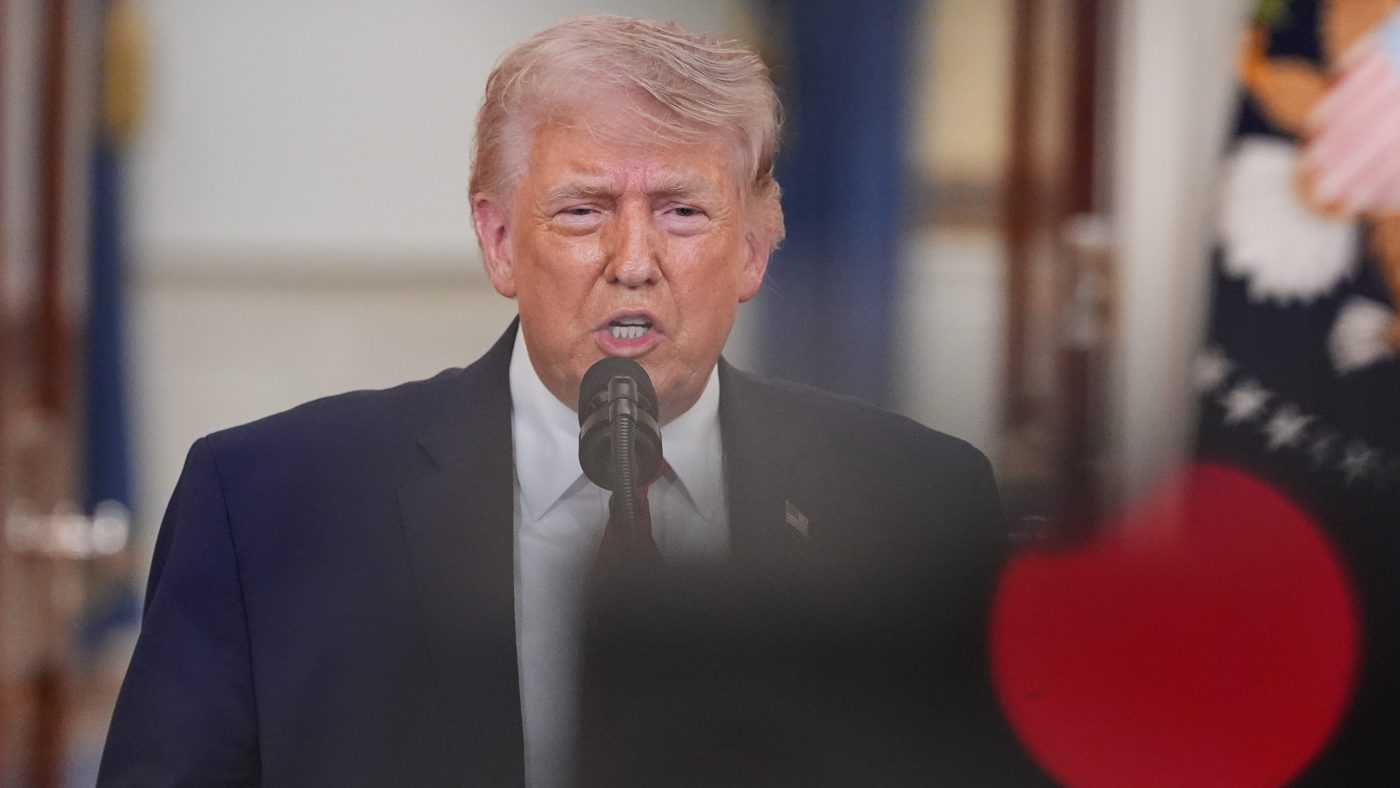
President Donald Trump issued a graphic threat to Iran on Sunday, vowing to target the nation's critical infrastructure if it does not immediately reopen the Strait of Hormuz. In a post on Truth Social, the president used explicit language to demand action from Tehran, framing an impending Tuesday as a day for simultaneous strikes on power plants and bridges.
"Tuesday will be Power Plant Day, and Bridge Day, all wrapped up in one, in Iran. There will be nothing like it!!!" Trump wrote, concluding the message with, "Praise be to Allah. President DONALD J. TRUMP." The threat follows a self-imposed U.S. deadline that expired Monday, after which Trump had promised "all hell" would reign down on Iran.
Economic Chokepoint at Center of Crisis
The Strait of Hormuz, a narrow maritime passage crucial for global oil shipments, has been effectively closed since late February amid escalating conflict. The closure has driven oil prices steadily higher, putting pressure on the international economy. Trump has repeatedly focused his anger on NATO allies dependent on energy exports through the strait, seeking to compel them to intervene militarily.
However, key U.S. partners have pursued a different diplomatic track. On Thursday, the United Kingdom convened a coalition of 41 nations to discuss reopening the waterway, accusing Iran of holding the global economy "hostage." Allies have also voiced significant frustration over the lack of coordination with Washington and the absence of a clear plan to secure the strait following joint U.S.-Israeli military operations inside Iran.
Allied Criticism and Military Action
French President Emmanuel Macron explicitly rejected Trump's push for European nations to join offensive operations. "They cannot then complain about not being supported in an operation they decided on their own. It is not our operation," Macron stated last week. This rift highlights the diplomatic challenges facing the administration's strategy, even as Tehran dismisses U.S. proposals as unrealistic.
The Sunday threat followed a confirmed U.S. military strike last Thursday against the B1 bridge in north-central Iran. A U.S. defense official stated the strike aimed at "eliminating a planned military supply route for sustaining Iran’s ballistic missile and attack drone force." Trump shared video of the aftermath on social media.
Analysts note the president's rhetoric marks a sharp escalation. While Trump has previously described a ceasefire proposal from Iran as 'significant', his latest statements emphasize military force over diplomacy. The threats also come as Israeli forces continue strikes on Iranian energy targets.
The situation presents a volatile test for the administration, balancing military posturing with the practicalities of global energy markets and strained alliances. With the deadline passed and Tehran showing no signs of capitulation, the region braces for potential retaliation and further economic disruption.