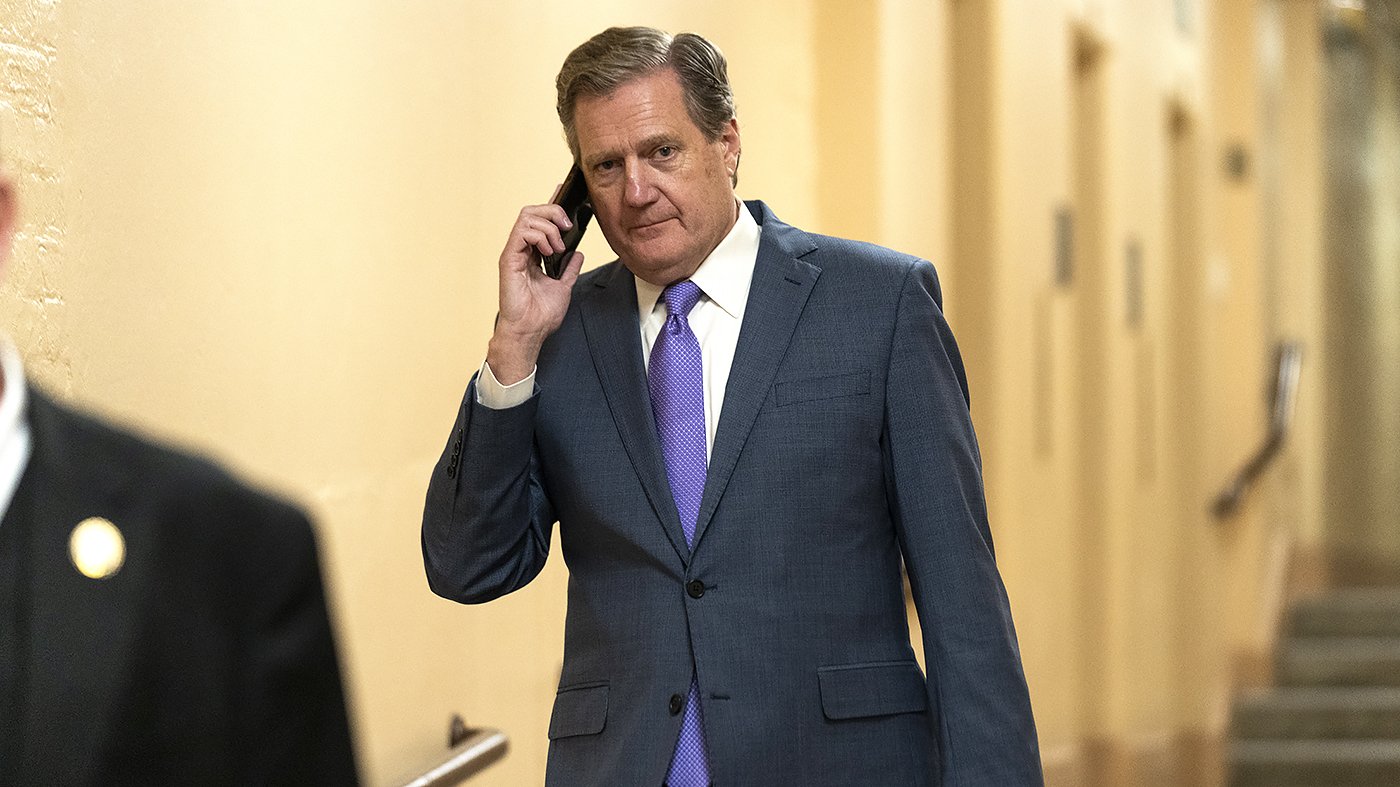
Congressman Mike Turner, a prominent Republican from Ohio, stated on Sunday that he does not believe a ground invasion will be required to force open the strategically vital Strait of Hormuz, which Iran has kept closed for over a month by mining the waterway and threatening to fire on vessels.
The closure has effectively halted the flow of international oil shipments from the Persian Gulf, sending crude prices soaring to $112 per barrel and causing significant economic strain, particularly for Asian nations dependent on the region's energy exports.
Diverging Views on Military Action
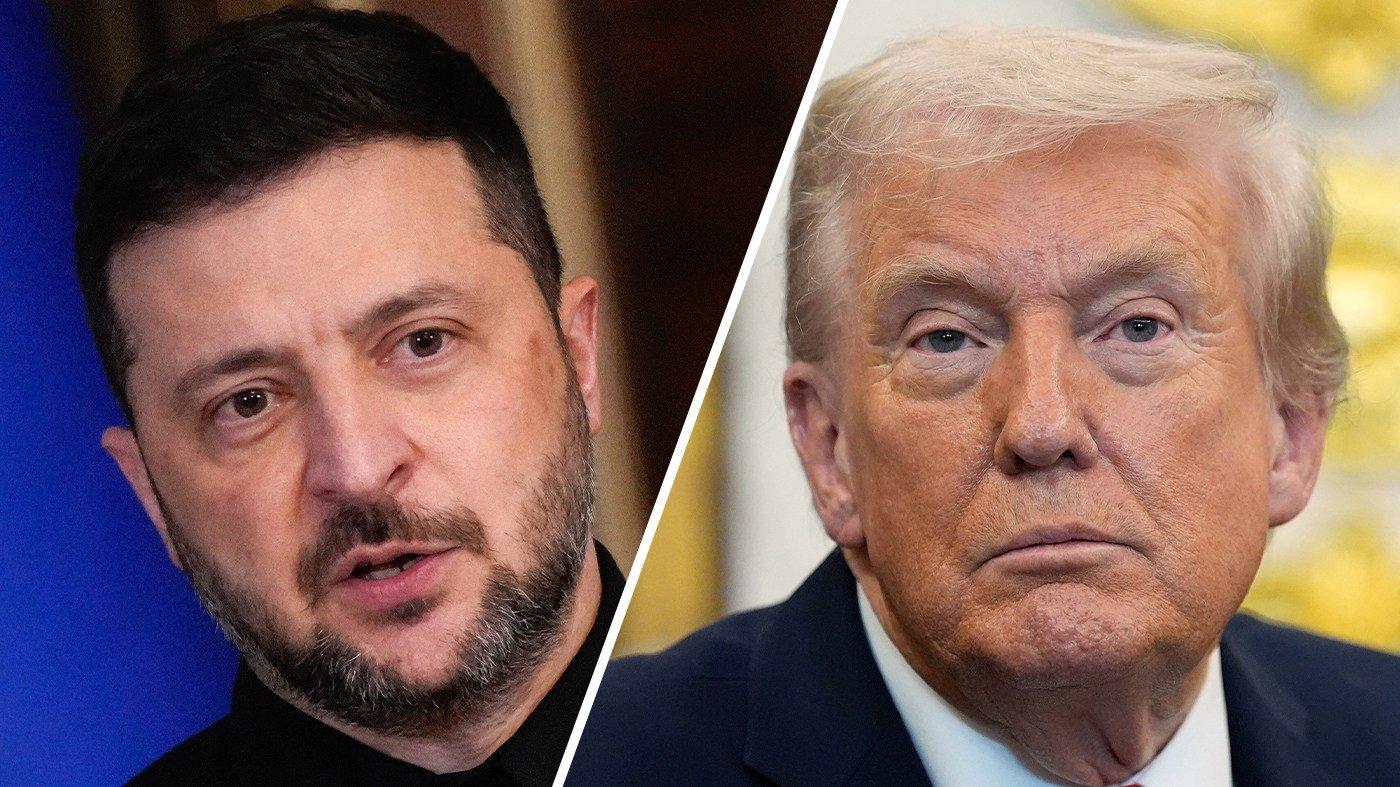
During an interview on ABC's "This Week," Turner was asked directly if U.S. troops would be needed to restore access. "I don't believe so," he responded. "I think that certainly that this is going to be, again, a diminishing regime." His assessment stands in contrast to President Trump's more aggressive posture. In a Truth Social post, Trump issued a stark ultimatum, giving Iran until Tuesday to reopen the strait to commercial traffic or face devastating strikes on its energy infrastructure and other sites.
"Tuesday will be Power Plant Day, and Bridge Day, all wrapped up in one, in Iran. There will be nothing like it!!! Open the F---in' Strait, you crazy bastards, or you'll be living in Hell – JUST WATCH! Praise be to Allah. President DONALD J. TRUMP," the president wrote. Speaking to The Hill, Trump declined to rule out sending ground forces into Iran, stating, "If they were smart, they would make a deal."
Broader Strategic Aims Beyond the Strait
While Turner expressed support for military strikes to restore safe passage, he argued the U.S. objective must extend beyond simply reopening the choke point. He warned against allowing Iran to continue its march toward nuclear capability and its development of long-range missile technology that threatens the U.S. and Europe.
"You have to be able to address this, you know, great sponsor of terrorism, this — the global power ambition that Iran has," Turner told host George Stephanopoulos. His comments reflect a broader debate within the Republican Party over foreign policy priorities and the scale of military commitment.
Tehran's leadership has presented five non-negotiable conditions for ending the conflict. These include maintaining sovereign control over the Strait of Hormuz, receiving war damages and reparations, a complete cessation of hostilities across all fronts involving allied resistance groups, and a guarantee against future U.S. strikes. The firmness of these demands suggests a protracted standoff, even as domestic political pressures mount ahead of the midterm elections.
The situation remains highly volatile. Previous Iranian missile attacks have already injured U.S. personnel stationed in the region, and analysts warn that any major U.S. offensive could trigger a wider regional war. Some figures, like former advisor Steve Bannon, have publicly warned of the risks of an expanding ground conflict targeting Iranian facilities like Kharg Island.
As the Tuesday deadline looms, the international community watches to see if diplomatic channels can avert a major escalation. The outcome will have profound implications for global energy markets, regional stability, and the future of U.S.-Iran relations, potentially defining the foreign policy landscape for the post-Trump era.