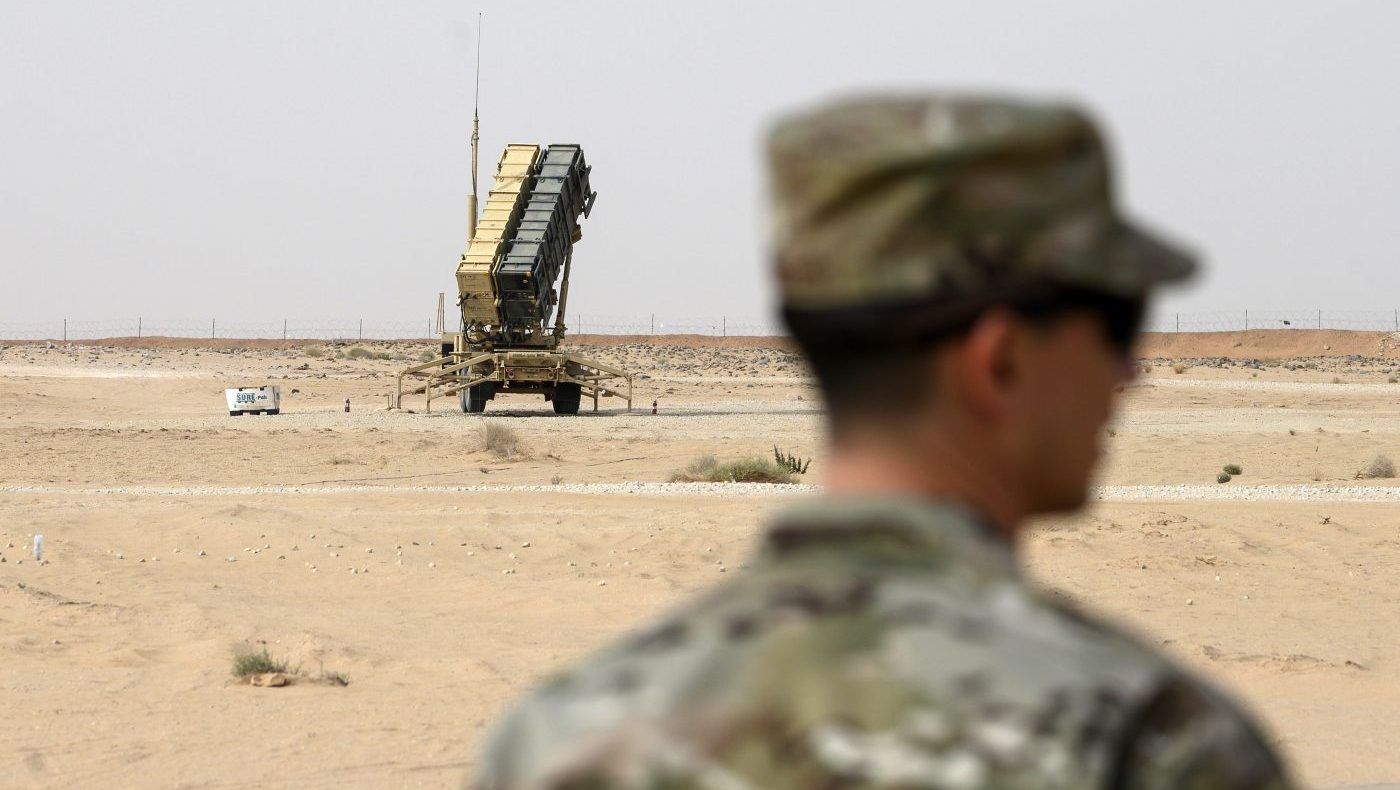
An Iranian missile strike targeted Prince Sultan Air Base in Saudi Arabia on Friday, wounding ten American military personnel according to U.S. officials. Two service members suffered serious injuries in the attack, which also damaged multiple U.S. Air Force refueling aircraft and unmanned drones stationed at the facility.
This incident represents the second successful Iranian attack on the strategic base this month, part of Tehran's ongoing retaliation for what it describes as joint U.S.-Israeli operations. A previous strike on March 1 resulted in the death of 26-year-old Sergeant Benjamin N. Pennington. The conflict, known as Operation Epic Fury, has now claimed the lives of thirteen American service members since its inception, with six fatalities occurring in an office complex in Kuwait and another six in a refueling plane crash.
U.S. Central Command confirmed earlier Friday that over 300 American troops have been injured throughout the hostilities, with ten remaining in serious condition while 273 have returned to active duty.
Ceasefire Negotiations and Military Buildup
As the conflict enters its fifth week, both Washington and Tehran have exchanged ceasefire proposals through diplomatic channels. Iran has publicly rejected a 15-point American peace plan, instead submitting a counterproposal demanding Iranian sovereignty over the critical Strait of Hormuz, a complete cessation of hostilities, and an end to attacks on Iranian government officials. Trump administration officials note that Iran has not formally responded to the latest U.S. proposal, which was delivered through Pakistani mediators.
Secretary of State Marco Rubio addressed foreign ministers from the Group of Seven nations in France on Friday, predicting the conflict would conclude within two to four weeks. "There's a growing amount of energy that's been flowing through the straits. Not as much as should be flowing, but some of it has picked up," Rubio told reporters Thursday, suggesting some progress in negotiations. "So again, there's been some progress in regards to the exchange of messages, but that's an ongoing and fluid process, and not one we're going to negotiate or talk about in the media."
Despite President Trump's repeated assertions that the war will end soon, the Pentagon continues to escalate military presence in the region. Over the past week, the Defense Department has deployed 2,500 Marines and 2,000 paratroopers from the 82nd Airborne Division, with reports indicating consideration of sending an additional 10,000 troops to the Middle East.
Broader Regional Implications
The attack occurs against a backdrop of heightened regional tensions, including recent Israeli strikes on Iranian nuclear facilities and Tehran's persistent threats to shipping lanes. Secretary Rubio has previously warned G7 allies about potential Iranian control over Strait of Hormuz transit following any conflict resolution.
Public opinion appears divided on American military involvement, with recent polling showing majority opposition to military action against Iran and disapproval of the administration's handling of the crisis. Meanwhile, some analysts advocate for policy shifts that target the Iranian regime rather than its civilian population.
The continued violence underscores the fragile state of ceasefire negotiations and the potential for further escalation, even as diplomatic channels remain open. The attack on Prince Sultan Air Base demonstrates Iran's continued capability to strike U.S. assets in the region despite American troop reinforcements and heightened alert status.