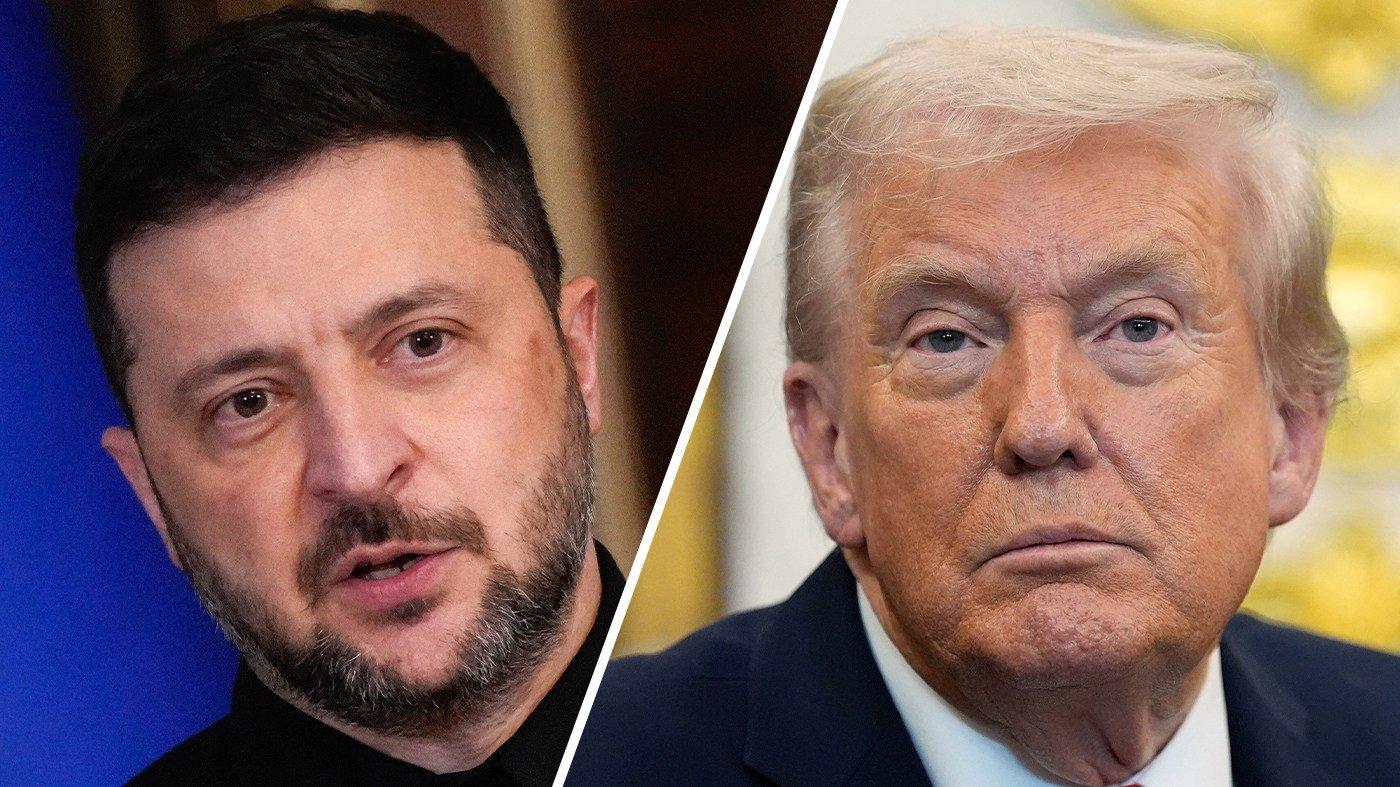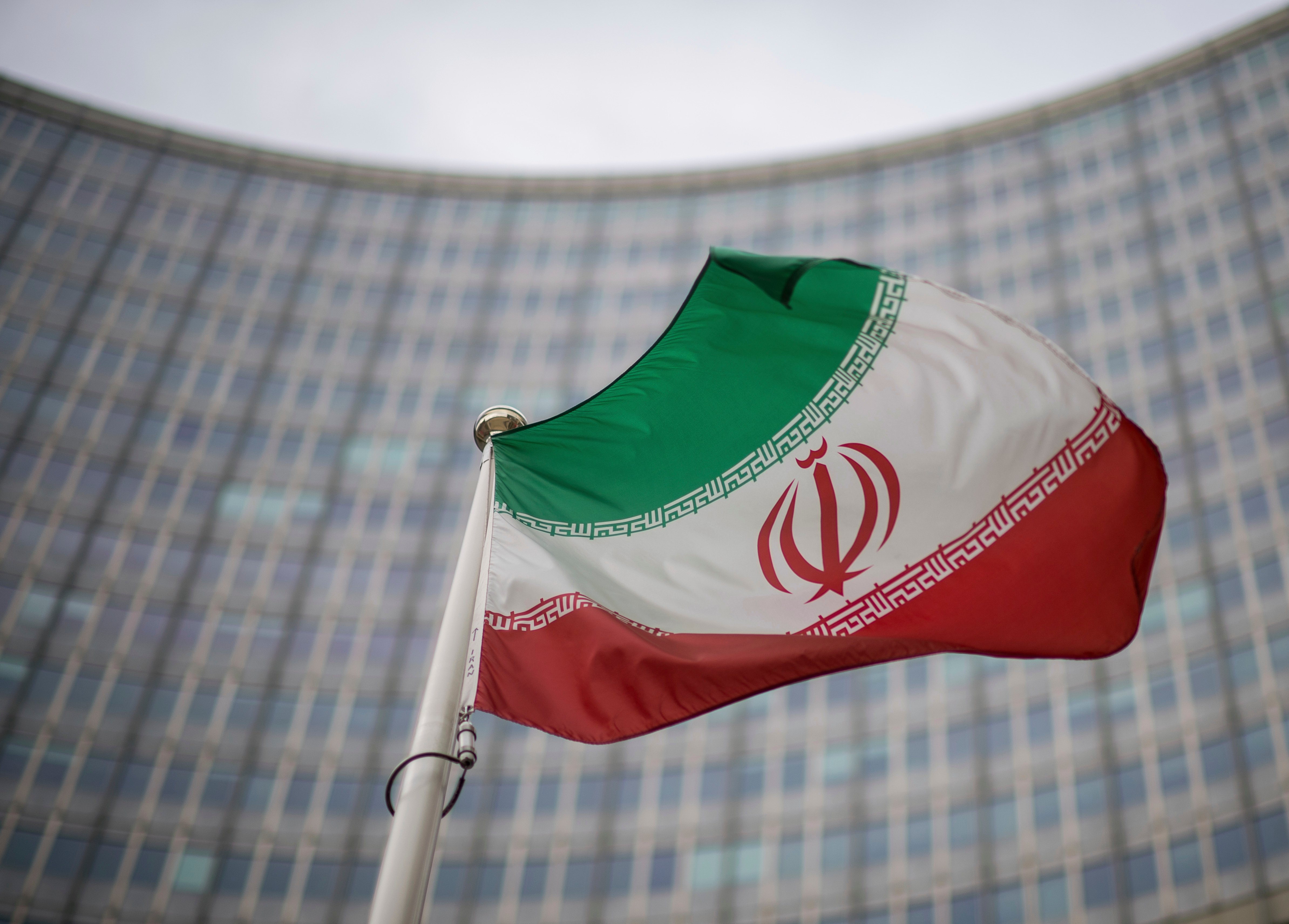
Israeli forces conducted targeted strikes against two Iranian nuclear installations on Friday, marking a significant escalation in the ongoing regional conflict. The attacks occurred hours after Israeli officials pledged to intensify military operations and as former President Donald Trump claimed progress in ceasefire negotiations.
Targets and Immediate Aftermath
According to Iranian state media, the strikes hit the Ardakan Yellowcake Production Plant in Yazd and the Khondab Heavy Water Complex. Yellowcake is a processed form of uranium ore, while heavy water is used to moderate certain types of nuclear reactors, both representing critical components in nuclear fuel cycles.
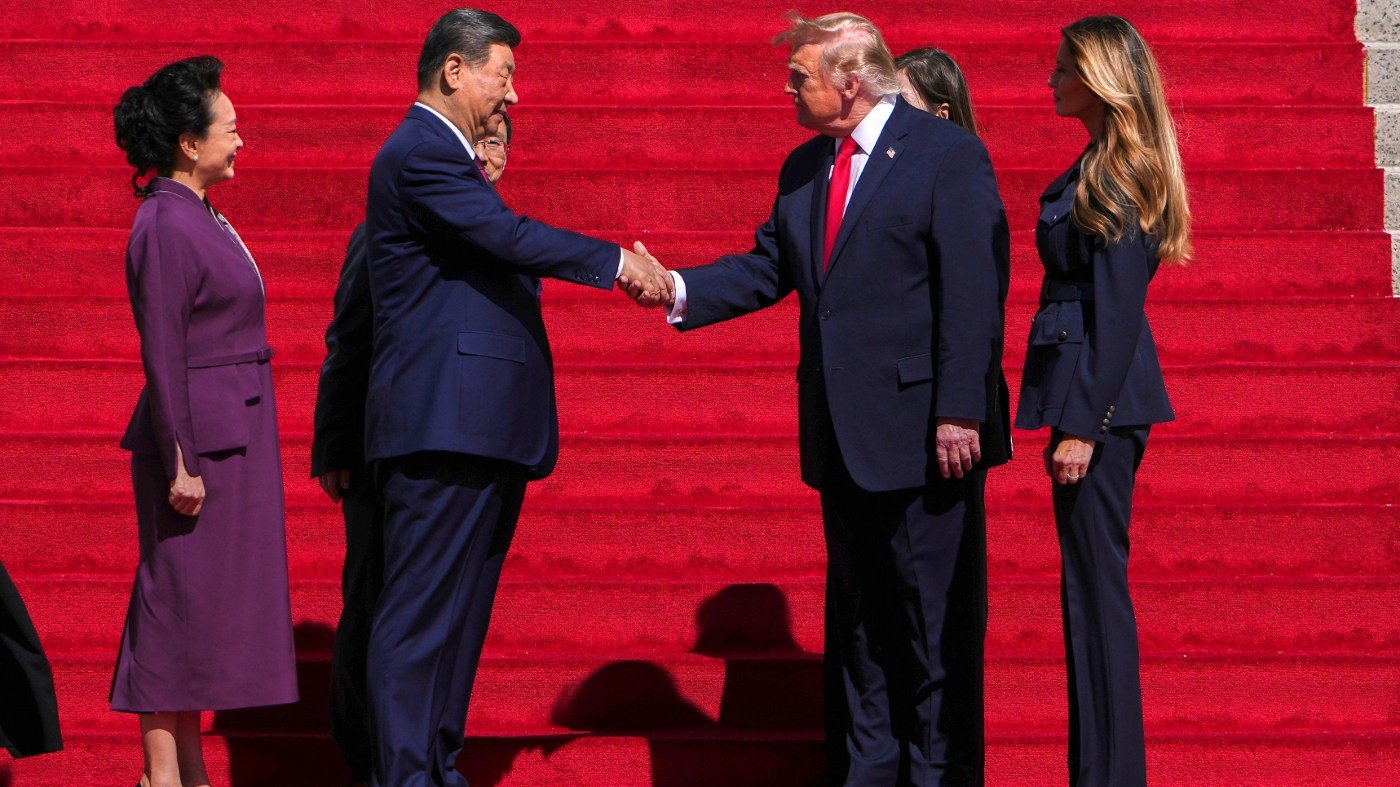
Tehran's Atomic Energy Organization stated the attacks caused no casualties or release of radioactive materials, asserting there was no public contamination risk. However, the Israeli Defense Forces (IDF) publicly claimed responsibility, stating it had struck the heavy water plant in Arak and what it identified as Iran's primary facility for missile and sea mine production in Yazd.
Strategic Justifications and Threats
"The IDF will not allow the Iranian regime to continue advancing its nuclear weapons program, which poses an existential threat to Israel and the entire world," the Israeli military declared on social media platform X.
The Islamic Revolutionary Guard Corps (IRGC), through its affiliated Fars news agency, vowed retaliation against American and Israeli interests in the region. It warned employees of U.S. and Israeli industrial companies to evacuate. IRGC Aerospace Force commander Seyed Majid Moosavi issued a stark warning on X: "You tested us once before... This time, the equation will no longer be an eye for an eye; wait and see!"
Broader Conflict Context
The strikes are part of a sustained campaign. U.S. Defense Secretary Pete Hegseth said earlier this month that combined forces have hit over 15,000 targets inside Iran since joint operations began on February 28, claiming to have "decimated" Iranian military capabilities. Israeli operations have also eliminated several high-ranking Iranian officials, including Supreme Leader Ayatollah Ali Khamenei and key security figures.
The conflict shows little sign of abating. Iran continues to leverage its blockade of the Strait of Hormuz, a critical maritime chokepoint for roughly 20% of the world's daily oil supply. This tactic has destabilized global energy markets, repeatedly driving fuel prices above $100 per barrel. The strategic importance of the strait was further underscored by a recent Israeli strike that killed a top Iranian naval commander in the area.
Diplomatic Maneuvers
Amid the violence, diplomatic efforts appear stalled. Trump announced an extension of a pause on U.S. strikes against Iranian energy infrastructure until April 6, citing productive talks with Iranian officials. However, Tehran has publicly denied engaging in negotiations with the Trump administration.
Furthermore, Iranian officials recently rejected a 15-point U.S. ceasefire proposal that included reopening the Strait of Hormuz. Instead, Tehran presented its own set of demands for ending hostilities, creating a diplomatic impasse. The situation is further complicated by domestic U.S. political actions, such as the recent convening of an anti-fraud task force, which may influence broader foreign policy bandwidth.
The attack on Iran's nuclear infrastructure represents a direct challenge to its strategic ambitions and signals Israel's willingness to conduct high-risk operations to counter what it perceives as an existential threat. With both sides promising further action and a key global trade route weaponized, the potential for a wider regional war continues to grow.