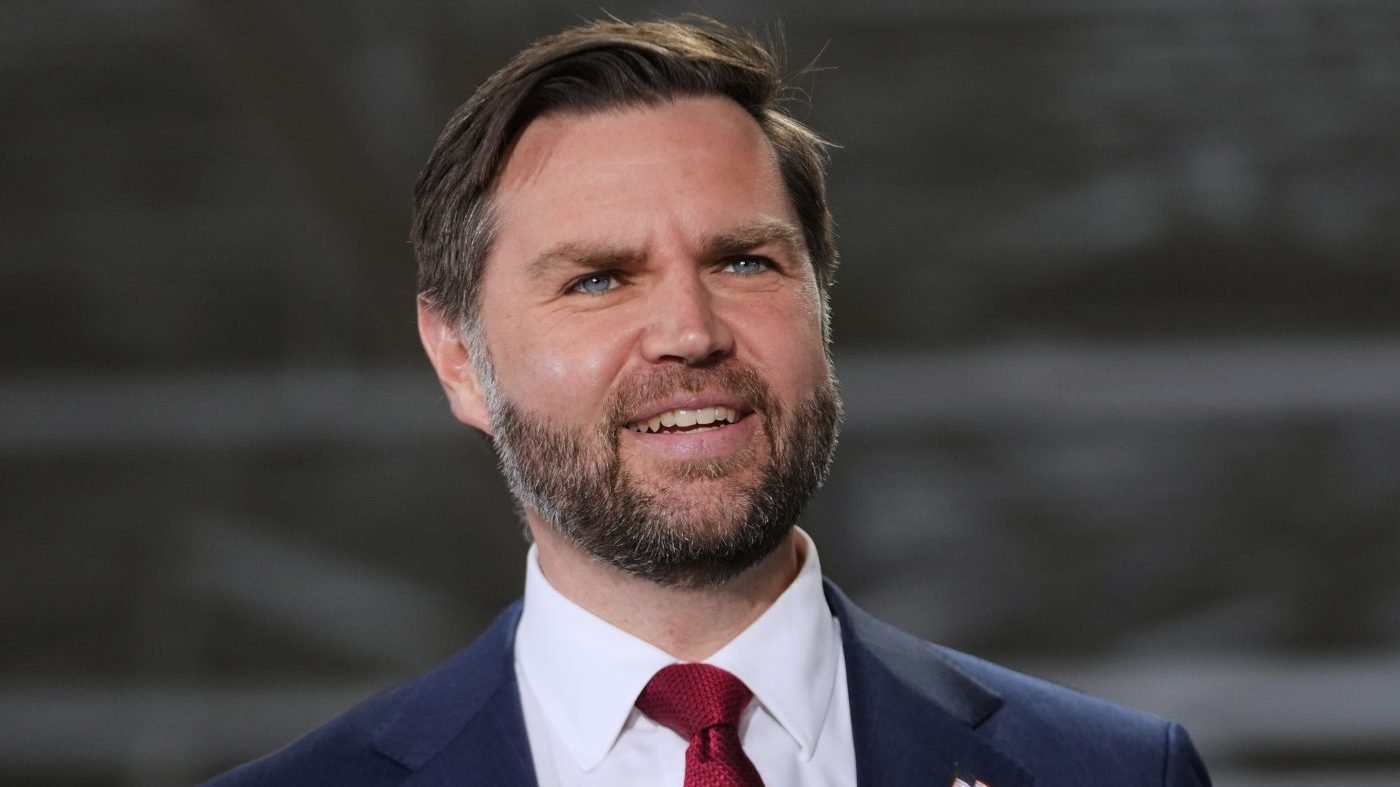
Vice President J.D. Vance on Friday convened the inaugural session of President Donald Trump's newly formed White House Task Force on Eliminating Fraud, marking the formal launch of an administration-wide initiative to root out waste and abuse in federal spending. The panel, first announced during Trump's State of the Union address, is charged with advising the president and coordinating efforts across agencies to combat what the administration describes as systemic fraud in government benefit programs.
Scope and Mandate
The task force's mandate is broad, focusing on identifying and eliminating fraudulent activities, wasteful spending, and the misuse of funds across a range of federal programs. According to an administration fact sheet, its primary function is to "coordinate government-wide efforts to combat widespread fraud, waste, and abuse in Federal benefit programs." This suggests a significant interagency push that could involve scrutiny of healthcare, welfare, disaster relief, and other major budgetary areas.

The meeting's timing is politically significant, occurring against a backdrop of active investigations. The Trump administration is currently probing the state of Minnesota over allegations of fraud within its social services programs. Simultaneously, the House held a rare public hearing just one day prior, examining charges against Representative Sheila Cherfilus-McCormick (D-Fla.), who is accused of diverting millions in federal disaster funds to finance her 2021 congressional campaign. The House Ethics Committee has advanced that case, highlighting the political stakes surrounding federal fund misuse.
Key Participants and Broader Context
Vance was joined at the meeting by several senior officials, including Federal Trade Commission Chair Andrew Ferguson and White House Deputy Chief of Staff Stephen Miller. Their presence signals the task force's intended reach, combining regulatory enforcement with direct White House oversight. The creation of this body reflects a core administrative priority for Trump's second term, emphasizing fiscal hawkishness and a crackdown on perceived mismanagement.
This focus on internal oversight and spending comes as the administration faces criticism on other national security fronts. Some Republican lawmakers have expressed concern over the strategic approach to international threats, with figures like Representative Jason Crow criticizing the administration's Iran strategy as vague and potentially leading to escalation. Others, including Representative Matt Gaetz, have warned against military entanglements, citing economic risks. These debates over external engagements contrast with the inward-looking, domestic accountability mission of Vance's new panel.
The task force also enters a complex political landscape shaped by recent electoral shifts. The administration's policy moves, from cultural institutions to foreign policy, continue to draw intense scrutiny. For instance, the Trump-ordered closure of the Kennedy Center has triggered staff layoffs, demonstrating how administrative decisions on spending and priorities have direct, tangible consequences. Meanwhile, the political environment remains volatile, as seen when Democrats flipped a Trump-adjacent Florida district in a recent special election upset.
As the task force begins its work, its findings and recommendations could have substantial implications for federal agencies and beneficiaries. The coordination between the FTC, the White House, and other bodies suggests a multi-pronged approach involving enforcement, policy revision, and potentially legislative proposals. The administration's fact sheet did not specify timelines or initial targets, leaving the panel's immediate operational focus to be defined during these early meetings.
The live broadcast of the inaugural meeting, scheduled for 10 a.m. EDT, offered a window into the administration's procedural launch of a significant executive initiative. As Vance leads this effort, the task force's work will be closely watched by lawmakers, oversight bodies, and critics who will assess its effectiveness and its political impact amidst ongoing congressional and state-level investigations into fraud allegations.