Republican Leadership Split Over Border Funding Strategy
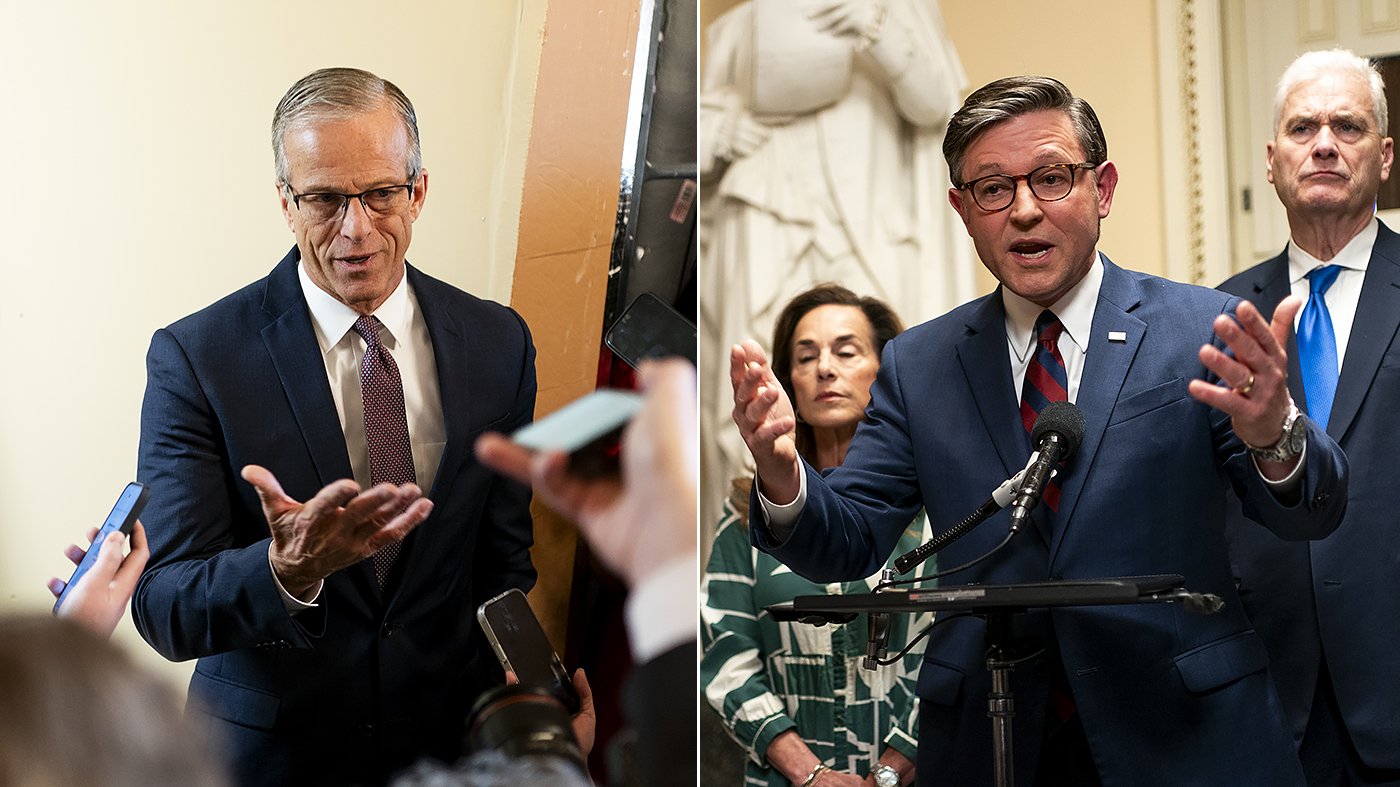
House Speaker Mike Johnson and Senate Majority Leader John Thune are publicly at odds over how to fund the Department of Homeland Security, exposing significant fractures within Republican ranks. Johnson on Friday forcefully rejected a Senate-approved funding arrangement that Thune had backed, displaying unusual frustration with his Senate counterpart.
The Senate deal, passed by unanimous consent early Friday morning with minimal attendance, established a two-step funding process. It would have immediately provided money for the Transportation Security Administration, the Federal Emergency Management Agency, and the Coast Guard, while delaying funding for Immigration and Customs Enforcement and border enforcement operations until a later date.

"This gambit that was done last night is a joke," Johnson declared. "I'm quite convinced that it can't be that every Senate Republican read the language of this bill." The Speaker downplayed Thune's role in crafting the agreement, instead blaming Senate Democrats. "I wouldn't call John Thune the engineer of this," Johnson said. "Chuck Schumer and the Democrats in the Senate have forced this upon the Senate."
Strategic Disagreement Over Border Enforcement
Thune, who controls the Senate floor, sponsored the amendment that omitted ICE and Border Patrol funding—a tactical move similar to what Democrats have proposed for weeks. The Senate Republican leader told reporters he pursued this strategy after Democrats rejected what he called the GOP's "last and final offer" for ICE reforms, describing the outcome as "unfortunate."
The disagreement represents more than typical inter-chamber tension. It highlights Republican leaders operating out of sync on a critical issue, even as they must eventually collaborate to pass any shutdown solution through their respective chambers. This funding standoff comes as House Republicans face increasing pressure from their right flank on immigration issues.
House Republican leaders were caught off guard by the Senate's early morning maneuver. Representative Lisa McClain, chair of the House GOP Conference, said she was "shocked" to discover the Senate had passed the bill. "We've been consistent in our position that we don't want open borders," McClain stated. "We want to make sure that the American people are safe and our borders remain closed."
Conservative Opposition and Trump's Influence
The House Freedom Caucus immediately denounced the Senate deal, demanding DHS funding that includes border patrol resources and a voter ID requirement. Former President Donald Trump later criticized the agreement as well, calling it "inappropriate" during a Fox News interview and urging Senate Republicans to end the filibuster.
Johnson confirmed he consulted with Trump before announcing the House would reject the Senate deal and instead pursue an eight-week stopgap measure for DHS—a proposal unlikely to pass the Senate. "He understands exactly what we're doing," Johnson said of Trump. House Majority Leader Steve Scalise suggested Senate Republicans might eventually welcome House intervention, saying they "are probably hoping we bail them out by sending over the CR that funds everything."
The rejection carries political risks for House Republicans if voters blame them for dismissing a bipartisan solution. Some moderate GOP members raised this concern during a conference call Friday. However, Trump's executive order directing DHS to find funds for TSA agents may reduce public pressure, since the most visible shutdown impact—airport security delays—could be mitigated.
House Republicans also objected to the Senate deal on procedural grounds, warning it would establish a dangerous precedent for defunding programs during appropriations battles. This internal conflict occurs against a backdrop of record retirements among House Republicans, further complicating Johnson's leadership challenges. Meanwhile, Senate Majority Leader Chuck Schumer has already rejected the House's proposed stopgap, leaving both chambers at an impasse as they begin a two-week recess.