The annual inflation rate jumped to 3.8 percent in April, surpassing economists' forecasts, as the ongoing war in Iran sent energy and food prices soaring, according to data released Tuesday by the Labor Department. The consumer price index (CPI) rose 0.6 percent in April alone, marking the sharpest monthly increase in months and delivering a fresh political blow to President Trump and Republican lawmakers as they head into the midterm campaign season.
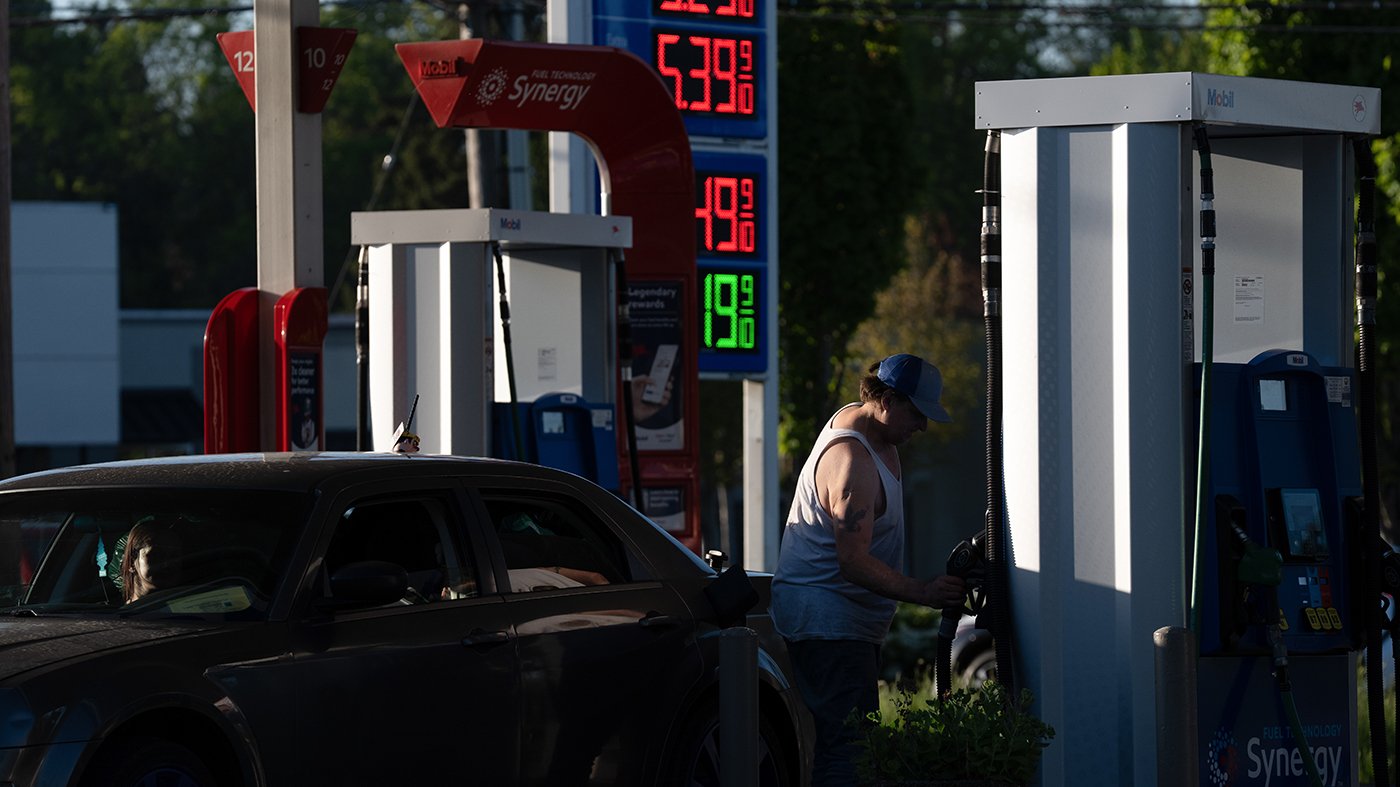
Economists had predicted a 3.7 percent annual rate, up from March's 3.3 percent, but the actual figure underscored the deepening economic strain from the conflict. Energy prices alone climbed 3.8 percent in April, driven by disruptions to global oil supplies through the Strait of Hormuz, a critical chokepoint for crude shipments. The war has drastically raised costs for gasoline, heating oil, and other petroleum-based products, squeezing household budgets and business margins. Food prices also rose 0.5 percent during the month, adding to the burden on consumers.
The data is a significant political liability for President Trump, whose approval ratings have already sunk to 62 percent disapproval as voter anger over inflation and the Iran conflict intensifies. Republicans now face the prospect of a midterm backlash, with the economy emerging as the top concern for many voters. The White House had touted a strong April jobs report, which exceeded expectations despite the war, but the inflation spike threatens to overshadow that positive news.
Energy analysts note that the price surge is a direct consequence of the military campaign in Iran, which has disrupted tanker traffic and raised insurance costs for shippers. The administration's long-touted "drill baby drill" strategy has done little to insulate American consumers from global price shocks, as domestic producers struggle to ramp up output amid supply chain bottlenecks and regulatory hurdles. The Federal Reserve, meanwhile, faces a difficult balancing act as it tries to contain inflation without choking off growth, especially as global supply shocks complicate its policy approach.
On Capitol Hill, Republicans are scrambling to respond. Some have pushed for tax relief measures, including a proposal to eliminate the inflation tax on capital gains, while others advocate for suspending federal gas taxes or providing direct relief to households. However, internal divisions remain over the best path forward, and Democrats have seized on the data to hammer the GOP on economic stewardship.
The political fallout extends beyond the White House. Senator Marco Rubio, a key Trump ally, has drawn attention for his constitutional objections to the administration's war powers, recently declaring the War Powers Act '100 percent unconstitutional' during a White House briefing. The inflation data is likely to fuel further debate over the costs of the conflict, both at home and abroad.
As the midterms approach, the inflation spike has become a central theme in campaign ads and stump speeches. The president's team is expected to argue that the price increases are temporary and tied to the war, but with no end to the conflict in sight, voters may not be forgiving. The Labor Department's report serves as a stark reminder that the economic pain from the Iran war is far from over.