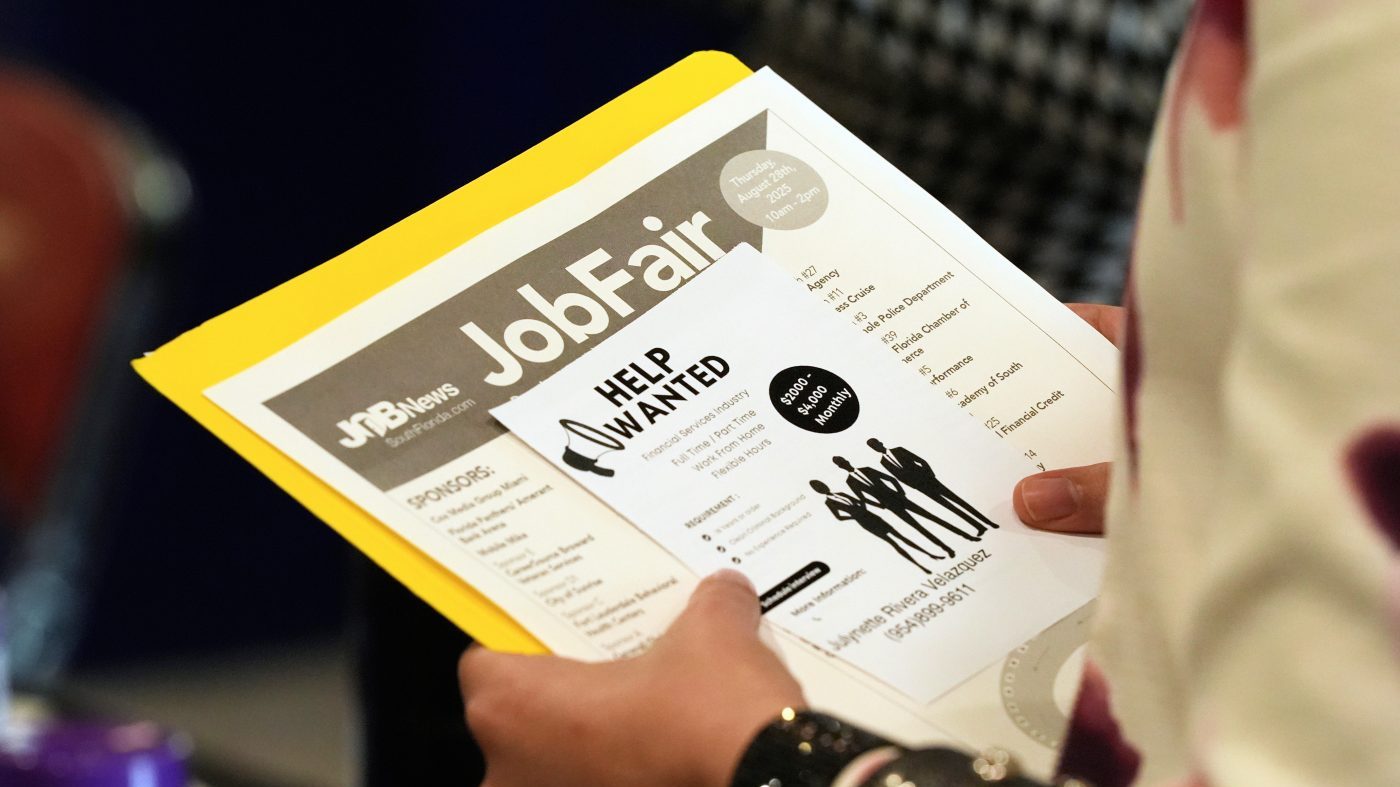
The Labor Department reported Friday that the U.S. economy added 115,000 jobs in April, a figure that comfortably topped the 67,000 consensus estimate from economists. The unemployment rate held at 4.3 percent for the second consecutive month, offering a modest bright spot as the White House grapples with persistent inflation and soaring energy costs linked to the ongoing conflict in Iran.
While the headline numbers beat expectations, the broader economic picture remains strained. Average gasoline prices surged past $4.50 a gallon this week, according to AAA, as negotiations between President Trump and Iranian leaders have failed to produce a durable ceasefire. The Federal Reserve's preferred inflation gauge crossed 3 percent in March, driven largely by higher fuel and food costs that continue to ripple through household budgets.
Administration officials have acknowledged the pain at the pump but argue that consumer spending remains robust. National Economic Council Director Kevin Hassett, in a Wednesday interview on Fox Business, pointed to rising credit card outlays as evidence of underlying strength. "Credit card spending is through the roof," Hassett told host Maria Bartiromo. "They're spending more on gasoline, but they're spending more on everything else too."
The jobs data arrives amid a politically volatile climate, with the midterm elections looming and public confidence in the economy flagging. A recent Gallup poll found nearly half of Americans rate the economy as "poor," a sentiment that could weigh on Republican candidates this fall. Meanwhile, a Fox News poll showed Democrats leading on economic issues for the first time since 2010, signaling a potential shift in voter priorities.
The Iran war has compounded economic pressures, with the U.S. naval blockade crippling Tehran's economy and driving up global energy prices. The International Monetary Fund has been urged to deploy a trillion-dollar reserve tool to stabilize markets, but no such action has materialized. Domestic sectors are feeling the strain: farm debt has hit a record $600 billion, and rural communities are struggling under the weight of Trump's trade policies.
In a sign of the administration's political calculus, Trump has been courting young voters in Arizona, a key battleground state, as his support erodes over both the war and economic discontent. The president has also attacked Virginia Governor Abigail Spanberger, claiming the state's economy has "lost its energy," a line that underscores the heightened partisan rhetoric around economic performance.
Despite the headwinds, the April jobs report offers the White House a data point to cite as evidence that the labor market remains resilient. However, with inflation running hot and energy costs elevated, the relief may be short-lived. The coming months will test whether consumers can sustain their spending habits or whether the cumulative toll of higher prices will begin to dampen economic activity.
This story is developing. Check back for updates.