President Trump has never hidden his contempt for the federal judiciary, which has often ruled against his agenda. But a largely overlooked March decision by a federal judge in Washington, D.C., may have handed him an unexpected strategic advantage. By striking down a key piece of Trump's government reorganization as unconstitutional, the court has opened the door for him to escape what many see as the most dangerous security quagmire of his presidency: the war in Iran.
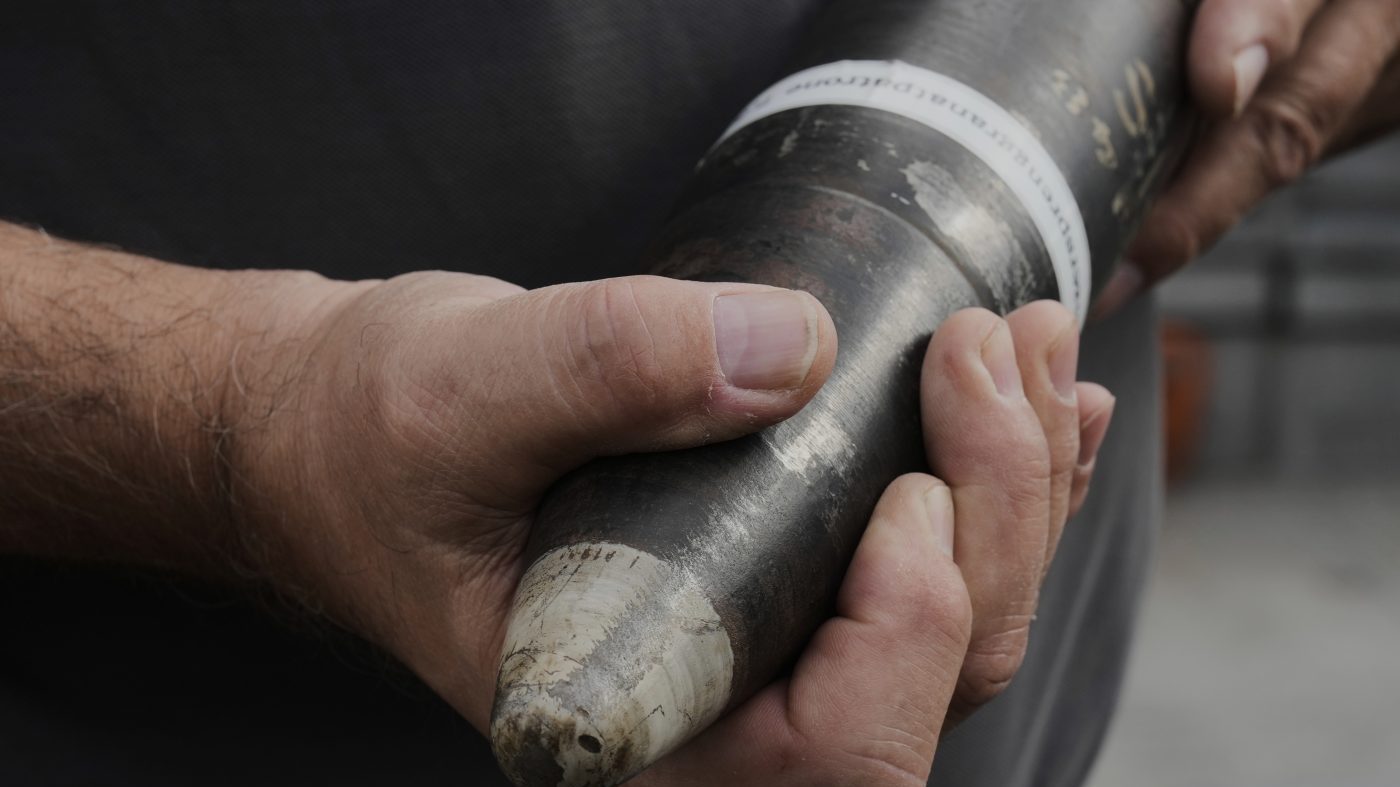
Operation Epic Fury, launched last September with B-2 bunker-buster strikes, successfully destroyed Iran's visible nuclear infrastructure, including three centrifuges. However, nearly a ton of highly enriched weapons-grade uranium—enough for ten nuclear bombs—remains buried under rubble, and some inactive centrifuges at other sites were untouched. The deeper problem, according to former Defense Department official Joseph Bosco, writing in The World Signal, is that the radical Islamist regime that built this arsenal is still in power.

Bosco, who served as China country director at the Pentagon from 2005 to 2006, warns that as long as the Islamic Revolutionary Guard Corps controls Iran's strategy, the regime remains committed to its slogans of 'death to Israel' and 'death to America.' He compares Iran's ideology to that of the West's existential enemies in World War II, calling it a threat to the entire Western world. Trump was right to preempt that threat, Bosco argues, but he needs to finish the job—diplomatically, militarily, or by supporting an Iranian popular uprising.
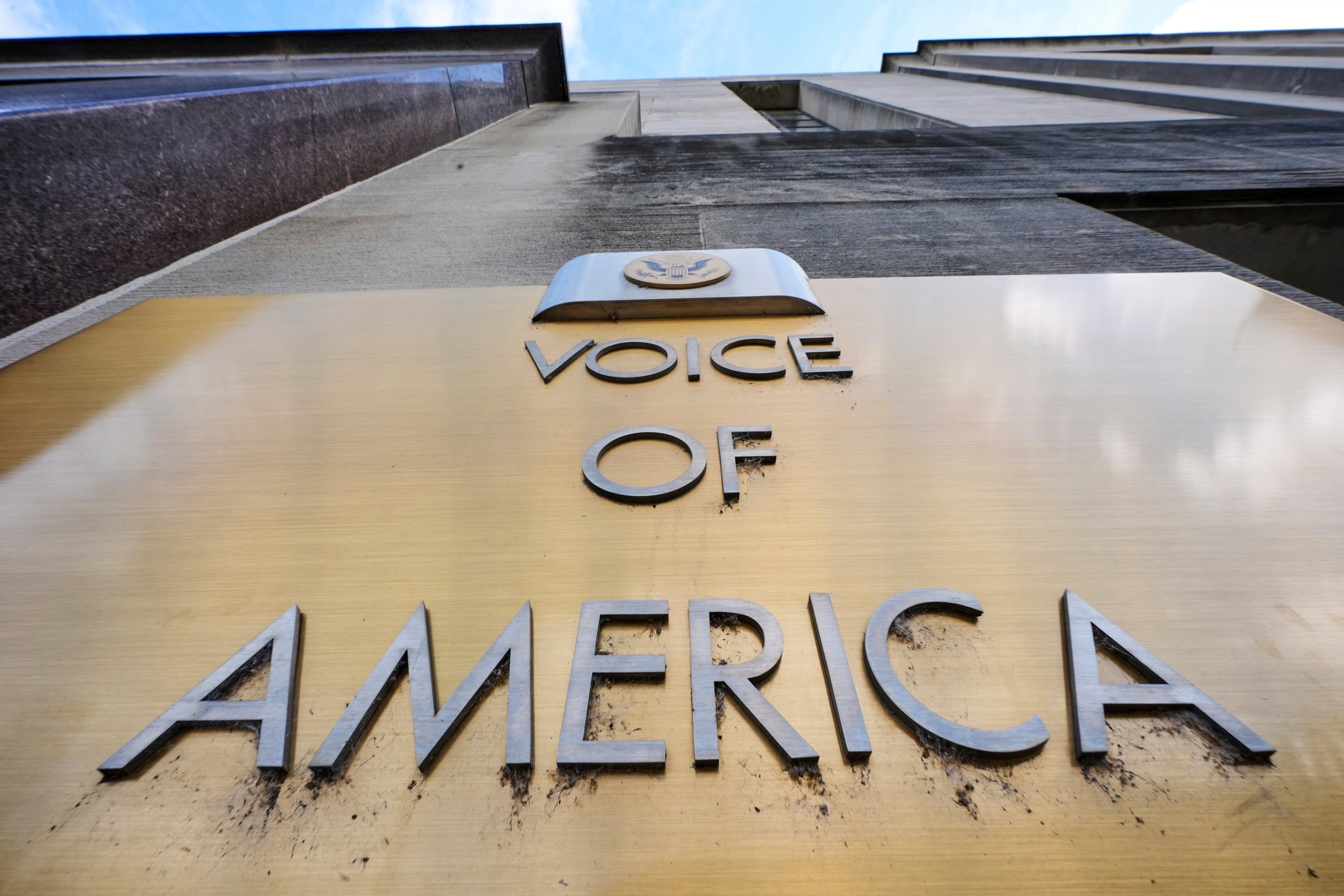
The problem, Bosco writes, is that Trump's own reorganization mania undermined that goal. Last year, the administration gutted strategic communications agencies like Voice of America and its parent, the U.S. Information Agency—the very tools that helped win the Cold War by broadcasting truthful information behind the Iron Curtain. That lost the opportunity to fortify and enable Iranians against their tyrannical regime.
Now, thanks to the court ruling, help is on the way. The D.C. court ordered that former Voice of America employees be reinstated and the information programs they ran be restored. 'It is now up to Trump to seize the renewed opportunity that fate has placed in his hands,' Bosco writes.
The stakes are high. As North Korea demonstrated, once a hostile regime obtains even one nuclear bomb, it can deter further U.S. action and build a larger stockpile. With Iran's regime still in power, thousands of Iranians have been killed since the strikes, despite Trump's promise that 'help is on its way.'
Bosco argues that a highly motivated group of government workers—information experts working with intelligence agencies—could provide Iranians with the means to bring about regime change. 'It is 47 years too late for the generations of Iranians who have suffered and perished under these brutal rulers,' he writes, 'but it is not too late for the current generations, and those yet to come.'
The ruling comes as Trump faces mounting political headwinds at home. His economic approval has plummeted, with 70% of voters expecting a recession, and inflation hit 3.8% in April, partly driven by the Iran war. Even as Europe remains unmoved by Trump's troop cuts, the administration sees an opening to refocus on Tehran.
Bosco, now a nonresident fellow at the Institute for Corean-American Studies and a member of the Vandenberg Coalition's advisory board, concludes that the court has handed Trump a chance to accomplish what the last six presidents tried and failed to do: bring down the Iranian regime.