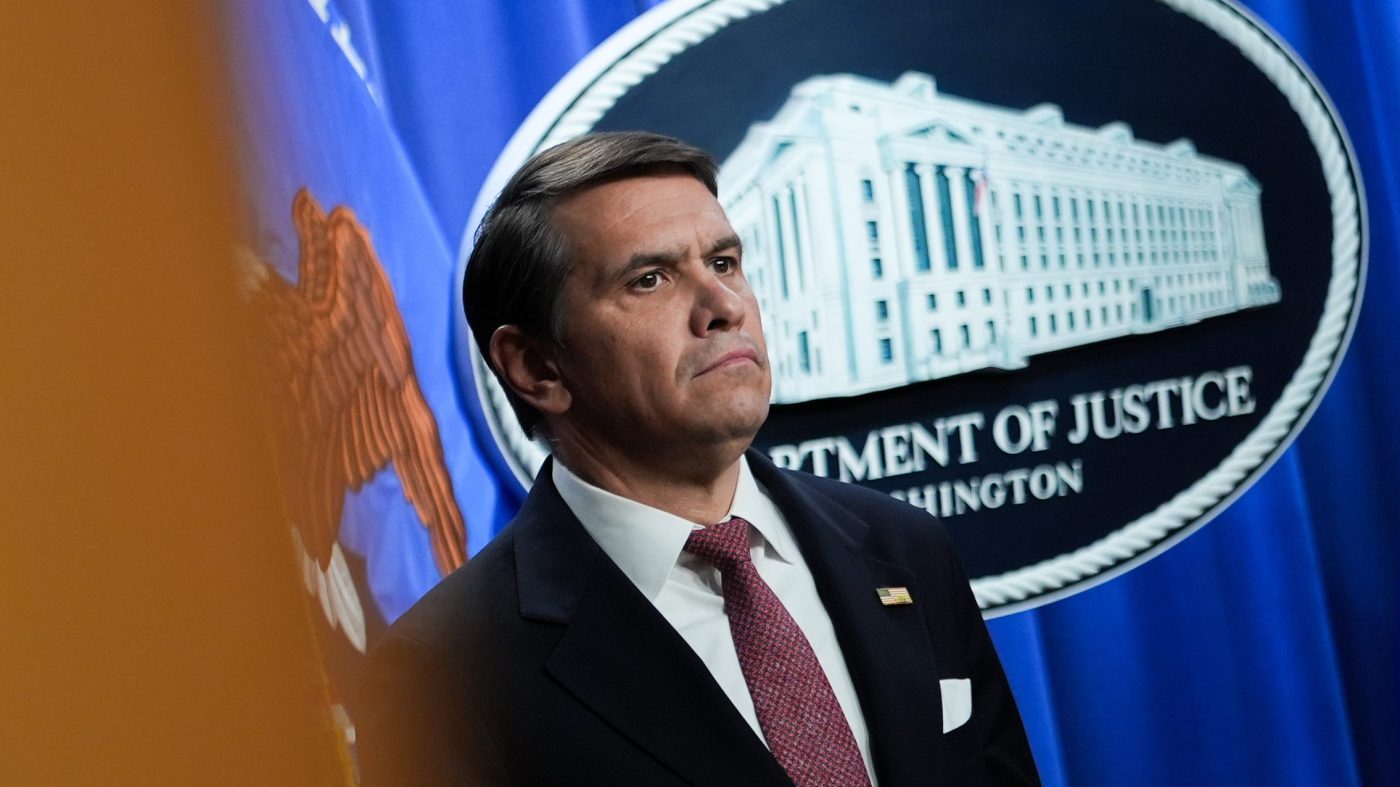
Acting Attorney General Todd Blanche has put journalists on notice: receiving leaked classified information could land them with a subpoena, as the Trump administration intensifies its pressure on news outlets covering sensitive national security matters.
In a statement posted to social media Tuesday, Blanche declared that prosecuting leakers who disclose state secrets to reporters is a top priority. “Any witness, whether a reporter or otherwise, who has information about these criminals should not be surprised if they receive a subpoena about the illegal leaking of classified material,” he wrote.
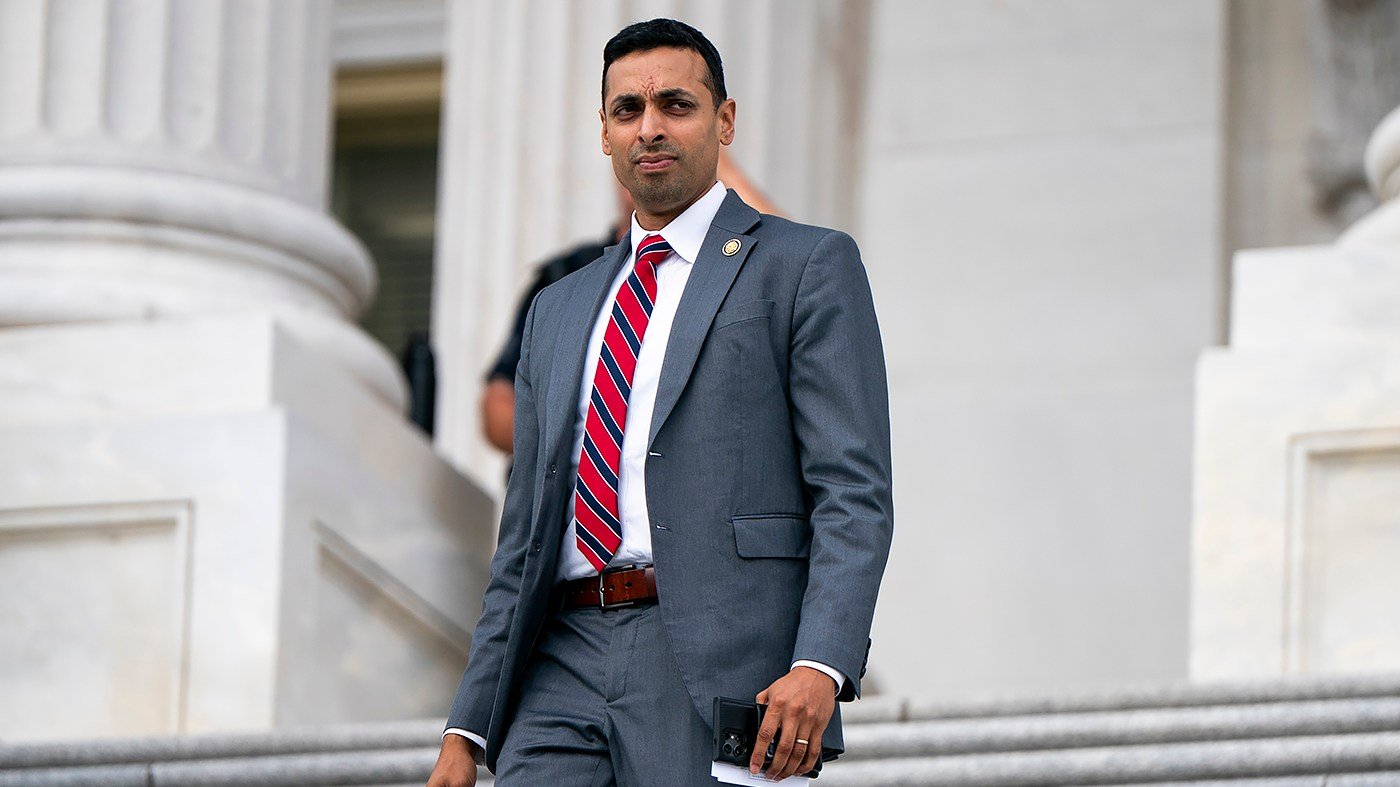
The warning follows a Wall Street Journal report that President Trump complained about leaks concerning U.S. military operations in Iran. According to the report, Trump handed Blanche a stack of news articles he and other senior officials deemed threatening to national security, with a sticky note reading “treason.” Blanche then vowed to secure subpoenas targeting reporters who have worked on sensitive national security stories.
This escalation has ignited First Amendment and press freedom concerns during Trump's second term. Critics argue that threatening subpoenas against journalists for doing their jobs—receiving information from confidential sources—chills investigative reporting and undermines democratic accountability.
The White House has aggressively pushed back on coverage of the ongoing conflict, insisting media outlets focus too heavily on the war's economic toll and not enough on military successes in the Middle East. The administration's stance mirrors earlier actions by former Attorney General Pam Bondi, who similarly promised to pursue leakers. Blanche replaced Bondi this spring.
This isn't the first time the administration has targeted leaks. In a related development, Hegseth accused Kelly of leaking classified data in a TV interview, highlighting a pattern of internal battles over information control.
Legal experts warn that subpoenaing reporters could spark protracted court battles over press protections. The Justice Department's internal guidelines traditionally require exhaustion of alternative avenues before targeting journalists, but Blanche's statement suggests a more aggressive posture.
Meanwhile, the administration's broader crackdown extends beyond leaks. For instance, the Arcadia mayor pleaded guilty to acting as an unregistered Chinese agent, underscoring national security concerns that officials use to justify tighter information controls.
As the conflict in the Middle East continues, the tension between press freedom and national security is likely to intensify. Journalists covering the war face not only physical risks but now legal ones at home, as the Trump administration seeks to stem the flow of classified information to the public.