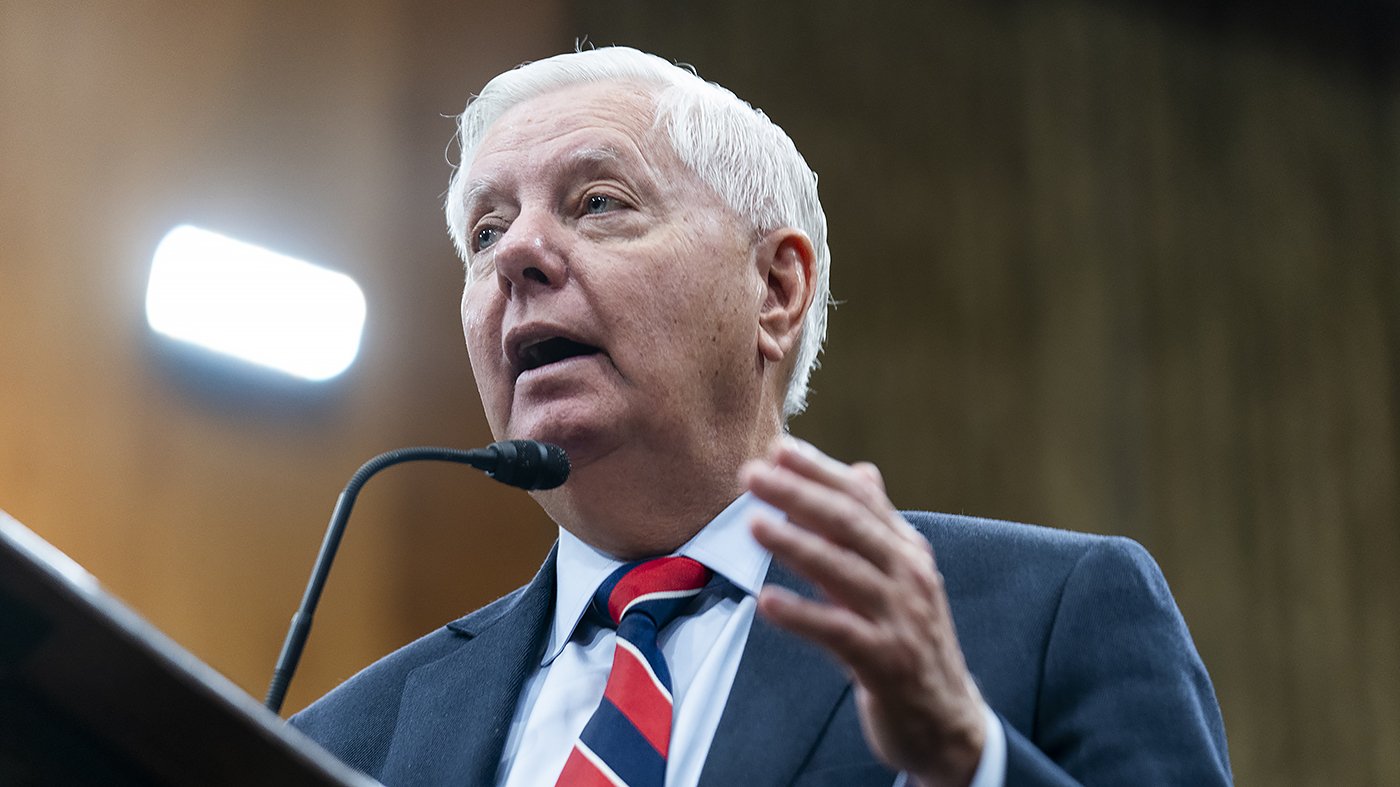
Sen. Lindsey Graham (R-S.C.) on Monday demanded a full reassessment of Pakistan's role as a mediator in U.S.-Iran peace negotiations, following a CBS News report that Islamabad may have allowed Iranian military aircraft to operate from its airfields, potentially shielding them from American airstrikes.
According to U.S. officials briefed on the matter, Pakistan permitted Iranian planes to use facilities like Nur Khan Air Force Base, raising concerns about Islamabad's neutrality in talks aimed at ending the conflict between Washington and Tehran.

“If this reporting is accurate, it would require a complete reevaluation of the role Pakistan is playing as mediator between Iran, the United States and other parties,” Graham wrote on X, formerly Twitter. He added that he would not be surprised if the report proved true, citing previous statements by Pakistani defense officials critical of Israel.
Pakistan’s Ministry of Foreign Affairs pushed back on Tuesday, calling the CBS report “misleading and sensationalized.” Officials acknowledged that Iranian aircraft had been in the country but insisted they arrived only after a ceasefire was in place, to shuttle diplomatic personnel, security teams, and administrative staff involved in the Islamabad talks. “Some aircraft and support personnel remained temporarily in Pakistan in anticipation of subsequent rounds of engagement,” the ministry said, adding that the planes “bear no linkage whatsoever to any military contingency or preservation arrangement.”
Pakistan has positioned itself as a key intermediary in U.S.-Iran negotiations, with Prime Minister Shehbaz Sharif and military chief General Asim Munir both taking active roles in brokering the extended ceasefire. The first round of talks was hosted in Islamabad last month, though a second round collapsed before it could begin.
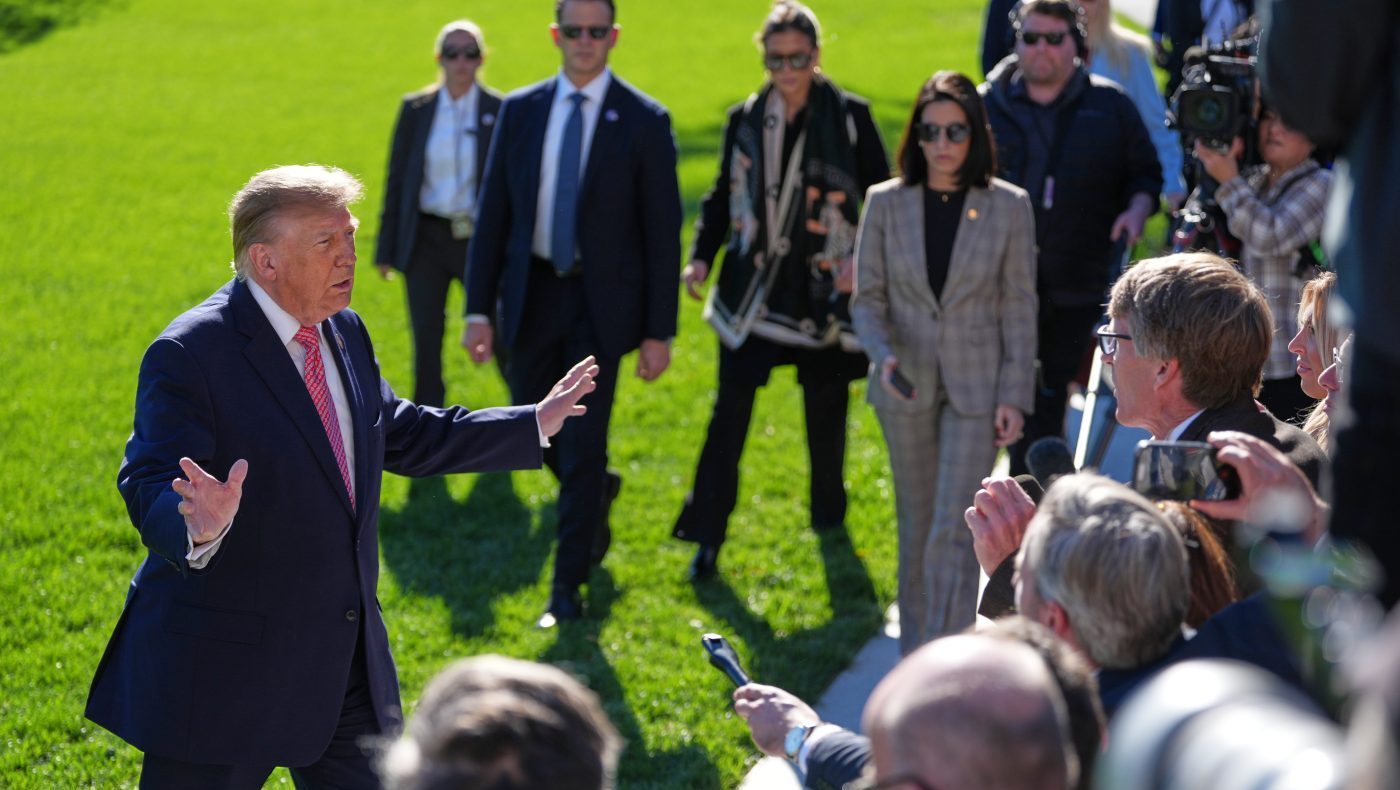
The controversy comes as President Donald Trump paused the U.S. military operation “Project Freedom” last week, partly at the urging of Pakistan and other countries, after submitting a new peace proposal. Iran responded with a counteroffer that included demands the Trump administration had omitted from its latest deal. Trump dismissed the proposal as “TOTALLY UNACCEPTABLE” on Sunday, warning that Iran would be “laughing no longer.”
Iranian Parliament Speaker Mohammad Bagher Qalibaf, the country’s top negotiator, urged the U.S. to accept Tehran’s 14-point proposal, which calls for a 30-day de-escalation, withdrawal of American forces from Iran, lifting of sanctions on Iranian assets, reparations, a halt to fighting in Lebanon, and a new governance framework for the Strait of Hormuz. “More American taxpayers will pay for it” if Washington refuses, Qalibaf warned.
The dispute threatens to unravel the fragile diplomatic track even as Graham and other lawmakers have pushed for a tougher line. The South Carolina senator recently shifted his stance on Iran, advocating for airstrikes on Kharg Island rather than a ground war. Now, he is questioning whether Pakistan can be trusted to continue its mediating role.
Pakistan’s foreign ministry defended its record, describing the country as an “impartial, constructive, and responsible facilitator in support of dialogue and de-escalation.” But with the peace process stalled and Trump threatening retaliation, the credibility of Islamabad’s mediation is under intense scrutiny.