Reports that President Trump is weighing a deal permitting China to invest $1 trillion in the United States have ignited a firestorm among conservative Republicans, with prominent voices like former Representative Marjorie Taylor Greene and Fox News host Laura Ingraham sounding the alarm.
According to Bloomberg, China proposed last October to dramatically increase its investment in American factories and infrastructure. In return, the Trump administration would ease national security restrictions on Chinese acquisitions and offer tariff relief for any manufacturing facilities built on U.S. soil.
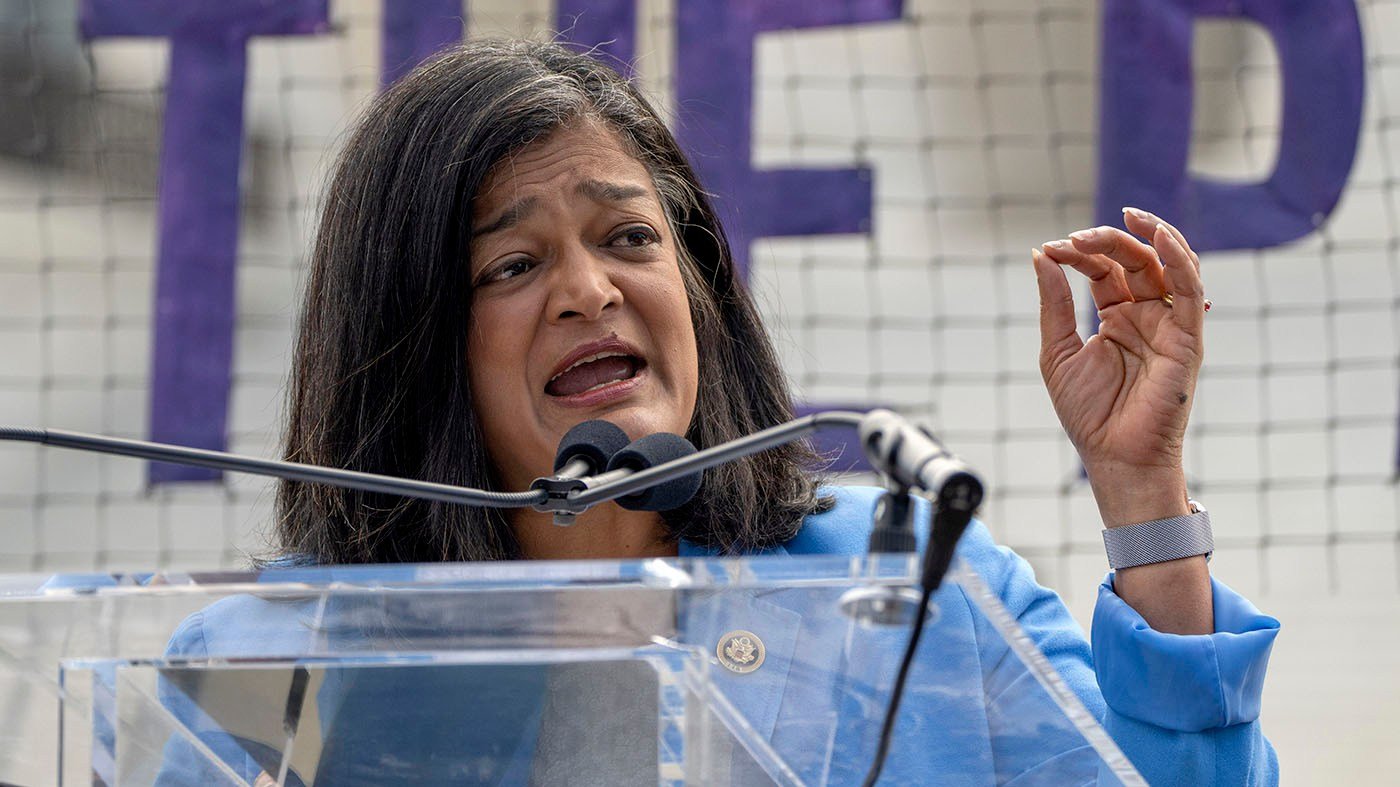
Greene took to X on Monday to call the idea “shocking,” linking it to the ongoing conflict with Iran. “The war in Iran must be going worse than we know as the Strait remains closed,” she wrote. “So much so that China may be allowed to build $1 Trillion in factories in the U.S. probably in exchange for help with Iran.” She added, “I’m old enough to remember when MAGA was demanding China not be allowed to own any land in America. But MAGA is whatever Trump says it is, according to him, so now it’s for foreign wars and China.”
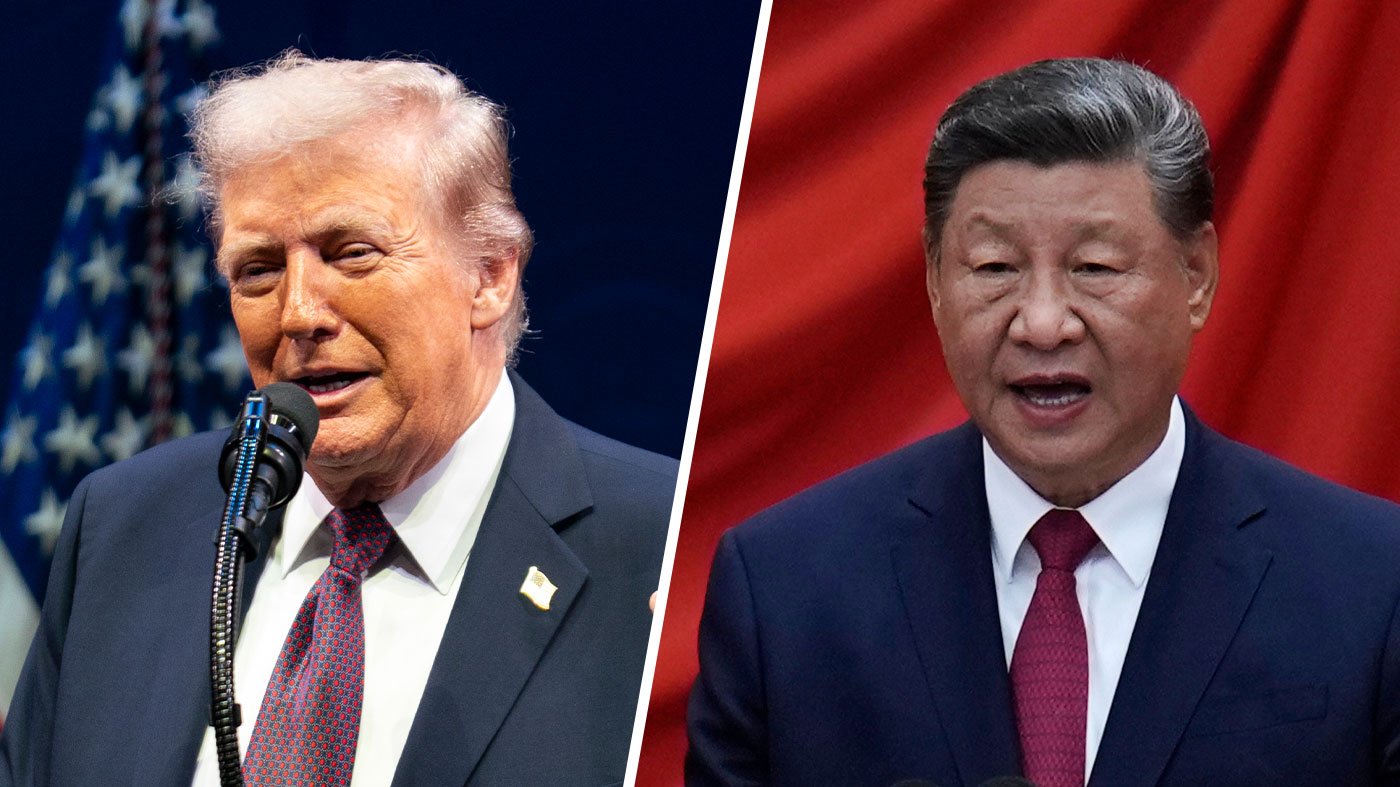
Greene’s post was a response to Ingraham, who shared the Bloomberg report with two exclamation marks. Independent journalist Megyn Kelly also reacted with a simple “Omg.” The deal has reemerged as a hot topic ahead of Trump’s trip to Beijing this week for a high-stakes meeting with President Xi Jinping, where trade, Taiwan, and the Middle East war are expected to dominate the agenda.
GOP Critics Warn of National Security Risks
New York Times columnist Oren Cass warned in a Friday op-ed that Trump “may be on the verge of tying the United States to China irrevocably.” He described the $1 trillion investment scenario as “an unforced error of world-historic proportions” if it goes through. “Even a fraction of that amount would blow apart what remains of our economic defenses, weakening national security and supply-chain resilience, handing the Chinese Communist Party a powerful tool with which to subvert our market, undermining the basic logic of the president’s own trade agenda and kneecapping our efforts at rebuilding domestic industry,” Cass wrote.
Cass, chief economist at the conservative think tank American Compass, claimed Trump is considering the infusion despite skepticism from officials inside his administration, including Commerce Secretary Howard Lutnick and U.S. Trade Representative Jamieson Greer.
The prospect also drew sharp criticism from conservative author Gordon Chang, who has long warned against Chinese influence. “China’s regime will use investments in America to subvert and destroy our country,” Chang wrote on X. “Do not allow our enemy more bases of subversion here.”
MAGA Base Split on China Policy
China has been a central focus of MAGA foreign policy under Trump, with many in his core base viewing Beijing as the most consequential long-term threat to U.S. economic, technological, and military power. The potential deal, however, has exposed fractures within that coalition, as some supporters question whether Trump is abandoning his tough-on-China stance. The controversy comes amid broader economic anxieties; a recent poll showed Trump’s economic approval plummeting as 70% of Americans now expect a recession.
The deal also intersects with the Iran conflict, as Greene and others suggest China may be offering investment in exchange for diplomatic help with Tehran. A recent court ruling could hand Trump a path to regime change in Iran, further complicating the geopolitical calculus. Meanwhile, the Iran war has pushed April inflation to 3.8%, hitting Trump ahead of midterms, adding economic pressure to any deal with Beijing.
As Trump prepares to meet Xi, the fate of this trillion-dollar proposal remains uncertain. Critics argue it would undermine U.S. supply-chain resilience and hand China a powerful lever over American industry, while supporters—if any remain—have yet to mount a public defense. For now, the backlash from the president’s own base suggests this deal faces an uphill battle.