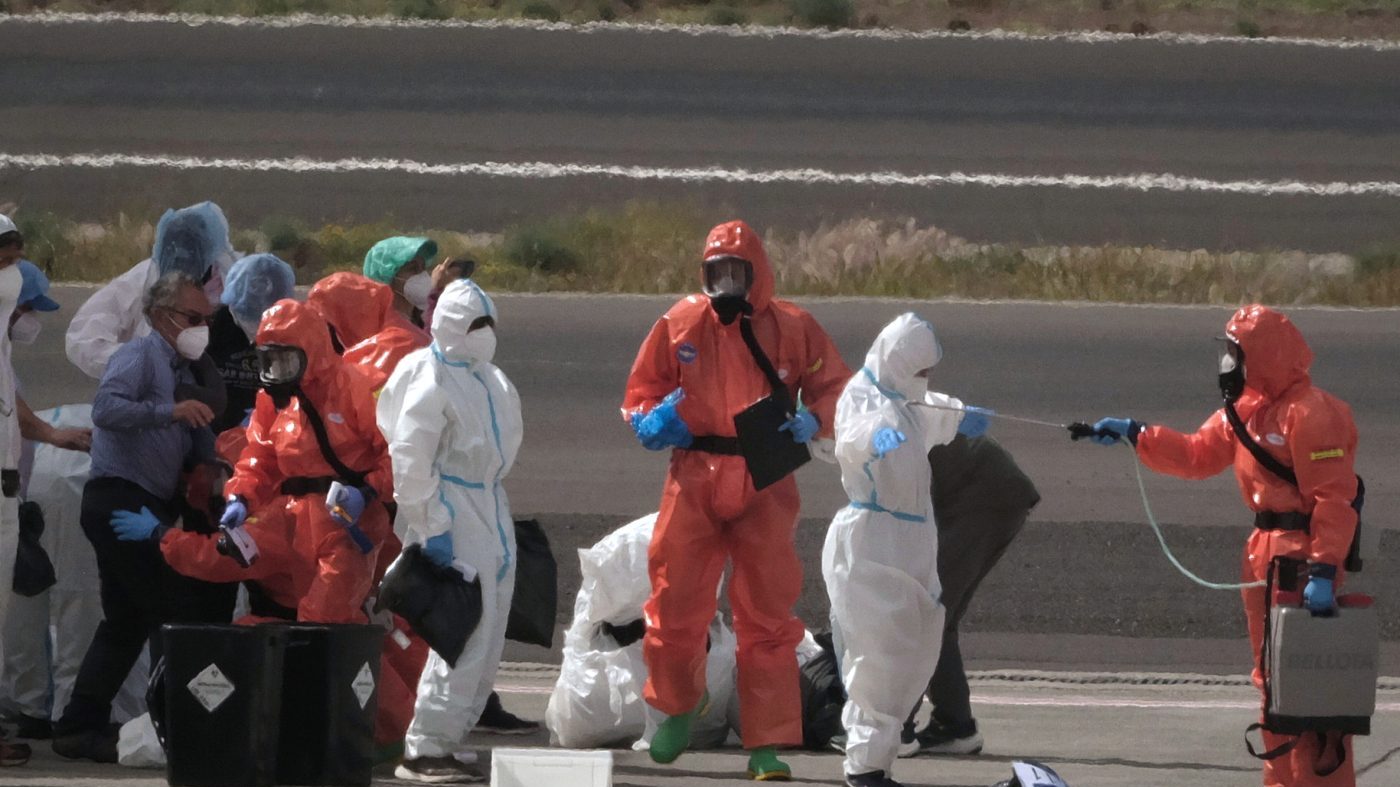
An outbreak of hantavirus aboard a cruise ship has triggered fears of a new pandemic, but public health officials are emphasizing that the virus differs significantly from COVID-19 in ways that limit its potential to spread widely.
The incident, which has led to evacuations and quarantines, has drawn inevitable comparisons to the early days of the coronavirus pandemic. However, experts point to several critical distinctions that make hantavirus far less likely to cause a global health crisis.

Incubation Periods Diverge
One major difference lies in how long it takes for symptoms to appear after exposure. COVID-19 typically has an incubation period of about two weeks. In contrast, the Andes strain of hantavirus can take up to 42 days to manifest symptoms. That extended window means people who may have been exposed need to monitor their health for a much longer period, complicating containment efforts but also reflecting the virus's slower onset.
Transmission and Contagiousness
Both COVID-19 and the Andes hantavirus can spread from person to person, but their modes of transmission are not equally efficient. COVID-19 is far more contagious, spreading easily through respiratory droplets and aerosols in everyday settings. Hantavirus, by contrast, requires close and prolonged contact between individuals, making it much harder for the virus to propagate through a population. As health officials have stressed, the risk of a hantavirus-driven pandemic remains low.
Asymptomatic Spread Unknown
A key factor behind COVID-19's rapid spread was its ability to be transmitted by people who were not yet showing symptoms or who never developed symptoms at all. Whether the Andes virus can be spread asymptomatically is still unknown, adding another layer of uncertainty but also suggesting it lacks one of the most dangerous features of the coronavirus.
Mortality Rates Contrast Sharply
While COVID-19 has a mortality rate of roughly 1% in the United States, the Andes hantavirus is far deadlier, with a mortality rate as high as 39.8%. That stark difference underscores why any outbreak is taken seriously, but it also highlights that hantavirus is less transmissible and therefore less likely to cause mass casualties.
Scientific Knowledge Gap
When COVID-19 emerged, scientists were dealing with a novel virus, learning about its behavior and spread in real time. Hantaviruses, in contrast, have been studied for decades. Researchers already have a substantial body of knowledge about how to treat patients and prevent infections, which gives public health authorities a significant advantage in responding to outbreaks. As noted in recent reports, the CDC has activated its lowest emergency level for the current situation, reflecting the contained nature of the threat.
Despite the differences, the outbreak has prompted political reactions. Some officials have sought to downplay the risk, while others have called for heightened vigilance. The episode serves as a reminder that even viruses with lower pandemic potential can still pose serious local risks, particularly in confined settings like cruise ships.
For now, public health experts advise that the general public remains at low risk, but they continue to monitor the situation closely. The key takeaway is clear: hantavirus and COVID-19 are not the same, and the factors that made COVID-19 a global catastrophe are largely absent in this case.