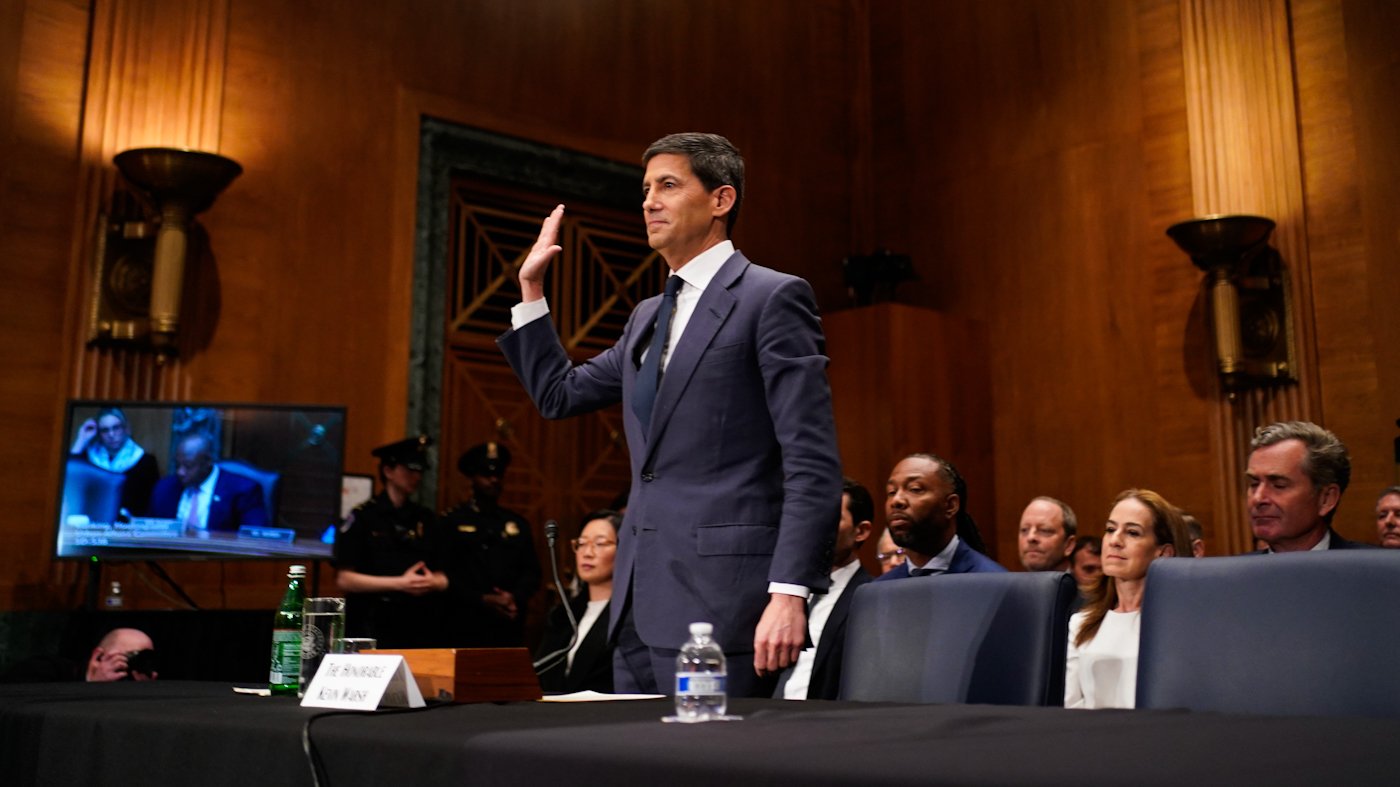
The Senate voted Tuesday to confirm Kevin Warsh to the Federal Reserve’s board of governors and separately advanced his nomination to become the central bank’s next chairman, giving President Trump’s pick substantial sway over the direction of interest rates.
The tally was 51-45 on both votes, with every Republican present supporting Warsh. The only Democrat to cross party lines was Senator John Fetterman of Pennsylvania, a centrist who has occasionally broken with his party on key nominations. The votes effectively clear the way for Warsh to succeed Jerome Powell, whose term as Fed chair expires May 15, though Powell will remain on the board until 2028.
Warsh’s confirmation ends a months-long standoff between Trump and Senator Thom Tillis, a North Carolina Republican on the Banking Committee. Tillis had blocked Warsh’s nomination to pressure the Justice Department to drop its criminal investigation into Powell over testimony about the costly renovation of the Fed’s Washington headquarters. The department announced late last month it would end the probe, allowing Warsh to move forward.
Warsh, 55, served on the Fed board from 2006 to 2011, earning a reputation as an inflation hawk. He previously worked as a special assistant to President George W. Bush for economic policy and played a key role in crafting the Fed’s response to the 2008 financial crisis. His return comes as Trump has repeatedly pressed the central bank to slash rates to counteract headwinds from global tariffs and rising energy prices.
During his confirmation hearing, Warsh faced sharp questioning from Senate Democrats about whether he would resist White House pressure on monetary policy. He testified that preserving the Fed’s independence is paramount and told lawmakers he had not struck any deal with Trump on rates. “I take my responsibility to be an independent leader of the Federal Reserve very seriously, if confirmed by this body,” he said in April. “I take the integrity of the office and my personal integrity very seriously.”
Senator Elizabeth Warren pressed Warsh on his ownership of roughly $100 million in assets that were not initially disclosed, asking whether any were tied to Trump, his family, money-laundering operations, or Chinese-controlled firms. Warsh said he had worked “tirelessly” with the Office of Government Ethics to ensure compliance with ethics rules.
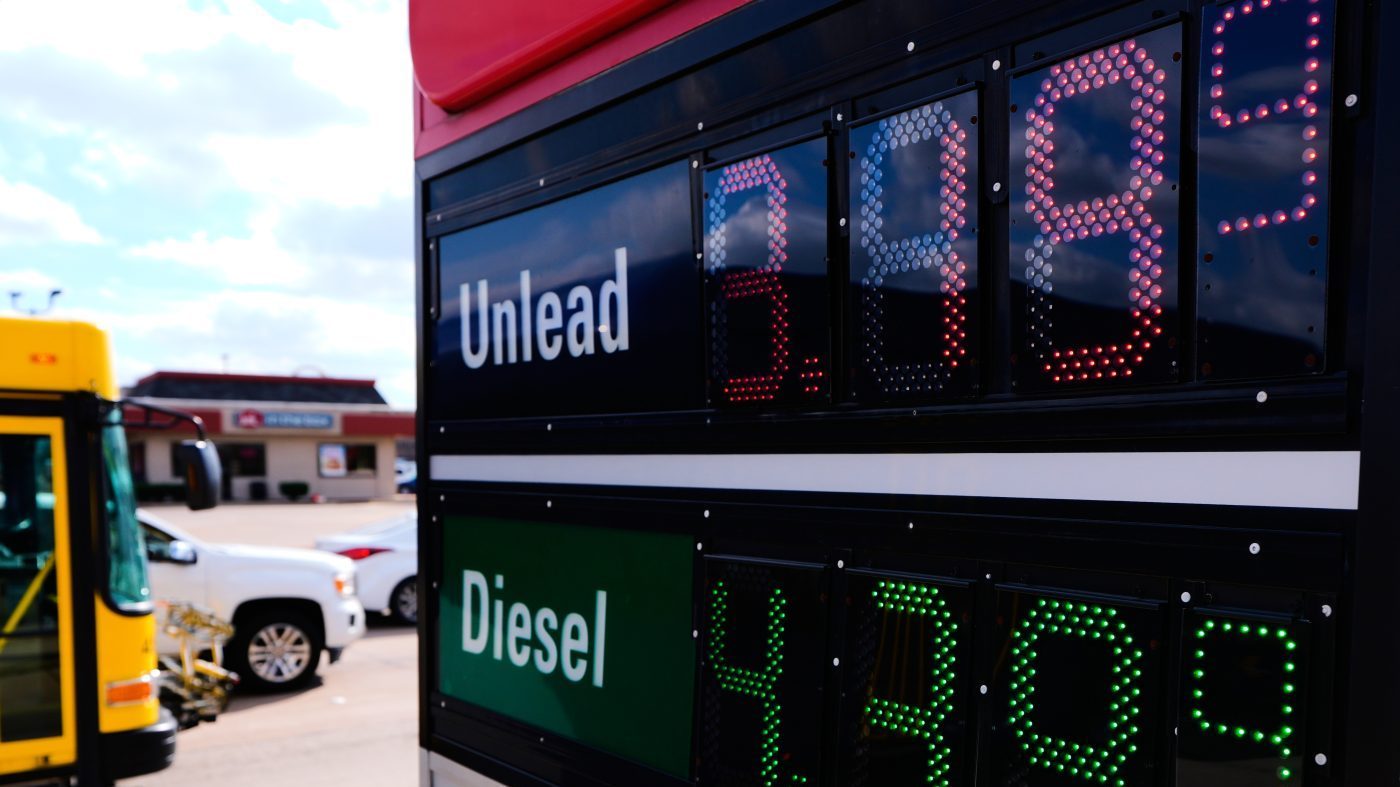
The confirmation comes as Trump’s economic approval ratings have slumped, with polls showing 70% of Americans now expect a recession. Warsh will inherit a Fed navigating both domestic political pressure and global instability, including the impact of the ongoing Iran conflict, which has pushed April inflation to 3.8%—a fresh headache for the White House ahead of the midterms.
Warsh’s elevation also signals a shift in the Fed’s approach, as he is seen as more willing to prioritize price stability over growth than Powell, who has clashed repeatedly with Trump over the pace of rate cuts. The vote underscores the GOP’s unified support for Trump’s economic agenda, even as a small number of Democrats have occasionally broken ranks on key nominations.