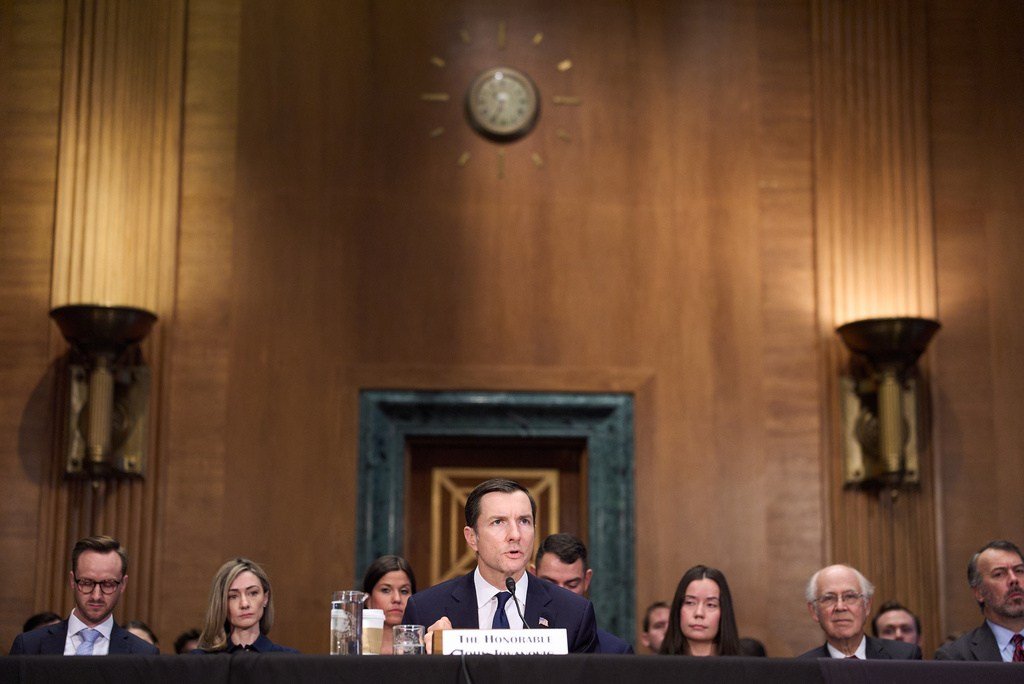
FBI Director Kash Patel confirmed to the Senate Intelligence Committee this week that the Bureau purchases commercially available data capable of tracking American citizens' movements and location histories. When pressed by Senator Ron Wyden (D-Ore.) on whether the FBI would cease this surveillance practice, Patel offered no commitment, highlighting a growing constitutional debate over digital privacy.
The exchange centered on what Wyden termed the "data broker loophole," a legal gray area permitting government agencies to acquire sensitive personal information from commercial vendors without obtaining a warrant. This practice parallels concerns surrounding Section 702 of the Foreign Intelligence Surveillance Act (FISA), which allows data collected for foreign intelligence to be subsequently searched by domestic law enforcement, also without judicial oversight. These mechanisms, critics argue, constitute significant erosions of Fourth Amendment protections against unreasonable search and seizure.
The Scale and Scope of Warrantless Surveillance
The intelligence community has long operated on a legal theory that once personal data is held by a third-party company, constitutional protections no longer apply. This interpretation allows for the bulk collection of emails, call logs, browsing histories, and financial transactions. Data brokers compile these disparate points into comprehensive profiles, creating detailed dossiers on millions of law-abiding Americans.
"The scale is staggering," said one congressional aide familiar with the legislation. "This isn't targeted surveillance of suspects. It's the potential for mass surveillance of ordinary life—tracking attendance at school board meetings, monitoring financial purchases that could imply political leanings, or reconstructing months of movement. Advancements in artificial intelligence only magnify these capabilities."
A History of Abuse and the Push for Reform
Advocates for reform point to documented misuse of surveillance authorities. Declassified court opinions reveal millions of improper queries of Americans' data under Section 702 in a single year. These searches have reportedly targeted political donors, journalists, and public officials, including figures associated with the 2016 Trump campaign. The pattern has fueled bipartisan concern about unchecked executive power.
In response, a coalition of lawmakers including Rep. Warren Davidson (R-Ohio), Rep. Zoe Lofgren (D-Calif.), Sen. Ron Wyden, and Sen. Mike Lee (R-Utah) introduced the Government Surveillance Reform Act. The bill represents the most ambitious overhaul of federal surveillance law in decades. It proposes a four-year reauthorization of the critical foreign intelligence tool, Section 702, which is set to expire on April 20, but couples it with substantial new privacy safeguards.
Key Provisions of the Proposed Legislation
- Warrant Requirement: Mandates that the government obtain a warrant before intentionally searching an American's private communications for domestic law enforcement purposes.
- Closing the Data Broker Loophole: Explicitly bans federal agencies from purchasing Americans' personal data from commercial brokers if acquiring that same information directly would require a warrant.
- Preserving Foreign Intelligence: Maintains the ability for incidental collection of communications when Americans are in contact with foreigners under legitimate foreign intelligence surveillance.
The legislative push comes amid broader national security tensions, including escalating threats in the Middle East that underscore the value of foreign intelligence tools. Proponents argue the reforms strike a necessary balance, preserving vital security capabilities while restoring constitutional guardrails.
"Director Patel's testimony was a stark admission," Davidson stated. "The FBI told the country, under oath, that it buys your location data and wouldn't promise to stop. Every member of Congress now faces a choice: pass reforms that honor the Constitution or tell the American people their Fourth Amendment rights are for sale."
The debate over surveillance powers often intersects with other constitutional crises, such as the recurring political discussions surrounding the 25th Amendment. However, the immediate deadline forces a standalone reckoning on privacy. While the Biden administration has implemented some administrative reforms at the FBI, lawmakers argue only permanent, statutory change can repair damaged public trust.
As the expiration clock ticks down, the path forward remains uncertain. The bipartisan coalition behind the reform act hopes the combination of a must-pass reauthorization and the FBI's public admission will create sufficient momentum. The coming days will test whether Congress can reconcile national security imperatives with foundational privacy rights in the digital age.