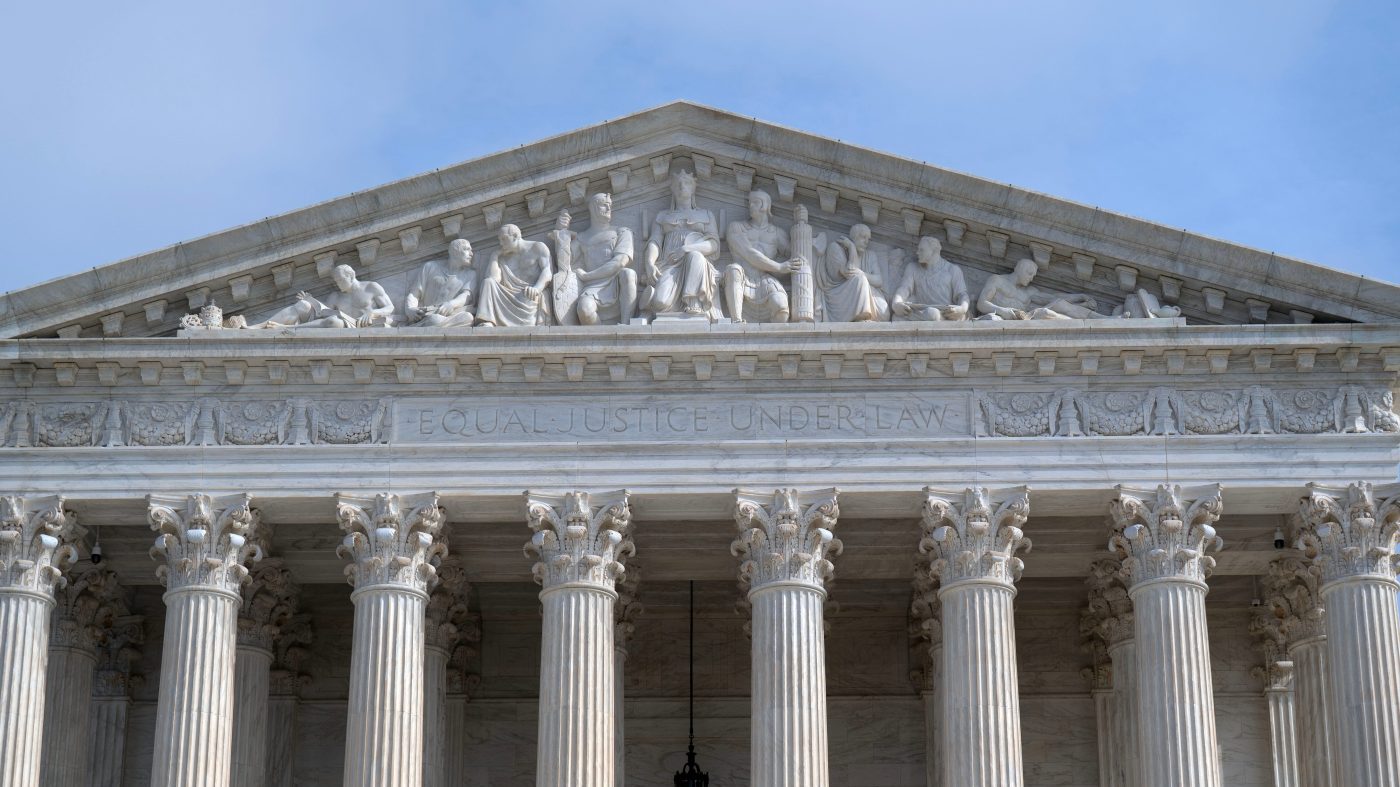
During recent oral arguments, Chief Justice John Roberts delivered a telling remark that signals the Supreme Court's conservative majority is unlikely to overturn the long-standing principle of birthright citizenship. “Well, it’s a new world. It’s the same Constitution,” Roberts stated, responding to arguments from Solicitor General John Sauer about modern immigration patterns. This judicial skepticism suggests a likely defeat for the administration's position in the landmark case, which could determine citizenship status for millions.
A Conservative Court Adheres to Precedent
The case, which centers on the interpretation of the 14th Amendment's Citizenship Clause, pits contemporary policy concerns against more than a century of legal precedent. Sauer argued that the framers of the amendment could not have anticipated modern realities where “eight billion people are one plane ride away from having a child who’s a U.S. citizen.” Despite this, the conservative justices, including three Trump appointees, appear bound by a textualist approach that leaves little room for overturning settled doctrine based on policy preferences.

President Trump has publicly criticized the justices as “disloyal,” but their questioning reflects a judicial philosophy he ostensibly sought in his nominees: restraint. Justices Brett Kavanaugh, Neil Gorsuch, and Amy Coney Barrett have demonstrated a focus on the underlying law rather than political outcomes. In what some legal scholars call a “default case,” where the historical record is complex, conservative jurists typically avoid expansive new interpretations, opting instead for judicial minimalism.
The Case for a 28th Amendment
With the Court poised to uphold the current interpretation, the article argues the definitive solution lies not with the judiciary but with the public through the amendment process. The author contends that birthright citizenship has been widely gamed, citing organized “birth tourism” industries from countries like China, and creates an “existential threat” when combined with lax border enforcement. Most other developed nations, the piece notes, have abandoned the practice.
The core question, framed through a historical lens, is the definition of American citizenship itself. The author references the nation's founding as a republic of ideas, asking what it means to be American if citizenship can be obtained through a mere tourist visa or illegal entry. This debate touches on broader constitutional tensions, similar to those seen in other areas where executive power tests foundational limits.
The push for an amendment seeks to “reclaim our own birthright” and formally align the United States with international norms. Proponents argue that controlling both borders and the qualifications for citizenship is fundamental to any republic's survival. They reject the notion that being a “nation of immigrants” requires accepting a system they view as easily exploited.
Political and Constitutional Crossroads
The anticipated Court ruling this summer is unlikely to settle the political debate. Instead, it may galvanize a movement for a 28th Amendment, positioning the 250th anniversary of the Declaration of Independence as a symbolic moment to reaffirm citizenship. The article concludes that while the justices may be bound by “the same Constitution,” the people retain the ultimate power to change it, framing the birthright citizenship issue as one of the most critical facing the republic.
This legal battle underscores how fundamental governance questions are increasingly resolved at the intersection of law and politics. As seen in partisan reactions from legal institutions and the executive's strained relationship with the judiciary it shaped, the fight over citizenship reveals deep fissures in America's constitutional order.