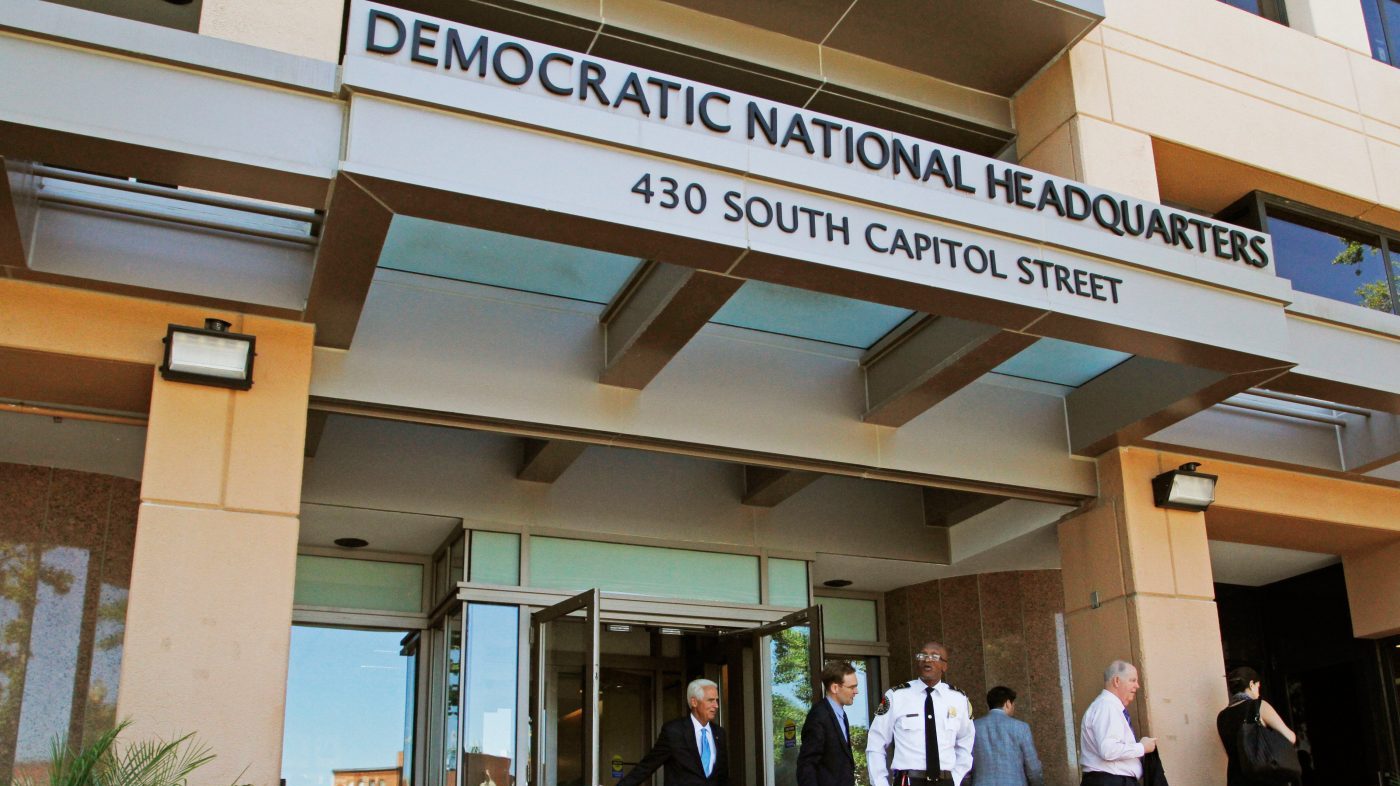
A key Democratic National Committee panel has rejected a direct challenge to the American Israel Public Affairs Committee's political influence, voting against a resolution that specifically condemned the pro-Israel lobby's campaign spending in Democratic primaries.
The DNC's resolutions committee, meeting in New Orleans, killed the measure during the party's spring gathering. The proposed text had highlighted what it called "the growing influence" of opaque, corporate-backed political expenditures, with particular focus on AIPAC's activities. The resolution would have been symbolic, carrying no binding authority, but its consideration reflected mounting scrutiny of the lobby's role in Democratic politics.
The failed resolution, submitted by Florida DNC member Allison Minnerly, argued that massive outside spending to reward or punish candidates based on foreign policy stances "raises concerns about undue influence over democratic debate and policymaking." It pointed specifically to AIPAC's reported expenditure of approximately $14 million during last month's Illinois Democratic primaries as a case study.
That spending has prompted notable defections from AIPAC's traditional Democratic support. Illinois Governor JB Pritzker, a former donor to the group, publicly condemned its electoral involvement after the primaries. His criticism aligns with a broader, if still emerging, trend of Democrats distancing themselves from the lobby over its aggressive campaign tactics. This internal tension mirrors other fractures within the party, such as when Senator John Fetterman broke ranks on a key Iran war powers vote, showcasing the complex foreign policy debates unfolding.
While the panel rejected the AIPAC-specific measure, it did recommend a broader resolution condemning the influence of undisclosed "dark money" in the 2026 Democratic primary elections. This alternative text did not name AIPAC explicitly but called for "robust" campaign finance transparency and stated that the DNC "reaffirms its commitment to campaign finance practices that align with the Party's core values." The committee stipulated that these principles "shall inform the development of the 2028 Democratic Party Platform."
The outcome demonstrates that while a vocal segment of the party seeks a more confrontational stance toward AIPAC—an organization whose opposition to conditioning U.S. aid to Israel has made it a lightning rod—many DNC officials remain unwilling to formalize that position. The rejection means the resolution will not proceed to a final vote before the full DNC membership.
Nevertheless, AIPAC persists as a divisive force within Democratic ranks. The issue is inextricably linked to the party's deep internal debates over the Israel-Hamas war, which became a significant factor in the 2024 Democratic primaries. Widespread voter discontent with the Biden administration's Middle East policy manifested in substantial "uncommitted" protest votes in several state contests. These fundamental disagreements over coalition and direction are not isolated, as seen when figures like Abdul El-Sayed rally the party's progressive base, igniting debates over its future coalition.
The committee's decision underscores the ongoing struggle within the Democratic Party to reconcile its platform values with the practical realities of political fundraising and interest group influence. As the 2028 election cycle begins to take shape, with potential candidates like Pennsylvania Governor Josh Shapiro already signaling their ambitions and calling for a party-wide debate on direction, questions of foreign policy allegiance, donor influence, and ideological purity are likely to intensify rather than recede.