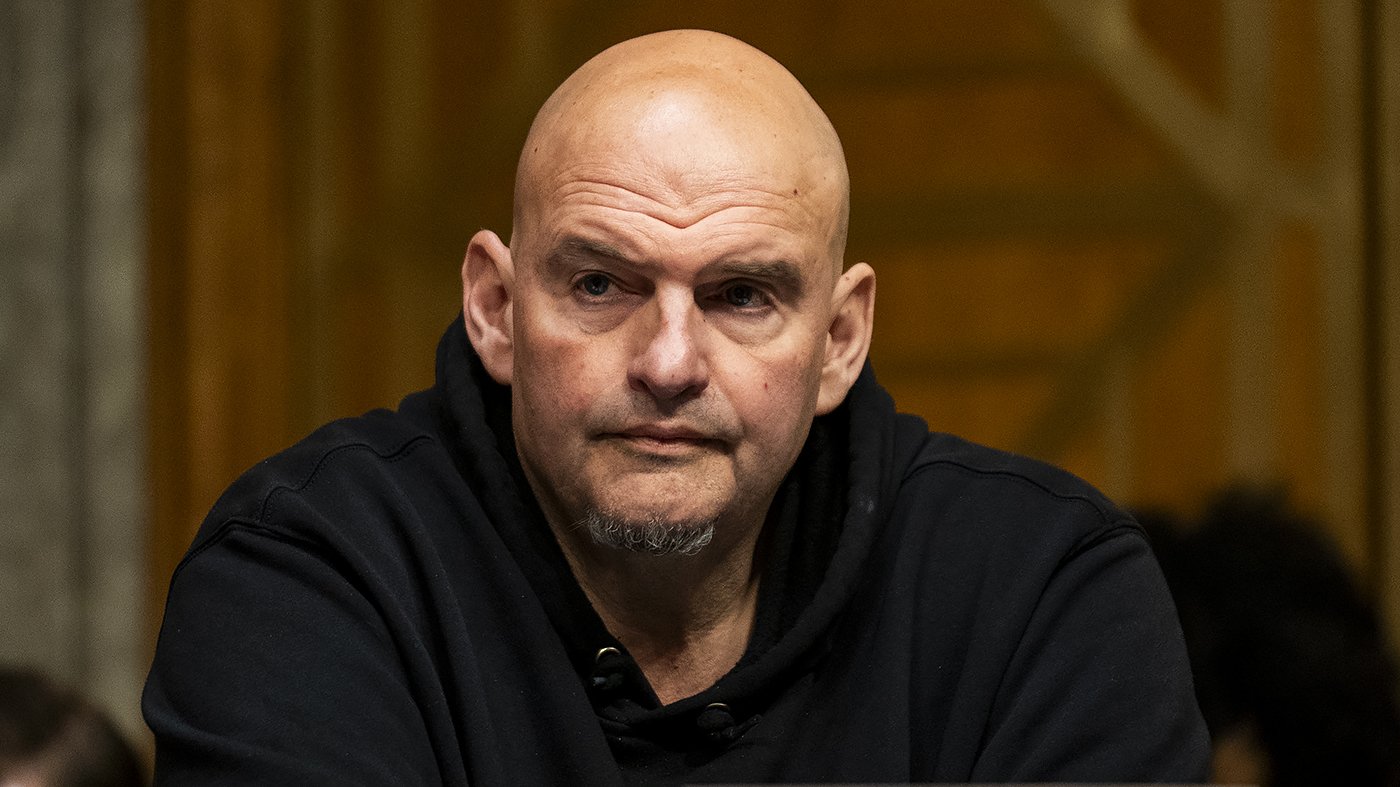
Senator John Fetterman of Pennsylvania declared Wednesday that he will oppose an upcoming war powers resolution aimed at curtailing U.S. military action against Iran, reaffirming a position that places him at odds with the majority of his Democratic colleagues. The announcement came shortly after Senate Minority Leader Chuck Schumer confirmed the chamber would vote on the measure next week.
A Clear Stance on National Security
In an interview on Fox News's 'Hannity,' Fetterman, a vocal supporter of Israel, stated he would vote 'no' on the resolution. "We have to stand with our military to allow them to accomplish the goals of Epic Fury," he told host Sean Hannity, referencing the ongoing U.S. operation. "I'm old enough to remember we used to root for our military, and we would all agree that Iran is the world's leading terrorism underwriter."
This stance is not new for the Pennsylvania Democrat. Last month, he was the only member of his party to vote against three separate war powers resolutions introduced by Democratic Senators Tim Kaine of Virginia, Cory Booker of New Jersey, and Chris Murphy of Connecticut. Those measures, which sought to halt military actions against Iran without explicit congressional authorization, all failed to pass.
Unusual Alliances and Constitutional Clash
The debate over war powers has created unusual political alignments. Senator Rand Paul, the libertarian-leaning Republican from Kentucky, was the sole GOP member to support the previous resolutions, having long criticized presidential overreach in authorizing military force. The issue sits at the heart of a constitutional struggle between the legislative and executive branches, a conflict that has intensified amid faltering ceasefire talks between Washington and Tehran.
Schumer, in pushing for the vote, argued Congress must "reassert" its constitutional authority to declare war. "All of this happens when one man, especially a man acting as unhinged as Donald Trump, has unchecked power to wage war," Schumer told reporters. "He backs himself into a corner with dangerous, escalating rhetoric. The entire world holds its breath, wondering what's next going to come out of his mouth."
Ceasefire Under Strain
The political maneuvering in Washington occurs against a backdrop of extreme tension. The Trump administration agreed to a fragile two-week ceasefire with Iran on Tuesday, but the deal appears tenuous. Iranian officials have accused Israel of violating the terms by continuing strikes in Lebanon, a charge that complicates diplomatic efforts. Prior to the ceasefire, President Trump issued a stark threat, warning that a "whole civilization will die" in Iran if conflicts escalated.
The situation in the region remains volatile, with Iranian officials warning that U.S. diplomacy is 'meaningless' if Israeli strikes persist. This external pressure adds urgency to the congressional debate over who controls the levers of military engagement.
Parallel Action in the House
Across the Capitol, House Democratic Leader Hakeem Jeffries of New York announced his caucus would attempt to pass its own war powers resolution by unanimous consent during a pro forma session scheduled for Thursday. This move represents a broader Democratic effort to challenge the administration's autonomy in conducting military operations, an effort that is part of a larger agenda as Congress returns to confront multiple high-stakes issues.
Fetterman's definitive opposition underscores a persistent divide within the Democratic Party on matters of national security and executive power. While most of his caucus seeks to rein in presidential war-making authority, Fetterman aligns with a more hawkish view, emphasizing support for the military's operational freedom and a hardline stance against Iran. This vote will test party unity and highlight the complex political calculations surrounding U.S. foreign policy in an election year.