Prominent Democratic figures are facing mounting criticism for their public associations with Hasan Piker, a polarizing online personality known for incendiary commentary, even as party leadership continues to condemn Republican ties to far-right extremists. The controversy highlights internal tensions over coalition-building and ideological boundaries within the Democratic Party.
Michigan Rally Sparks Backlash
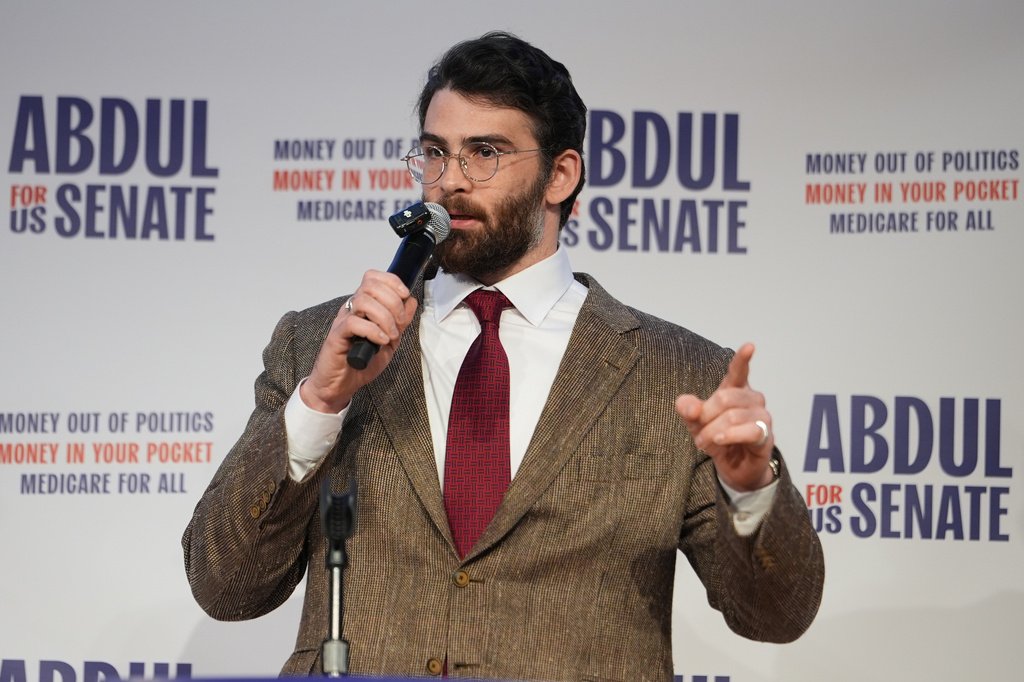
At a campaign event in Michigan this week, Democratic U.S. Senate candidate Abdul El-Sayed and Representatives Rashida Tlaib of Michigan and Summer Lee of Pennsylvania shared a stage with Piker. The streamer has previously stated that "America deserved 9/11" and expressed profound disdain for the country. Tlaib explicitly welcomed Piker to her state during the event, signaling a degree of political acceptance.
This is not an isolated incident. Other notable figures on the left, including Senator Bernie Sanders, Representative Ro Khanna, and hosts of the popular Pod Save America podcast, have also engaged with Piker. Their apparent aim is to connect with his substantial young audience, which follows his streams on platforms like Twitch. The strategic outreach comes as the party grapples with its direction, a topic highlighted by figures like Pennsylvania Governor Josh Shapiro, who has called for a party-wide debate on its future.
A Contrast in Condemnation
The embrace of Piker stands in stark contrast to the Democratic Party's forceful condemnation of associations with extremists on the right. In late 2022, when former President Donald Trump hosted white nationalist and Holocaust denier Nick Fuentes at Mar-a-Lago, Democratic leaders were unequivocal in their rebuke. The Democratic National Committee called such associations "instantly disqualifying," while then-Senate Majority Leader Chuck Schumer labeled the meeting "disgusting" and "pure evil."
Critics now argue that the same standard should apply to Piker, whose recorded statements include advocating violence against landlords, downplaying reports of sexual violence during the October 7th Hamas attacks in Israel, and praising Hamas fighters as superior to the Israeli state. At the Michigan rally, Piker responded defiantly to his critics, while El-Sayed dismissed concerns about the association as "platform policing."
Internal Democratic Divisions
The strategy has exposed clear fault lines within the party. Some Democrats have pushed back forcefully. Representative Josh Gottheimer of New Jersey stated that Piker's voice "should have no place in our political discourse" and called for universal condemnation from elected officials. This internal conflict mirrors broader struggles over the party's coalition, as seen in the civil war ignited by El-Sayed's courtship of the online left.
Meanwhile, the party's top leadership has remained largely silent on Piker's growing political profile, a silence that critics interpret as tacit approval or strategic calculation. This dynamic occurs against a backdrop where, according to recent adjusted House ratings showing Democratic momentum, the party may be positioning for potential gains, making coalition management increasingly critical.
The Broader Political Calculus
The situation reflects a recurring tension in American politics: the attempt by mainstream parties to harness the energy of more radical factions without being consumed by them. The article suggests that both major parties are engaging in this risky calculus, seeking to benefit from the populist reach of controversial figures. The Republican Party's experience with far-right elements serves as a cautionary tale for Democrats.
Analysts warn that appeasing ideological extremes often backfires on the appeasers. If Democrats regain control of the House, the party's progressive wing, emboldened by such alliances, could demand greater influence over committee assignments and the legislative agenda. The question becomes whether moderate Democrats will exert counter-pressure, leveraging their positions to balance the influence of the party's left flank.
The controversy also feeds into a larger trend of voter disaffection with the two-party system, as record numbers of Americans register as independents. The episode in Michigan is revealing, forcing a conversation about what associations are deemed acceptable in pursuit of political power and what values a party ultimately signals through its alliances.