Ceasefire Dispute Centers on Lebanon
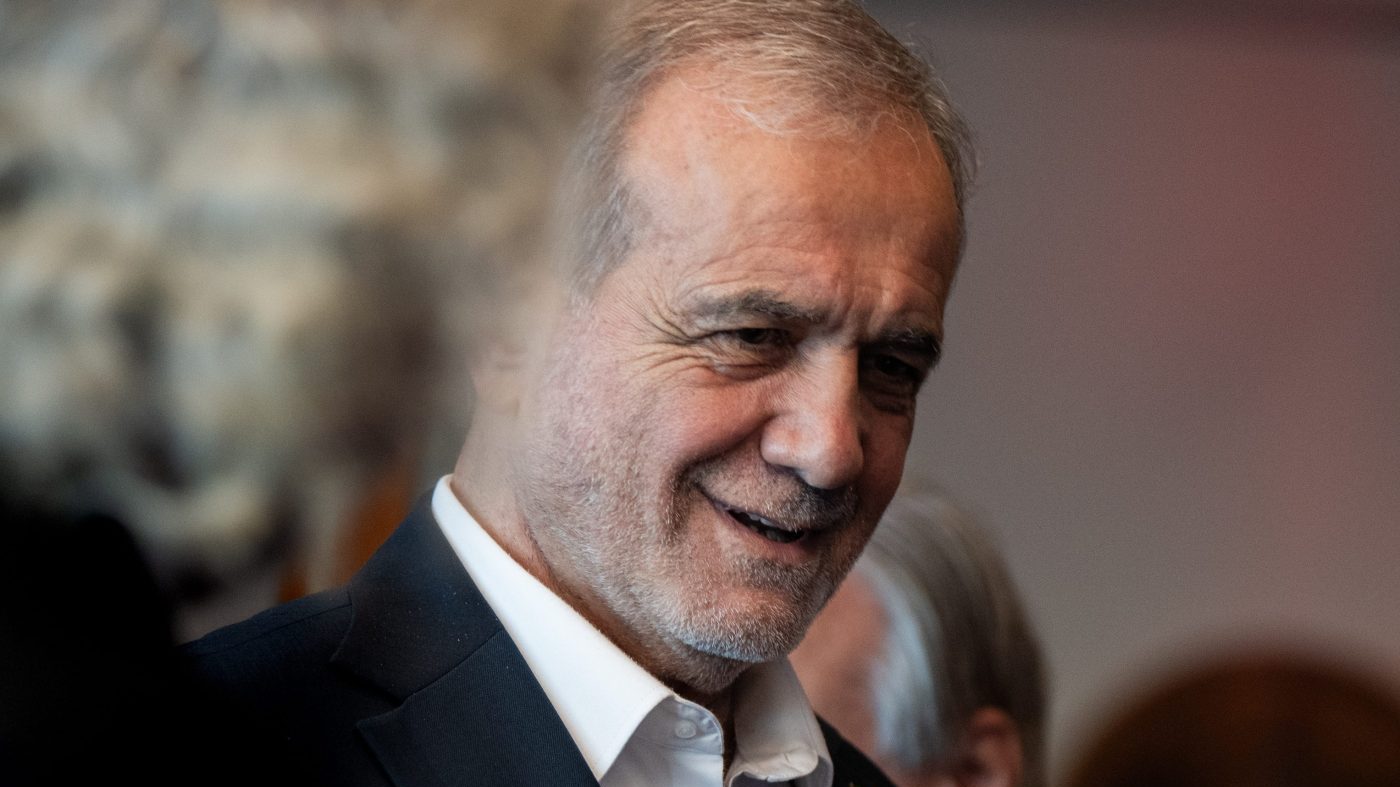
Iranian President Masoud Pezeshkian issued a stark warning Thursday, declaring that Israel's ongoing military strikes in Lebanon constitute a direct violation of the two-week ceasefire established between the United States and Iran. He stated these actions would render upcoming diplomatic negotiations "meaningless." The comments sharply escalate tensions ahead of planned weekend talks between Iranian and American officials in Islamabad.
In a social media post, Pezeshkian condemned what he termed "repeated aggression by the Zionist entity," framing it as a breach of the initial ceasefire agreement and evidence of bad faith. "The continuation of these aggressions will render negotiations meaningless; our hands will remain on the trigger, and Iran will never abandon its Lebanese brothers and sisters," he wrote, signaling Tehran's firm support for Hezbollah and the broader regional alliance known as the Resistance Axis.
Conflicting Interpretations of the Truce
The Iranian position directly contradicts statements from both Israeli and American leadership. The office of Israeli Prime Minister Benjamin Netanyahu asserted earlier this week that "The two-weeks ceasefire does not include Lebanon." This view was echoed by U.S. Vice President J.D. Vance, who suggested in Budapest that a "legitimate misunderstanding" was at play. "I think the Iranians thought that the ceasefire included Lebanon and it just didn't. We never made that promise," Vance told reporters.
This fundamental disagreement over the ceasefire's scope threatens to unravel the fragile truce, which followed a 38-day campaign of hostilities. The U.S.-Iran ceasefire has shown signs of strain as both sides accuse the other of violating its spirit or terms. Iranian Parliament Speaker Mohammad Bagher Ghalibaf reinforced Pezeshkian's stance, declaring that Lebanon and the Resistance Axis are indeed covered under the agreement, citing an Iranian peace proposal.
Military Reality on the Ground
Despite the diplomatic wrangling, Israeli military operations in Lebanon have intensified. The Israeli Defense Forces (IDF) have conducted strikes against Hezbollah targets since early March. On Wednesday, the IDF reported striking approximately 100 Hezbollah military sites across Lebanon within one minute, an operation it code-named 'Eternal Darkness.'
Lebanese civil defense authorities reported the attacks resulted in at least 254 fatalities and 1,165 injuries, marking what Amnesty International's regional director Heba Morayef called the single deadliest day since Israel began its campaign last month. "Even before today's attack... more than 1,500 people had been killed and over a million people displaced from their homes across the country," Morayef added, highlighting the severe humanitarian cost.
Strait of Hormuz: The Other Flashpoint
The ceasefire dispute extends beyond Lebanon to the critical Strait of Hormuz. The original agreement included provisions for allowing commercial shipping to pass freely through the strategic waterway, which handles roughly one-fifth of global oil shipments. However, the violence in Lebanon has prompted Tehran to reconsider lifting its restrictions on the strait.
Data from maritime monitors shows a dramatic drop in traffic, with only six vessels transiting in the last 24 hours compared to a typical daily average of sixty. This development puts the entire ceasefire framework in jeopardy, as former President Donald Trump stated Tuesday that the truce was contingent on Iran fully reopening the strait. The situation illustrates how ceasefire terms are now in serious doubt on multiple fronts.
Diplomatic Path Forward
Pakistani Prime Minister Shehbaz Sharif, who mediated the initial ceasefire talks, stated online that "allies" of both Washington and Tehran agreed to the pause in hostilities, implicitly including Lebanon. This adds a third-party perspective to the contentious debate over the agreement's text and intent.
The weekend talks in Islamabad are set to include U.S. Vice President Vance, special envoy Steve Witkoff, and Jared Kushner. They will face the immediate challenge of reconciling these diametrically opposed interpretations of the ceasefire. The White House has further complicated matters, with press secretary Karoline Leavitt noting Wednesday that Tehran submitted a different ten-point plan to the Trump administration after the U.S. "discarded" Iran's initial proposal, suggesting a history of discord over formal documents.
The escalating rhetoric and military action create a precarious situation for the diplomats. As Vance characterized the conflict as a misunderstanding, Iranian leaders are framing it as a fundamental breach of trust. The outcome of the Islamabad meetings will likely determine whether the ceasefire collapses entirely or can be salvaged through clarified terms, with significant implications for regional stability and global energy markets.