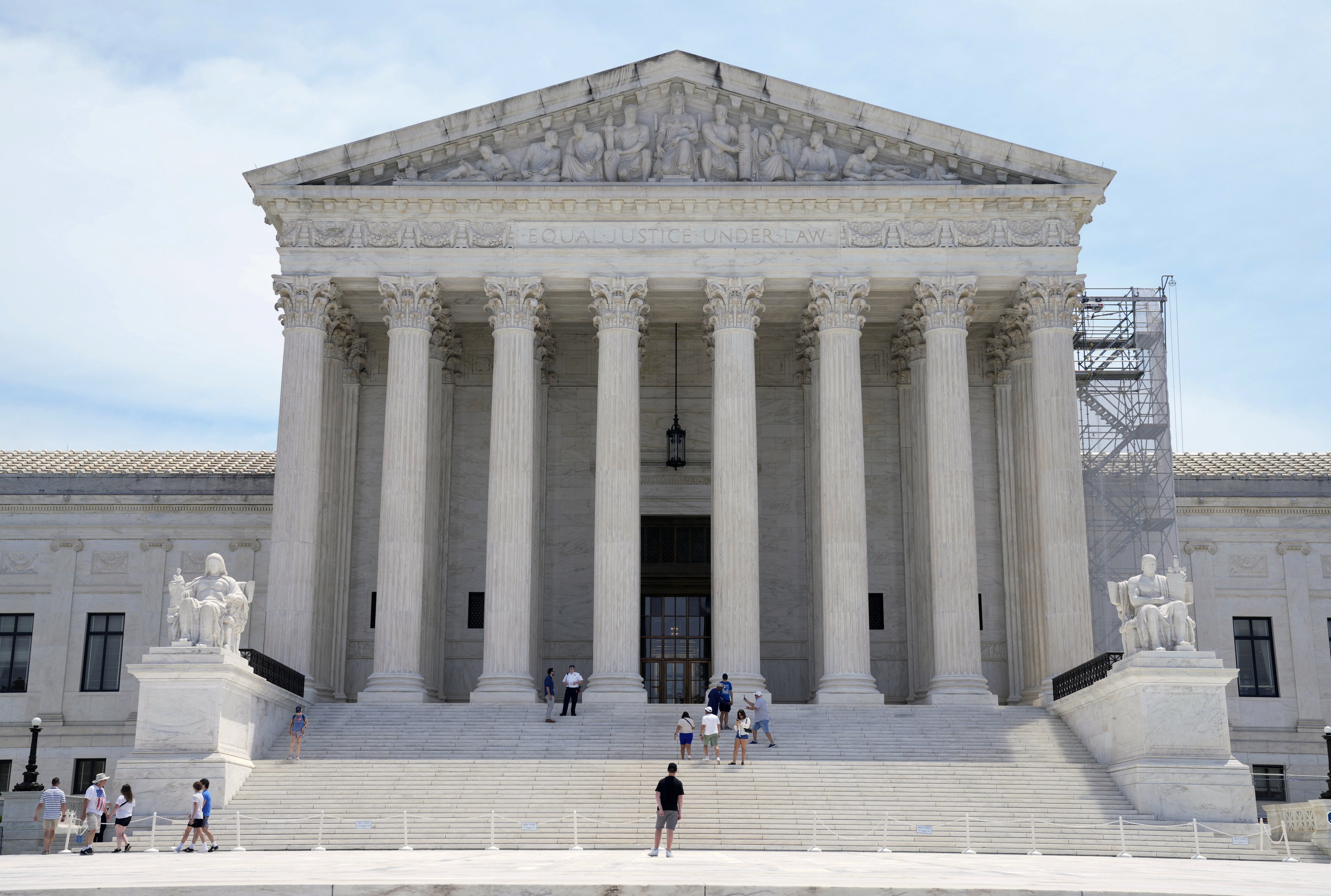
In a landmark 8-1 decision, the U.S. Supreme Court has overturned Colorado's prohibition on licensed mental health professionals attempting to change the sexual orientation or gender identity of minors. The ruling in Chiles v. Salazar immediately nullifies the state's protections and places similar statutes in 22 other jurisdictions under constitutional threat.
The majority opinion, authored by Justice Amy Coney Barrett, anchored its reasoning in the First Amendment, concluding the law improperly regulated professional speech based on its viewpoint. The Court argued the statute was one-sided, permitting therapeutic approaches that affirm a minor's LGBTQ identity while banning those aimed at altering it.

Justice Ketanji Brown Jackson, in a solitary dissent, countered that the law's asymmetry reflects medical consensus, not bias. She cited extensive research documenting severe harms from conversion practices, including post-traumatic stress disorder, anxiety, and increased suicidal ideation. Jackson emphasized that every major American medical association condemns these practices as ineffective and dangerous.
The ruling exposes a fundamental philosophical divide on the Court regarding LGBTQ identity. Jackson's dissent frames being gay or transgender as "a part of the normal spectrum of human diversity," not a condition requiring treatment. The majority, however, characterized approaches to youth sexuality and gender as "a subject of fierce public debate," a framing critics argue inherently undermines the equality of LGBTQ identities.
This decision follows a pattern of recent rulings where the Court's conservative majority has scrutinized medical evidence differently depending on the context. Last year, in upholding Tennessee's ban on gender-affirming care for minors, the Court gave detailed credence to skeptical arguments from European health authorities. Conversely, in Chiles, the majority dismissed the substantial evidence Colorado presented on the harms of conversion therapy, questioning why courts should defer to prevailing medical views at all.
The opinion notably referenced the discredited 1927 eugenics case Buck v. Bell as a cautionary tale about judicial deference to medical expertise. Jackson's dissent turned this analogy on its head, arguing that both the sterilization program in Buck and conversion therapy seek a similar end: the erasure of a minority group deemed undesirable.
The legal landscape surrounding LGBTQ rights continues to shift rapidly in the courts. This ruling creates a direct conflict with states seeking to protect minors from what they deem harmful practices, while a separate federal appeals court recently allowed Iowa's restrictions on LGBTQ classroom materials. The decision's ripple effect will likely trigger further litigation as states grapple with the new precedent.
Advocates warn the ruling resurrects a dangerous debate settled decades ago when homosexuality was declassified as a mental illness in 1973. They argue that by allowing the "cure" of LGBTQ identity to be debated as legitimate therapy, the Court negates the foundational premise of the gay rights movement: that society must accept, not attempt to change, sexual orientation and gender identity.
The 8-1 split underscores the Court's ideological alignment on this issue, with the sole liberal justice standing apart. This dynamic mirrors other recent decisions, such as the Court's earlier action on state therapy regulations, and highlights the significant judicial power wielded by the conservative supermajority in reshaping social policy.