Passengers are confronting a transformed travel landscape defined by higher costs and diminished options as global airlines grapple with extreme volatility in jet fuel prices. The instability, directly tied to conflict in the Middle East and the strategic closure of the Strait of Hormuz, is forcing carriers to make aggressive adjustments that are reshaping the market for every class of traveler.
The Fuel Cost Shock
The core driver is a dramatic spike in jet fuel costs following the outbreak of war. According to the International Air Transport Association, the average global price has surged from approximately $99 per barrel in late February to $209 last week. This surge translates into staggering new expenses for airlines; Delta Air Lines anticipates an added $2 billion in operating costs just for the second quarter, while United Airlines projects an annual impact exceeding $11 billion if prices remain elevated. "In United’s best year ever, we made less than $5 billion," CEO Scott Kirby noted in a staff memo, underscoring the scale of the financial pressure.
This price volatility, with oil swinging from over $119 a barrel to below $95 following a brief ceasefire announcement, creates a planning nightmare for the industry. "When prices move quickly in both directions, it’s very hard for airlines to make predictions," said Shye Gilad, a former airline captain and Georgetown University professor. "That’s why there’s a lag between oil market moves and what passengers see in ticket prices." Relief for travelers, therefore, may be delayed for months as carriers wait for markets to stabilize.
Carriers Pass Costs to Passengers
The response from airlines has been swift and multifaceted. Major U.S. carriers including Delta, United, Southwest, and JetBlue have all increased checked baggage fees. United is extending its à la carte pricing model to premium cabins, making previously standard perks like advanced seat selection and fully refundable tickets into paid extras. The strategy is global: Cathay Pacific raised fuel surcharges by about 34%, Air India added up to $280 in fees on some routes, and European carriers like Lufthansa and KLM have adjusted fares.
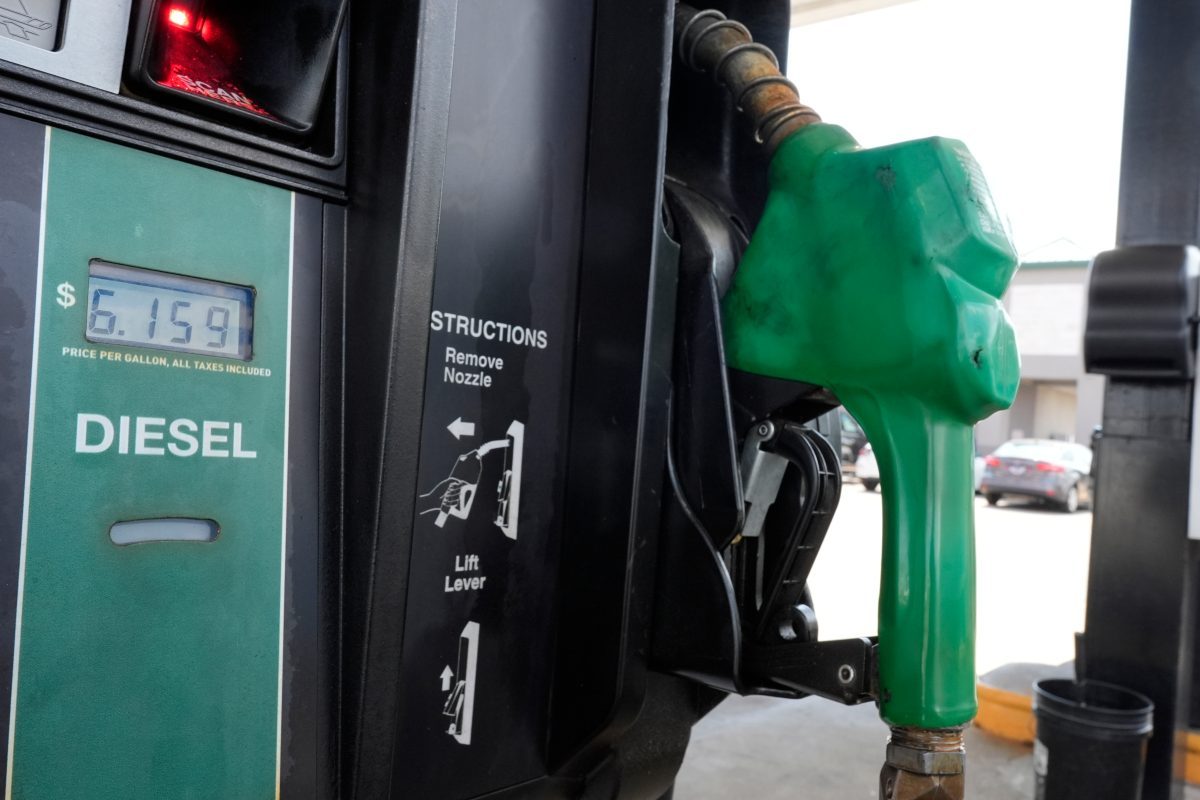
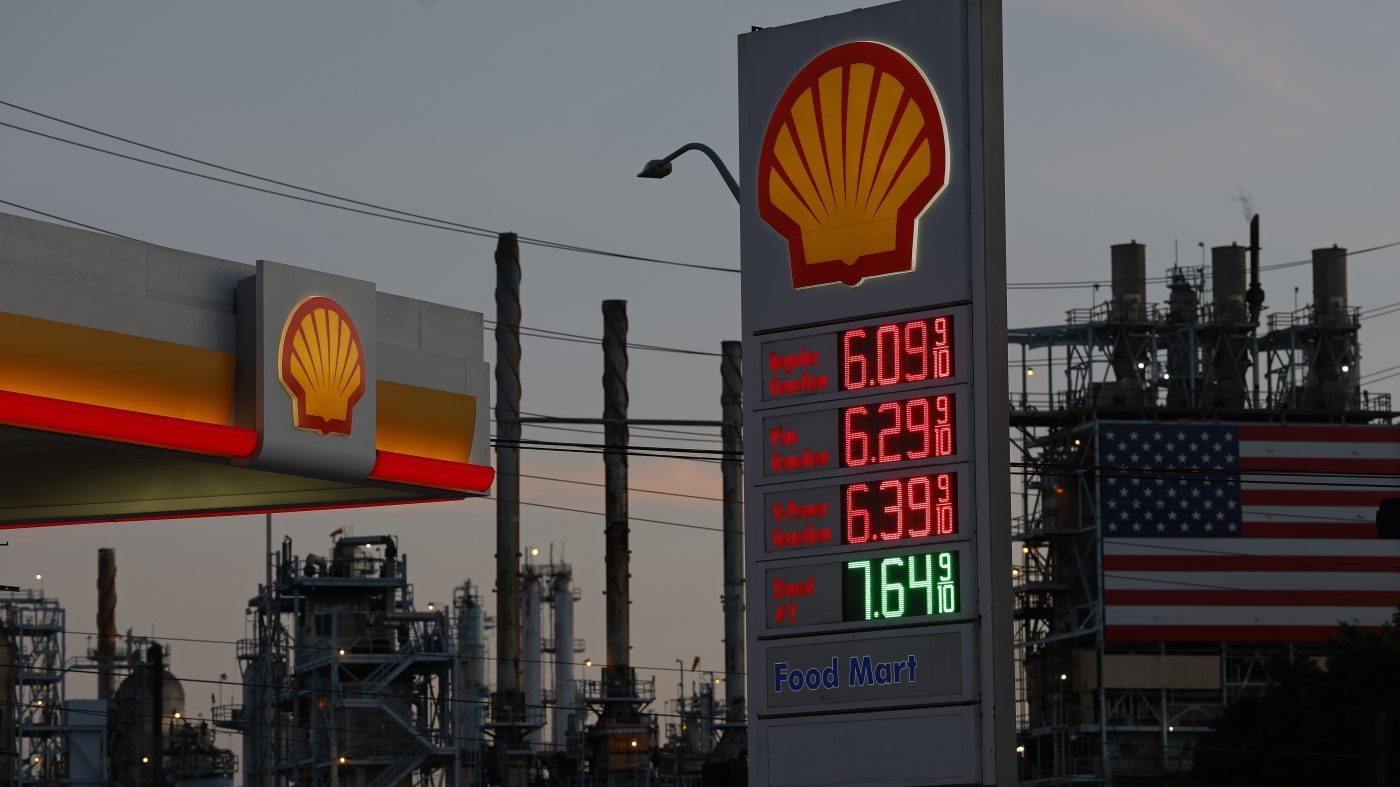
The financial strain is not limited to air travel. As seen with record diesel prices hitting multiple states, the energy shock is widespread. Similarly, political responses are emerging, such as Indiana's temporary gas tax holiday, reflecting broader public anxiety over fuel costs that a recent survey shows is a top concern for 70% of Americans.
Schedule Reductions and Strategic Cuts
Beyond raising revenue, airlines are cutting costs by reducing capacity. Analysis from BNP Paribas estimates global flight schedules for April have been trimmed by roughly 5% compared to earlier plans, with the deepest cuts in the Middle East but noticeable reductions in Europe, Asia, and North America. United is cutting approximately 5% of its near-term planned flights, targeting less profitable routes and suspending some international service. Delta has scrapped plans to expand its summer schedule, resulting in 3.5% fewer seats than originally planned.
These strategic cuts highlight the advantage held by larger, network carriers over budget airlines. Major operators can employ dynamic pricing, reconfigure aircraft, or adjust routes to preserve profitability. Low-cost carriers, with their leaner operational models, have far less flexibility to absorb such a sharp, unexpected cost increase, leaving them and their price-sensitive customers most vulnerable.
Traveler Uncertainty Grows
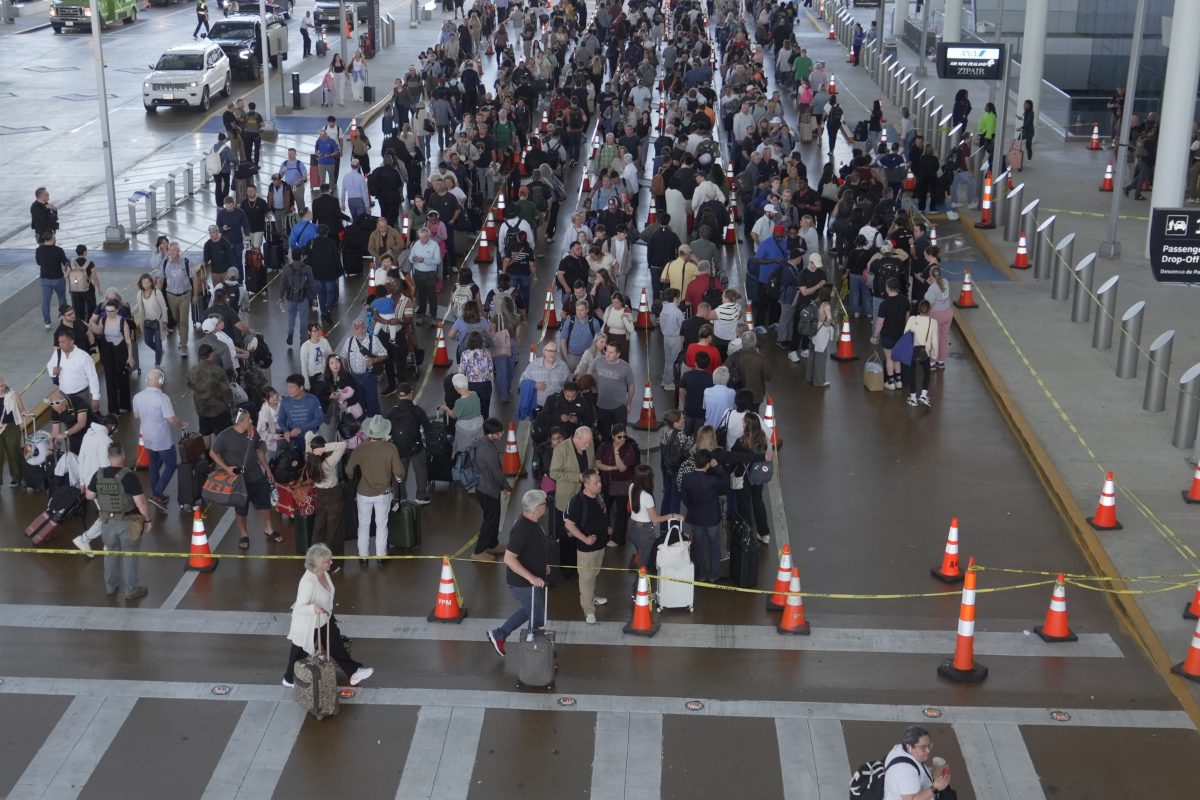
For passengers, the result is increased cost and complication. Business traveler Bill Moorehouse, who flies regularly for work, cited the growing uncertainty as a reason to scale back. "When you have business trips and you have a carefully coordinated schedule, you don’t want unknowns and disruptions," he said. The sentiment is leading some to postpone or reconsider travel plans altogether.
The market turbulence, triggered by Iran's strategic use of the Strait of Hormuz, shows few signs of abating. As Delta CEO Ed Bastian stated bluntly, "At this level of fuel, it’s hard to call anything temporary." For the foreseeable future, airlines and travelers alike are navigating a new, more expensive, and less predictable reality in the skies.