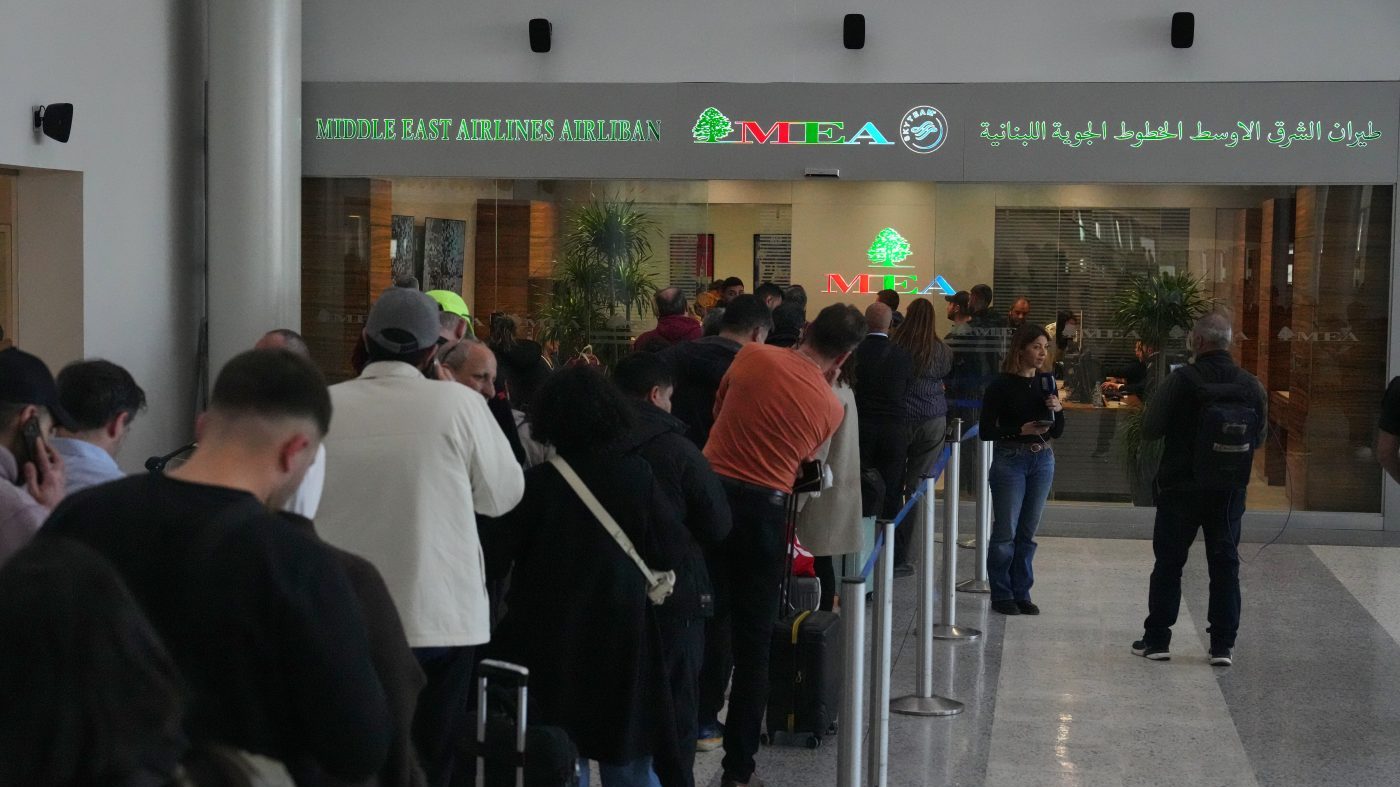
Two of the nation's largest carriers, Delta Air Lines and Southwest Airlines, announced new increases to checked baggage fees this week, marking the latest industry response to a severe spike in jet fuel prices driven by the ongoing conflict in Iran. The moves follow identical fee hikes announced last week by United Airlines and JetBlue, creating a near-universal increase in travel costs for American passengers.
Fee Structures Escalate
Delta and Southwest have both raised prices by $10 for a passenger's first and second checked bags on most domestic and select short-haul international routes. The standard fee for a first bag is now $45, while a second bag will cost $55. Delta implemented its changes for tickets purchased on or after Wednesday, while Southwest's increases take effect Thursday. In a more aggressive move, Delta also raised the price for a third checked bag by $50, bringing that fee to $200.
In statements, both airlines cited broader economic pressures. Southwest said the decision followed "an ongoing analysis of the business and against the evolving global backdrop." Delta echoed this, stating the updates "reflect the impact of evolving global conditions and industry dynamics."
Fuel Costs as the Catalyst
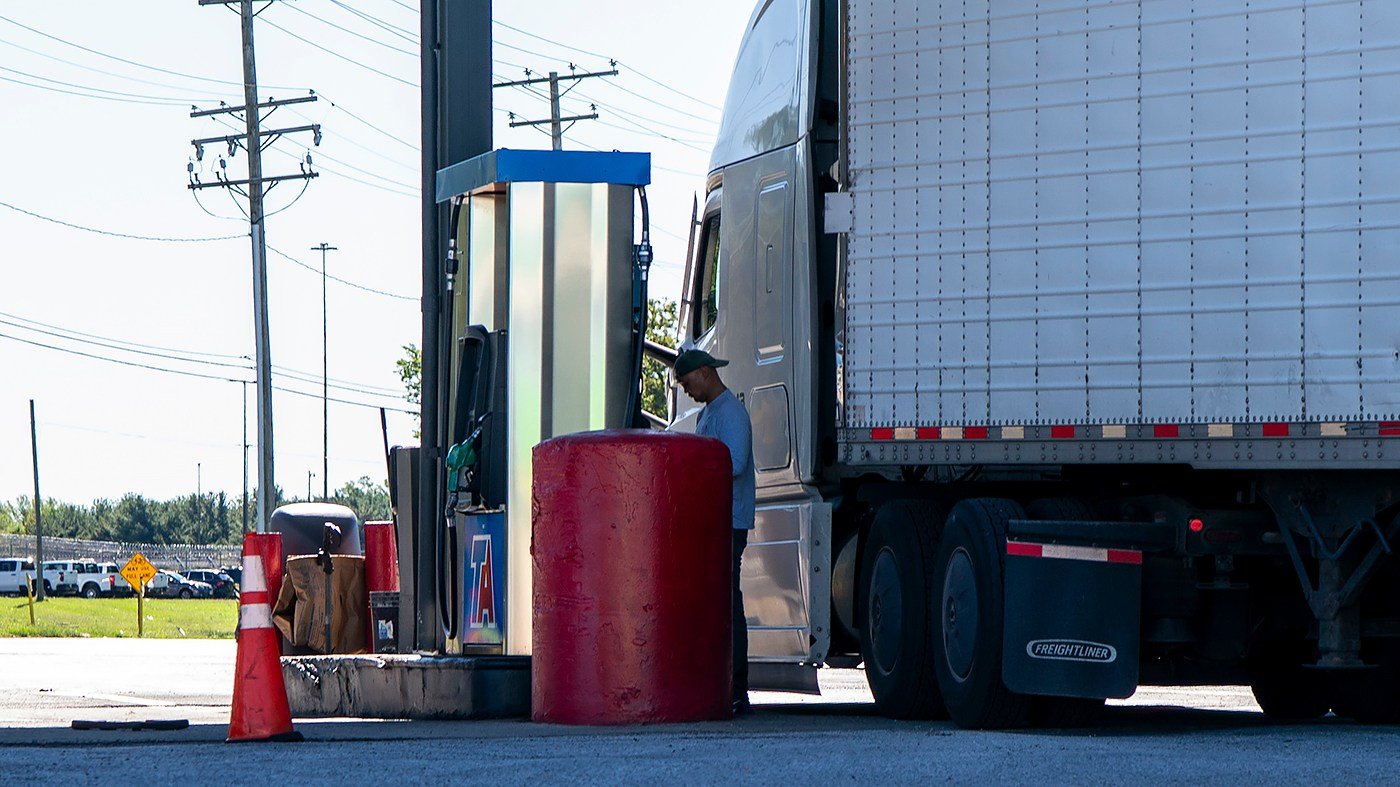
The primary driver is a historic surge in the price of jet fuel, directly linked to the war in Iran. According to the Argus U.S. Jet Fuel Index published by Airlines for America, the price per gallon has skyrocketed 92 percent since late February, from $2.50 to $4.81. This puts the price per barrel at nearly $202. The conflict has severely disrupted global oil supplies, particularly after Iran effectively closed the Strait of Hormuz, a chokepoint for roughly 20% of the world's oil. Recent reports indicate the strait was closed again following accusations that the U.S. and Israel violated a ceasefire agreement, though the White House has stated the truce remains contingent on the waterway staying open.
A recent Pew survey found 70% of Americans now cite fuel costs as a top concern, underscoring the domestic economic impact of the international crisis.
Earlier Moves by Competitors
Last week, JetBlue announced it would increase its first checked bag fee by $9 on peak travel days—charging $49—and by $4 on non-peak days for a $39 fee. Its defined peak period spans most of April, the Memorial Day weekend, the entire summer from June to September, and other popular vacation times. United Airlines also instituted a $10 increase for most travelers, while simultaneously scaling back its flight schedule to conserve fuel, cutting less popular off-peak and red-eye flights.
United CEO Scott Kirby laid out the stark financial reality in a March 20 memo to employees, noting jet fuel prices had more than doubled in three weeks. "If prices stayed at this level, it would mean an extra $11B in annual expense just for jet fuel. For perspective, in United’s best year ever, we made less than $5B," Kirby wrote. He added that while travel demand "remains the strongest we’ve ever seen," it "may be a challenge to continue passing through much of the increased fuel price if oil stays higher for longer."
Broader Economic and Political Context
The airline fee hikes represent a direct transmission of geopolitical instability into household budgets, compounding other rising costs for American families. A new analysis shows the cost of raising a child in the U.S. now exceeds $300,000, illustrating the broader inflationary pressure. The situation also carries political weight, as the administration works to manage the crisis. White House press secretary Karoline Leavitt confirmed a team of U.S. negotiators would travel to Pakistan this weekend to meet with Iranian officials.
The industry's response has not been limited to baggage fees. Airlines are also slashing flights and raising base fares to offset the fuel crisis, signaling that higher travel costs will likely persist as long as the conflict and its disruptions continue. With the Strait of Hormuz's status remaining a flashpoint, the volatility in energy markets shows no immediate sign of abating.