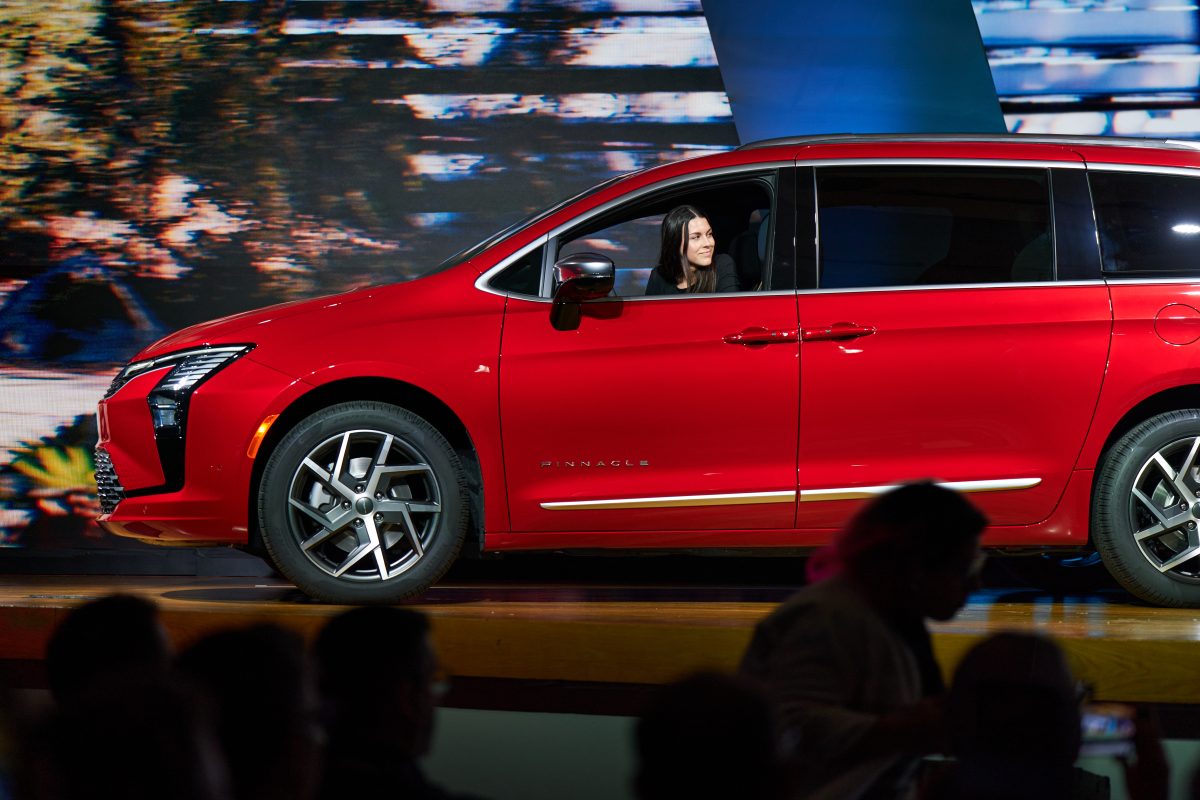
The automotive market is witnessing an unexpected revival of a once-maligned vehicle class. The minivan, a segment that spent years in the shadow of SUVs and crossovers, is staging a notable comeback as 2026 approaches, driven by a potent mix of economic anxiety and strategic rebranding.
A Demographic Shift and a New Image
Industry analysts point to a fundamental change in who is buying these vehicles. The traditional 'soccer mom' association is being upended by a growing cohort of middle-aged men. Dealers and manufacturers are actively repositioning minivans as versatile lifestyle vehicles, challenging long-held perceptions that they are uncool or purely utilitarian family haulers.
"The shift isn't purely a matter of style but also economics," said Veronica Maoli, a New Jersey dealership owner. She noted that buyers are actively seeking low pricing, substantial discounts, and good deals, a reflection of broader consumer caution. "Everybody is worried about spending their money right now," Maoli explained. This financial prudence is occurring against a backdrop where used vehicle prices have climbed to multi-year highs, squeezing household budgets further.
The Economic Calculus: Utility and Efficiency
The value proposition is clear when compared to popular alternatives. According to data from Edmunds, the average price of a full-size SUV now exceeds $77,000, while a minivan comes in at approximately $48,000. This nearly $30,000 price differential is a powerful motivator in a strained economy. Maoli emphasized the vehicle's practical benefits, stating, "It gives the same ability as a pickup truck to be able to move things around."
Beyond the sticker price, operating costs are a major factor. With fuel prices remaining a persistent concern for consumers, the superior fuel efficiency of modern minivans compared to larger SUVs and trucks adds another layer of financial appeal. "Minivans are very fuel efficient... That's something that people are really thinking about right now," Maoli added. This focus on household savings echoes concerns highlighted in policy discussions, such as those around legislation aimed at addressing the national savings crisis.
Manufacturers have complemented this economic argument with design upgrades. New models feature sleeker exteriors and more luxurious, updated interior options, directly aiming to alter buyer perceptions and compete on aesthetics as well as practicality.
Sales Data Confirms the Trend
The convergence of these factors has translated into measurable market movement. Industry experts report a 21% increase in minivan sales through 2025, a significant rebound for the segment. This resurgence speaks to a pragmatic reassessment of needs versus wants among a key consumer base.
Chrysler CEO Matt McAlear framed the trend in straightforward terms, downplaying the importance of image. "These things make life easier, and you don't always have to impress everybody," McAlear said, suggesting the comeback is rooted more in functional convenience and economic sense than in achieving automotive status.
The minivan's return is a microcosm of broader economic adjustments. As households navigate inflationary pressures and seek value, product segments once considered passé can find new relevance. This pivot toward practicality and savings in major purchases reflects a cautious consumer sentiment that extends beyond the auto lot, influencing spending and saving behaviors across the economy.