The U.S. economy decelerated sharply in the final months of 2025, with growth falling well below earlier projections as a prolonged government shutdown and escalating military conflict with Iran took a measurable toll. Revised data from the Commerce Department, released Thursday, shows real gross domestic product expanded at an annualized rate of just 0.5 percent from October through December, a downward revision from the initial estimate of 0.7 percent.
Shutdown and Spending Cuts Drag on Growth
The 43-day federal funding lapse, which overlapped with the quarter, directly suppressed economic activity. Government spending subtracted 0.96 percentage points from the overall GDP figure, as agency operations stalled and federal worker pay was suspended. The impact was starkly regional: Washington, D.C., and Maryland, both densely populated with federal employees, saw their real GDP rates contract by 8.3 percent and 3.3 percent, respectively. In contrast, states less reliant on federal outlays, like North Dakota, posted growth as high as 3.8 percent.

Consumer spending and private investment provided the sole positive drivers for the quarter, though they were insufficient to offset the broader drag. The slowdown marks a dramatic cooling from the 4.4 percent growth recorded in the third quarter and the 3.8 percent pace in the second quarter, contributing to a full-year 2025 growth rate of 2.1 percent. This continues a pattern of gradual deceleration from 2.8 percent in 2024 and 2.9 percent in 2023, reflecting mounting economic headwinds and eroding consumer confidence.
Geopolitical Conflict Fuels Economic Anxiety
The weak economic report arrives amid significant market volatility and rising public anxiety linked to the Trump administration's military campaign against Iran. Joint U.S.-Israeli strikes on Tehran in late February triggered immediate spikes in global energy prices and domestic gasoline costs. While a fragile two-week ceasefire announced by President Trump this week temporarily calmed markets, ongoing strikes in the region threaten to shatter the pause.
Iranian counterstrikes have repeatedly disrupted critical trade routes, including the Strait of Hormuz—a chokepoint for roughly 20 percent of the world's consumed oil. This geopolitical friction has injected severe uncertainty into financial markets and contributed to the quarter's economic stall. The administration's approach has drawn criticism from some quarters, with figures like Rep. Matt Gaetz publicly warning against a ground invasion, citing profound economic and security risks.
Energy Markets and Consumer Impact
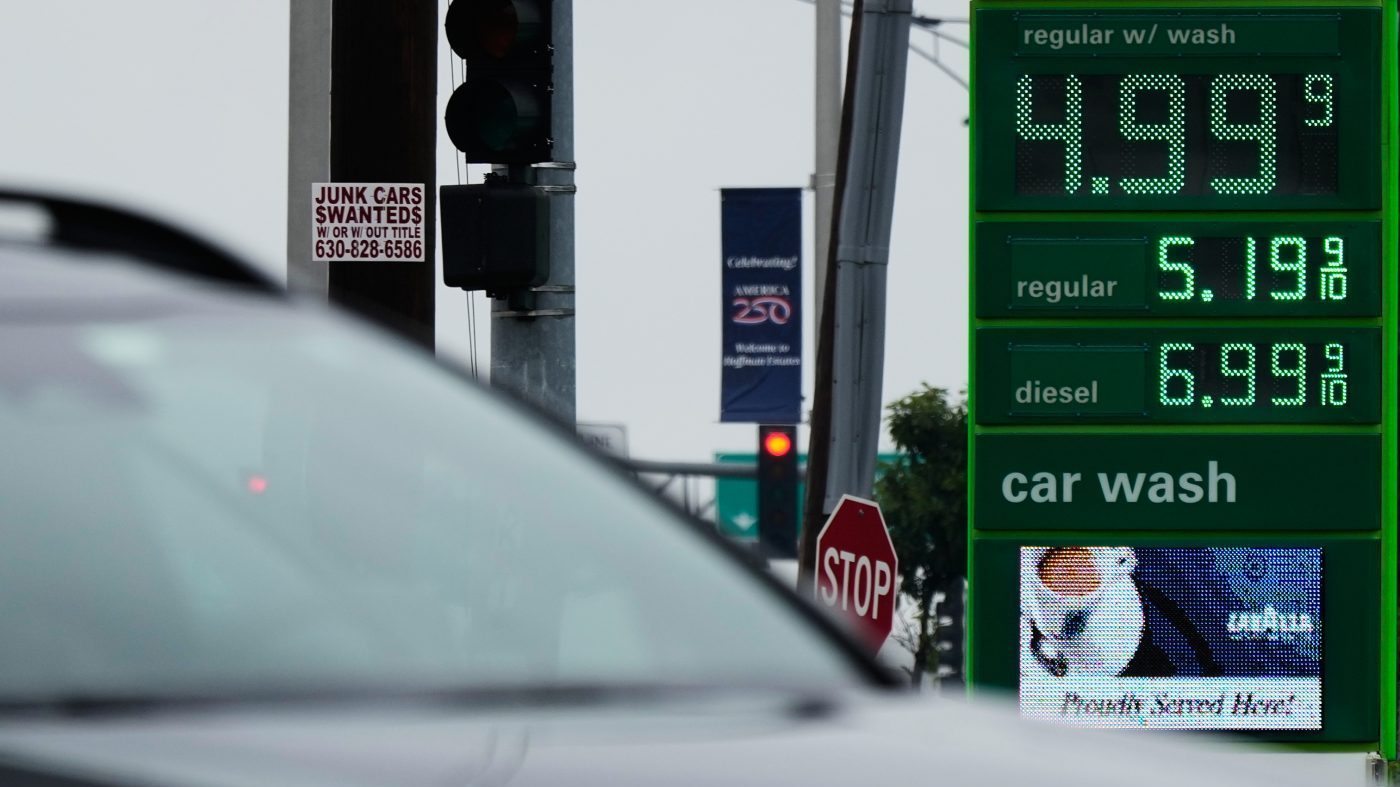
The direct economic consequences are visible at the pump and in trading pits. The price of Brent crude oil, the international benchmark, was trading around $98 per barrel Thursday, down from over $110 earlier in the week following the ceasefire announcement. U.S.-produced West Texas Intermediate crude hovered just below $100. The volatility has translated directly to American consumers: according to AAA, the national average for a gallon of regular gasoline hit $4.17 on Thursday, a sharp increase from $3.48 a month ago and $3.24 a year ago.
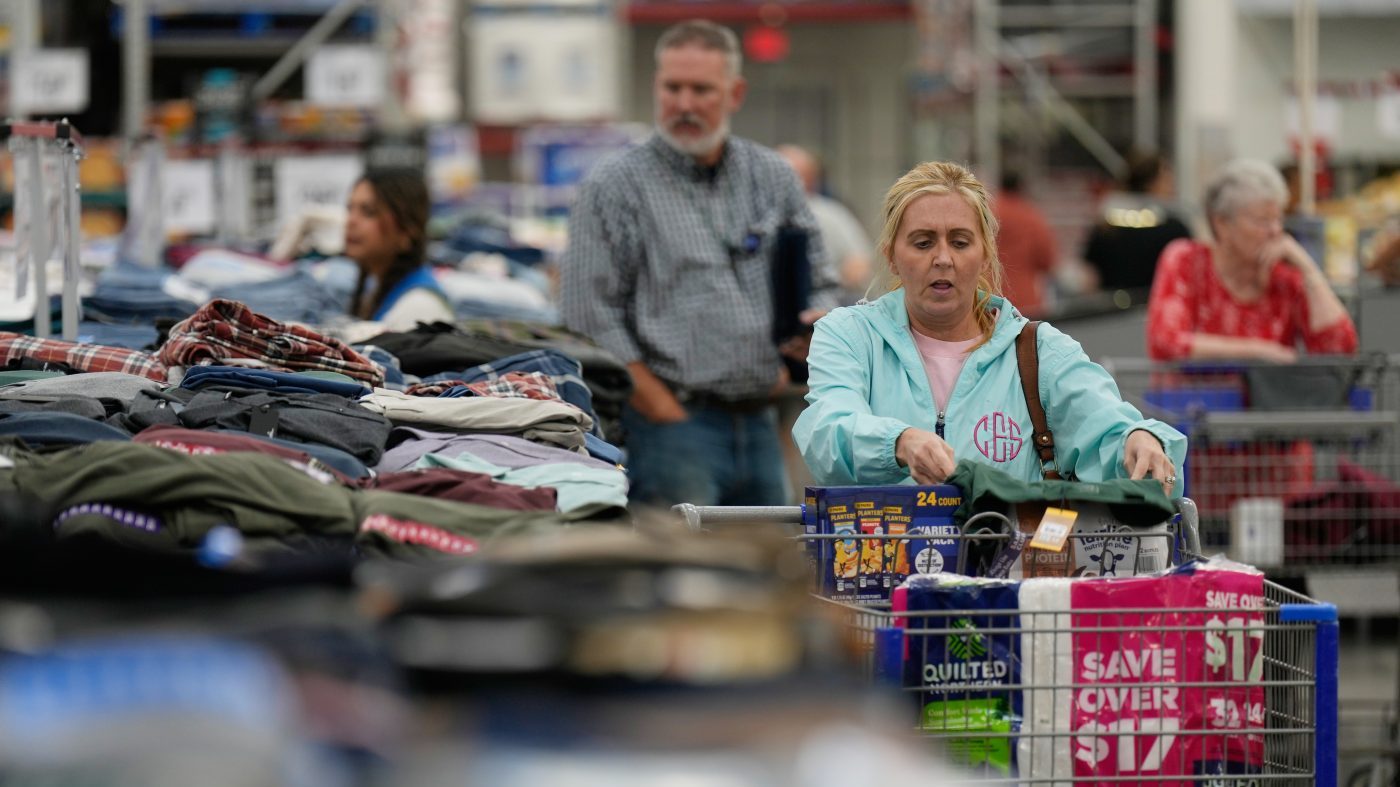
This squeeze on household budgets is exacerbating broader economic pressures, with surveys indicating many Americans are cutting discretionary spending. The financial strain is evident in areas like subscription services, where a significant portion of consumers are canceling streaming subscriptions to manage costs. The combination of stagnant wage growth, inflation in essential goods, and geopolitical instability is creating a potent political challenge for the administration, which has seen its approval ratings decline to historic lows amid the economic fallout.
Long-Term Outlook and Policy Crossroads
The fourth-quarter data presents a sobering picture of an economy losing momentum under the weight of domestic political dysfunction and foreign policy crises. The shutdown exposed vulnerabilities in federal budgeting processes, while the Iran conflict highlights how overseas military engagement can swiftly undermine economic stability. The situation places renewed focus on long-term competitiveness, with debates intensifying over issues like immigration policy and its role in sustaining economic growth.
As the 2028 election cycle begins to take shape, the economy's performance is likely to be a central fault line. Potential candidates are already framing their responses; Representative Ro Khanna, for instance, has recently outlined an economic and foreign policy vision that contrasts sharply with the current administration's approach. The coming quarters will test whether the current slowdown is a temporary stumble or the start of a more protracted period of weak growth, with immediate stability hinging on both a durable ceasefire in the Middle East and the avoidance of further domestic fiscal cliffs.