For generations, the United States immigration system operated on a foundational compact: navigate its complex legal channels, and the country would offer unparalleled opportunity. This was not merely an economic proposition but a cultural one—America presented itself as a nation strengthened by newcomers, a place where hard work and ambition could forge a new life. This ideal, known globally as the American Dream, functioned as the nation's most powerful recruitment tool for the world's best and brightest.
The Erosion of a Core Promise
That compact is now under severe strain. Immigration has shifted from a broadly accepted pillar of national identity to a central flashpoint in the nation's political wars. The public debate increasingly frames immigrants as competitors for jobs and educational slots rather than as vital contributors. This cultural shift, reflected in policy instability, sends a potent signal to prospective immigrants worldwide. When lawful permanent residents are excluded from federal aid programs or individuals deep in multi-year legal processes face sudden policy reversals, it undermines the reliability of the entire system.

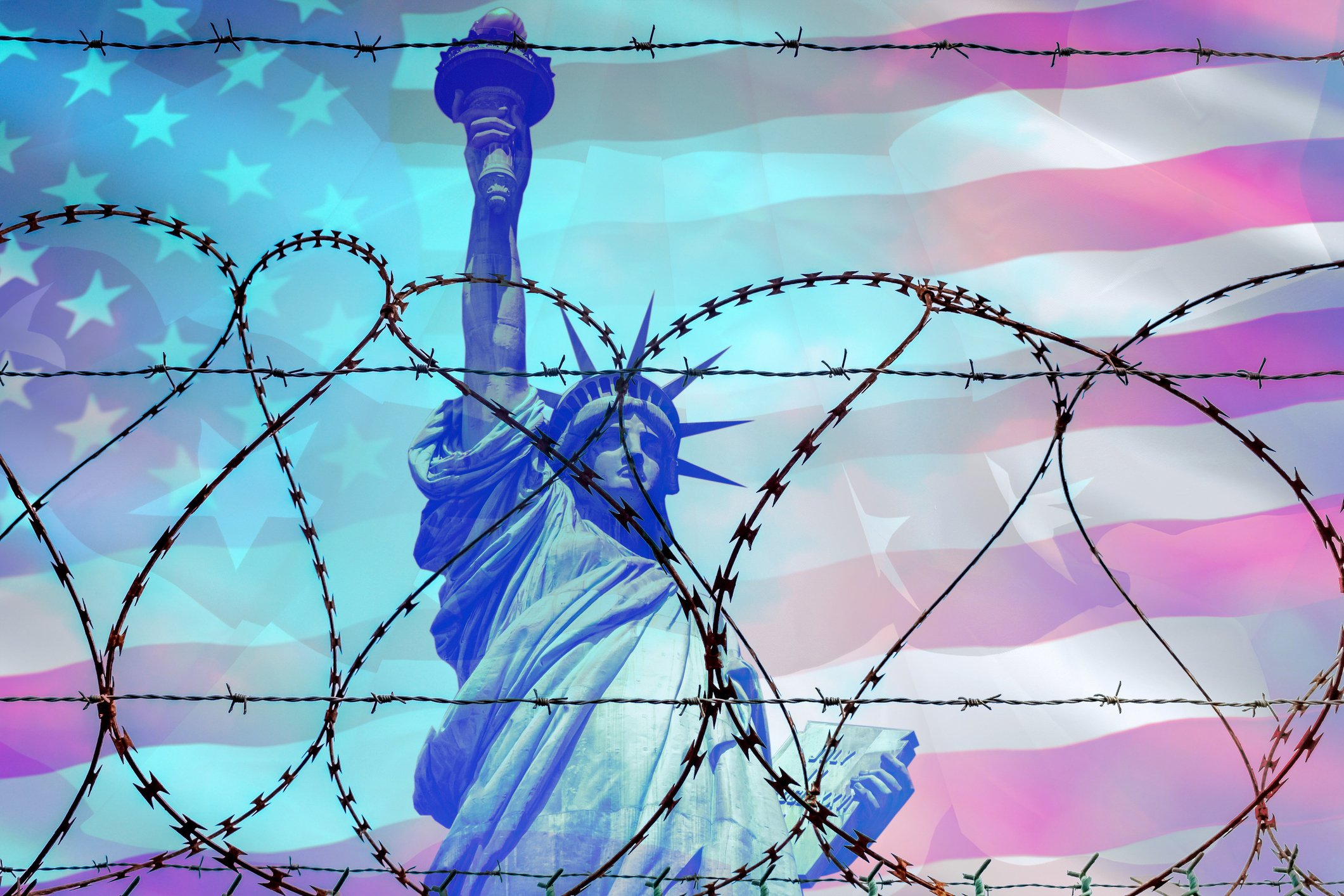
The economic stakes are substantial. Immigrants start businesses at significantly higher rates than native-born citizens and are critical to sectors like technology, healthcare, and defense—where over 40,000 non-citizens currently serve in the military. This contribution was historically understood as integral to American dynamism. The symbolic power of the Statue of Liberty was a declaration of this confidence, a belief that new arrivals were a source of renewal, not a burden.
Global Competition for Talent Intensifies
The consequences of this uncertainty are not abstract. Potential immigrants invest years, and often decades, in education, language acquisition, and career building to qualify for U.S. visas. As that pathway grows more unpredictable, competitors like Canada, Australia, and European nations present more stable alternatives. Entrepreneurs may launch startups elsewhere, and top students may choose foreign universities, diverting the flow of future innovators. This talent drain occurs as strategic competition with China tests U.S. economic primacy and global instability creates new vulnerabilities.
Policy adjustments are inevitable for any nation, but the current American impasse concerns the fundamental promise itself. The issue transcends any single administration's rules. It is about whether the signal the United States broadcasts to the world still aligns with the ideals of openness and reinvention that defined its global appeal. The erosion of this confidence reflects a nation seemingly apprehensive about the future, even as new global economic chokepoints emerge that demand innovative resilience.
The economic ramifications extend broadly. A sustained decline in high-skilled immigration could stifle innovation in critical industries, including the tech sector, which already faces supply chain pressures from events like conflicts that choke helium supplies for chip manufacturing. Furthermore, domestic political focus on immigration as a cultural wedge issue often overshadows its direct connection to long-term fiscal health and growth, topics that share the policy stage with concerns like inflation driven by energy market disruptions.
The central question for policymakers is no longer merely how to manage borders, but whether America intends to uphold the promise that has attracted driven individuals for centuries. The answer will define the country's character and its competitive position for decades to come. If the United States wishes to remain the destination for the next generation of builders and entrepreneurs, it must reconcile border security with a credible, welcoming pathway for those who seek to contribute. The world is closely observing whether that balance can be struck, and global talent is making decisions based on what it sees.