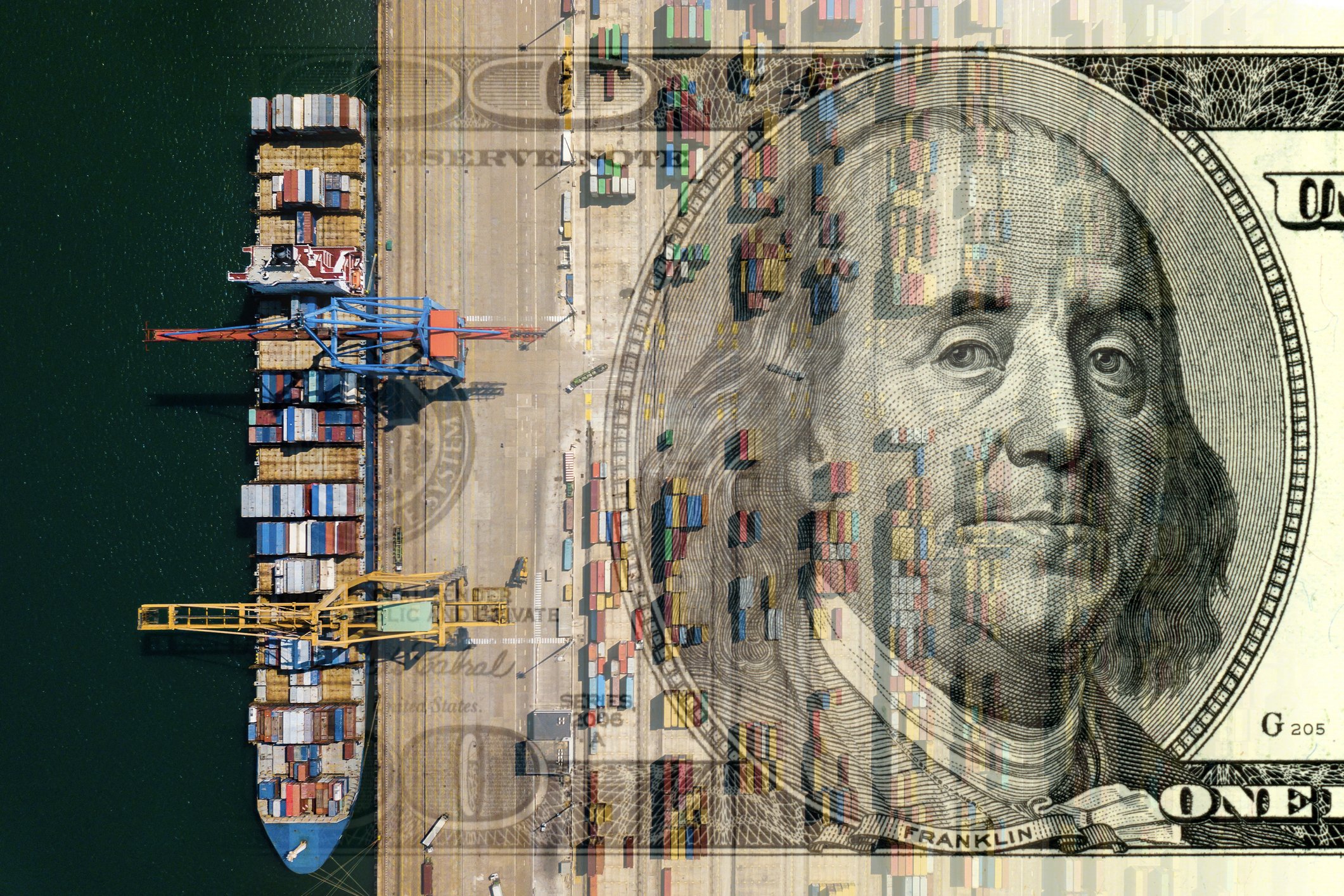
A century ago, President Calvin Coolidge declared the nation's primary occupation to be commerce. That assertion resonates powerfully today, as the United States navigates a global landscape marked by regional conflicts and economic nationalism reminiscent of the 1920s.
The current era mirrors Coolidge's time in striking ways: booming stock markets, technological revolutions altering productivity, and a widespread belief in economic progress, all coexisting with significant structural weaknesses. The economic nationalism of that earlier period finds its modern counterpart in today's America First agenda.
The Engine of Global Growth Under Strain
For a quarter-century, the symbiotic relationship between American enterprise and Chinese manufacturing fueled worldwide economic expansion. The U.S. now stands as the principal driver of this system. Its investment sparks global innovation, its consumption powers international production, and its economic direction sets the pace for others. However, this foundational role faces severe pressure from active regional warfare and escalating bilateral trade disputes.
Ongoing conflicts, including those involving Iran and Ukraine, are forcing rapid realignments of global supply networks. These disruptions have increased shipping insurance costs, closed vital maritime routes, and compelled corporations to establish alternative pathways through nations like India, Vietnam, and Mexico. While America provides stability, the surrounding international system is experiencing volatility not seen since the 1940s.
The Unbreakable Bond with Chinese Production
Despite political rhetoric advocating for decoupling, commercial reality tells a different story. Orders continue to flow and goods keep moving. Chinese factories maintain production for American firms at a scale and efficiency unmatched elsewhere. From small online retailers to massive corporations like Walmart, U.S. businesses rely deeply on Chinese suppliers to meet consumer demand. The deeply integrated supply chains built over decades cannot be unwound quickly or easily, making a swift pivot to other sources a political fantasy rather than a practical near-term strategy.
The central question for corporate leaders and Washington officials is how to manage these profound trade challenges during both peacetime and periods of open conflict. While media reports often cite generic "supply chain issues," the obstacles are more nuanced. In China, deliveries can be delayed or halted not just by mechanical failure, but by shifting local political priorities, sudden regulatory changes, or unspoken official signals. These opaque pressures can override even the most meticulously drafted contracts, and their impact is magnified during wartime.
Resilience Through Relationships and Adaptation
In this tense environment, commerce increasingly depends on intangible factors: the strength of long-term partnerships, the capacity to interpret geopolitical signals, and a quasi-diplomatic understanding that keeps goods flowing when formal channels are strained. History shows that global trade does not cease during conflict; it adapts, finds detours, and improvises new methods.
Current frictions with Beijing are substantial, yet they have not stopped the exchange of goods or diminished the commitment of companies on both sides of the Pacific to serve their markets. The system endures due to the inherent resilience of American business and its relentless focus on fulfilling consumer demand, regardless of external hurdles. Innovation continues to provide solutions, as firms develop novel approaches to conquer emerging challenges.
This resilience is occurring against a backdrop of significant U.S. strategic efforts to counter Chinese influence in other regions, such as Latin America, highlighting the multifaceted nature of the economic competition. Coolidge's observation endures, not as sentimental reflection but as contemporary fact. Even amid war, America's fundamental enterprise remains enterprise itself.