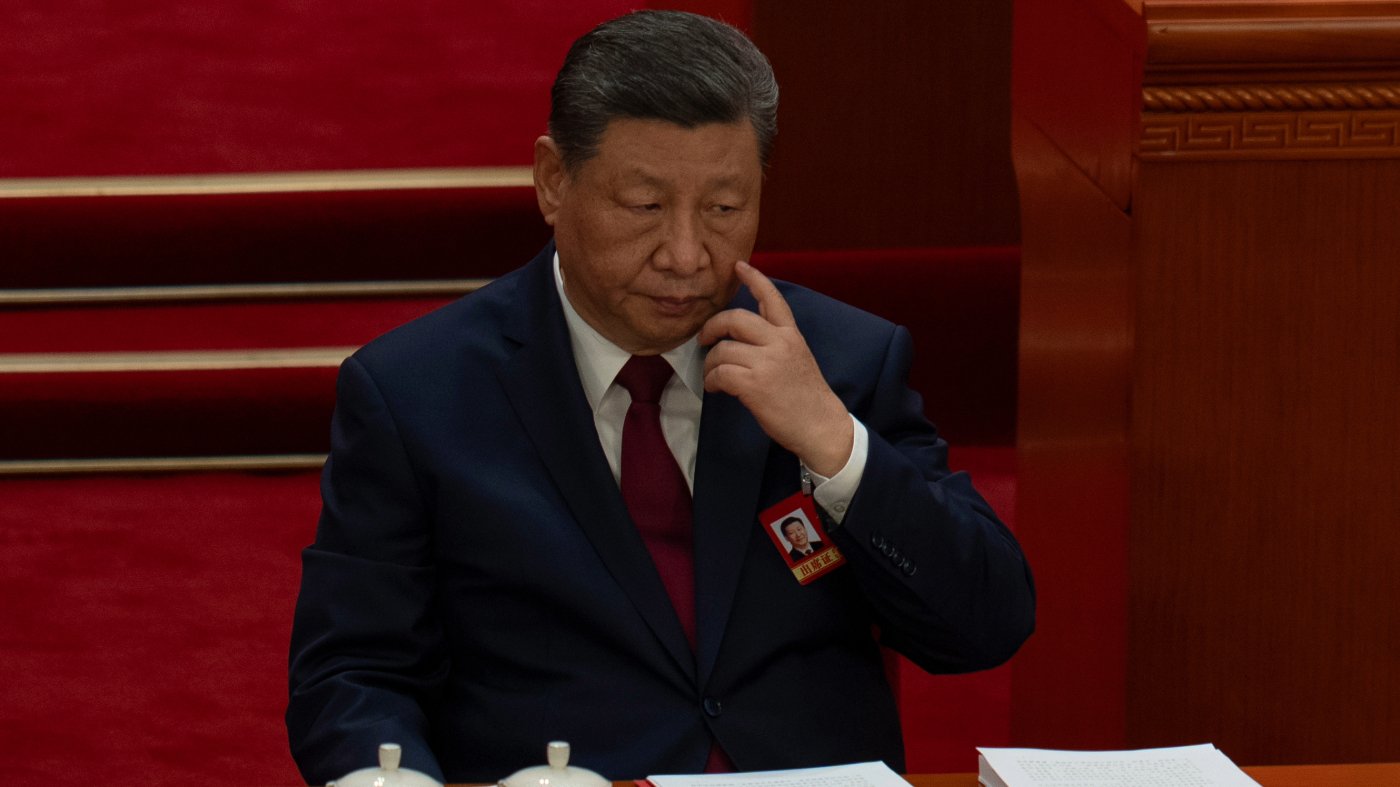
For the first time in decades, China's expansive political and economic footprint across Latin America is showing signs of significant contraction. A combination of renewed U.S. strategic engagement and shifting regional alignments has created a series of high-profile setbacks for Beijing, challenging what had been a period of steady growth in Chinese influence.
A Revived Doctrine and a Strategic Pivot
The shift follows a decisive U.S. policy reversal. Where the Obama administration once declared the Monroe Doctrine obsolete, the Trump administration has not only revived it but expanded its scope. The current strategy explicitly aims to curb what it terms the "malign influence" of extra-continental powers, with a primary focus on China. This recalibration represents a significant challenge to the coordinated pressure from global adversaries that has tested American foreign policy in recent years.
Diplomatic and Military Demonstrations
This renewed posture has been operationalized through high-profile initiatives. The recent "Shield of the Americas Summit" in Florida laid out a framework for regional cooperation against foreign interference, narcotics trafficking, and migration challenges. Militarily, the announcement of the "Southern Seas 2026" deployment will see a U.S. carrier strike group conducting joint exercises with numerous Latin American navies, a clear signal of commitment and partnership.
The effects are materializing rapidly. Panama has moved to reclaim sovereign control over key port terminals previously operated by a Hong Kong-based conglomerate. Colombia, while citing domestic industry protection, imposed substantial tariffs on Chinese steel—a move aligning with U.S. economic security concerns. Mexico has initiated a review of Beijing's economic activities within its borders.
Project Cancellations and Diplomatic Snubs
Critical infrastructure projects, a cornerstone of Chinese strategy, are being frozen or canceled. Chile suspended a major undersea data cable project following U.S. security warnings and scrapped a planned Chinese space monitoring facility. Peru denied port access to a Chinese military hospital ship, a symbolic rebuff occurring shortly after the U.S. designated Peru as a major non-NATO ally.
Diplomatically, China has faced embarrassing rebukes. A virtual address by Xi Jinping to a summit of the Community of Latin American and Caribbean States (CELAC) attracted only three attending presidents, undermining the forum Beijing has promoted as an alternative to the U.S.-dominated Organization of American States. Similarly, China was excluded from a recent Caribbean Community summit where U.S. Secretary of State Marco Rubio outlined a renewed cooperation framework.
Shifting Alliances and Economic Pressure
The realignment extends to nations once firmly in China's orbit. Bolivia, under new leadership, has joined the Shield of Americas initiative, cracked down on drug trafficking networks, and halted Chinese expansion in its mining sector. Honduras is reportedly considering re-establishing formal ties with Taiwan, which would deal a sharp blow to Beijing's "One China" policy in the region.
These developments occur against a domestic U.S. backdrop where the administration is demonstrating a willingness to deploy federal resources decisively, a tactic seen in other arenas such as when ICE agents were deployed to major airports to address security staffing shortages.
A Persistent but Challenged Presence
Despite this concerted pushback, China retains a substantial base of influence across the hemisphere, particularly in ports, energy grids, and telecommunications. The reversal is not total, but it marks a definitive end to Beijing's unimpeded advance. The U.S., by moving diplomatic and military pieces on the strategic board, is regaining ground in what it views as a vital hemispheric contest. The success of this strategy will depend on sustained engagement and offering viable economic alternatives to Chinese investment, a challenge as some policymakers focus on domestic issues like the potential electoral consequences of new voting legislation.