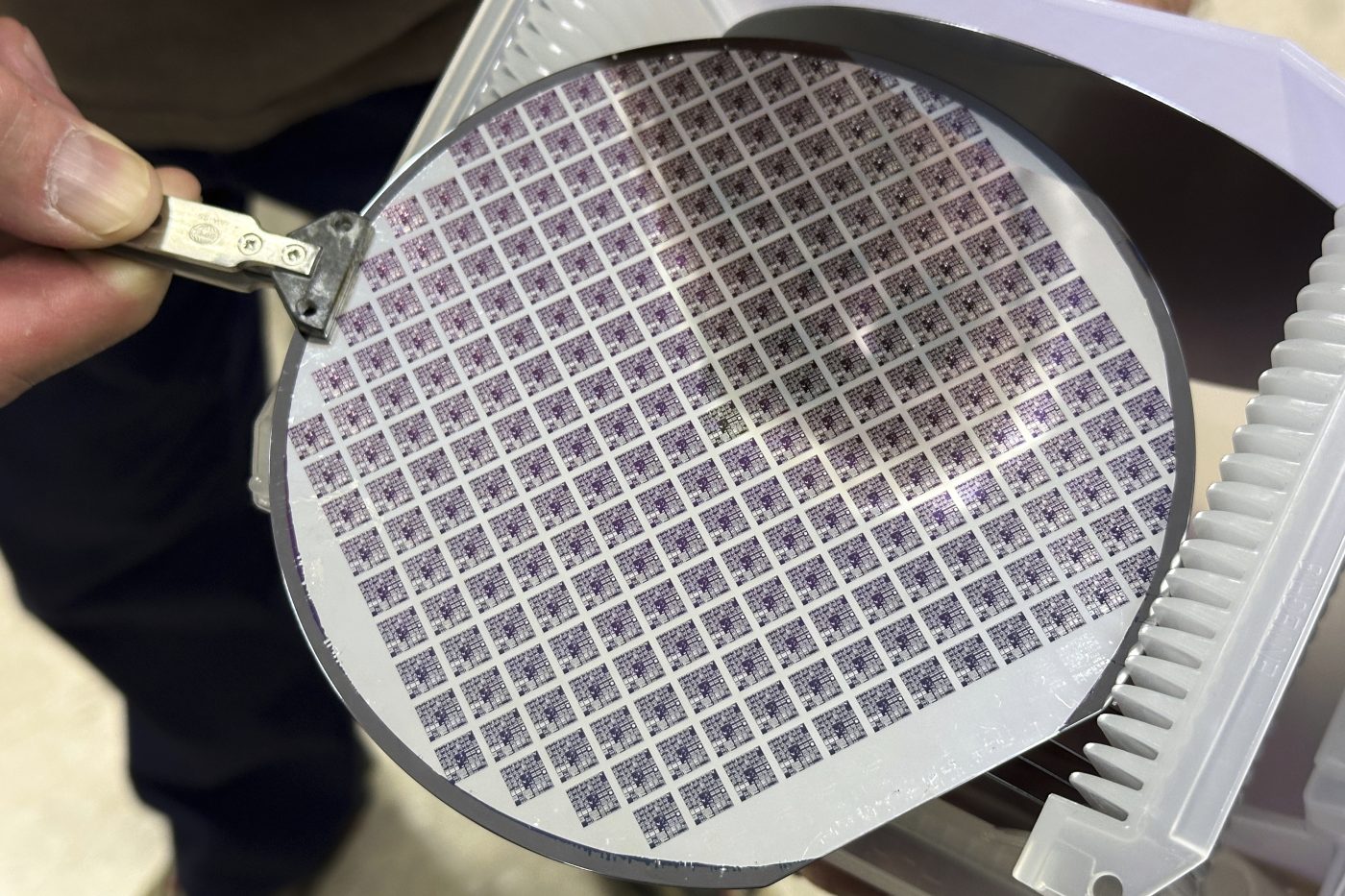
The ongoing military conflict with Iran has exposed a critical vulnerability in the global technology supply chain by disrupting the production and shipment of helium, an essential gas for manufacturing advanced semiconductors. While energy market volatility has dominated headlines, the secondary impact on helium supplies presents a direct threat to the production of chips that power everything from consumer electronics to artificial intelligence systems.
Qatar's Production Under Fire
Qatar, which supplies approximately one-third of the world's helium, has seen its natural gas infrastructure targeted by Iranian strikes. Helium is extracted as a byproduct of liquefied natural gas (LNG) production. Recent attacks have damaged Qatari facilities, with Reuters reporting that the country's helium exports are projected to fall by 14 percent. This production crisis is compounded by a severe logistics blockade, as Iran has effectively closed the Strait of Hormuz to commercial shipping since early March. This vital corridor normally handles a significant portion of global energy and industrial gas exports.

"You've got two problems—you're not getting output, and you're getting an interruption in the logistics and the shipping," said Simon Croom, a professor of supply chain management at the University of San Diego. He noted the compounding effect, as "so many other products in the supply chain pass through the Middle East, whether it's the Strait of Hormuz or the Suez Canal." The broader context of the conflict, including the administration's careful framing of military engagements and bipartisan defense of initial strikes, underscores the persistent geopolitical risk.
Why Helium Matters for Chips
Helium is not just for balloons. The Semiconductor Industry Association has identified it as a "critical input" for chip fabrication. Its unique properties as an inert gas with high thermal conductivity make it indispensable for preventing unwanted chemical reactions and precisely controlling wafer temperatures during complex processes. "Helium's unique properties... make it ideal for use in functions that require preventing unwanted chemical reactions and ensuring control and precision of wafer temperatures," the association noted in a 2023 assessment.
Hanna Dohmen, a senior research analyst at Georgetown's Center for Security and Emerging Technology, explained that helium is used to cool wafers during etching and deposition, and to cool lithography light sources. "All of these are critical components or processes to producing those leading edge chips that everybody's talking about," Dohmen told The Hill. "And those companies in South Korea and Taiwan and other leading fabs are critical users of helium."
Industry Response: Yellow Flag, Not Red Alert
Initial industry analysis suggests the semiconductor sector may withstand short-term disruptions, though concerns are mounting. Brad Gastwirth, global head of research for Circular Technology, characterized the situation as "a yellow flag rather than a red alert" in a recent note. "While the current geopolitical situation has introduced volatility into helium markets, the semiconductor and AI infrastructure ecosystem does not appear to face immediate operational disruption," he wrote.
Gastwirth pointed to long-term contracts, inventory buffers, recycling systems, and alternative production regions as buffers. However, he warned that the duration of the disruption is key. Short-term effects will likely include rising spot prices and tightened supply from industrial gas companies. If the Strait of Hormuz remains closed for several more weeks, chip fabrication plants could face "operating constraints or cost increases." Dohmen echoed this, noting that the shortage "likely hasn't yet hit as much as people have feared," but that companies are actively seeking mitigation strategies.
Long-Term Vulnerabilities and Policy Implications
The crisis highlights a deeper strategic dependency. Finding alternative helium suppliers is not simple, as chipmakers require gas at a specific purity level, and new suppliers must undergo a lengthy qualification process. "It's not a plug-and-play kind of solution," Dohmen said. She suggested the disruption could serve as "a wake-up call" for policymakers and drive investment into diversifying helium production or reducing dependencies on single suppliers.
The potential impact on chip supplies is drawing attention from the highest levels of the Trump administration, which has prioritized AI dominance and competition with China. Jacob Helberg, Under Secretary of State for Economic Affairs, recently described the Strait of Hormuz blockade as "a lesson" in economic weaponization. This supply chain shock, stemming from the same conflict that has damaged Qatari LNG infrastructure, reveals how regional warfare can quickly reverberate through the foundational technologies of the global economy.