Streaming Subscriptions Face Consumer Backlash as Prices Climb
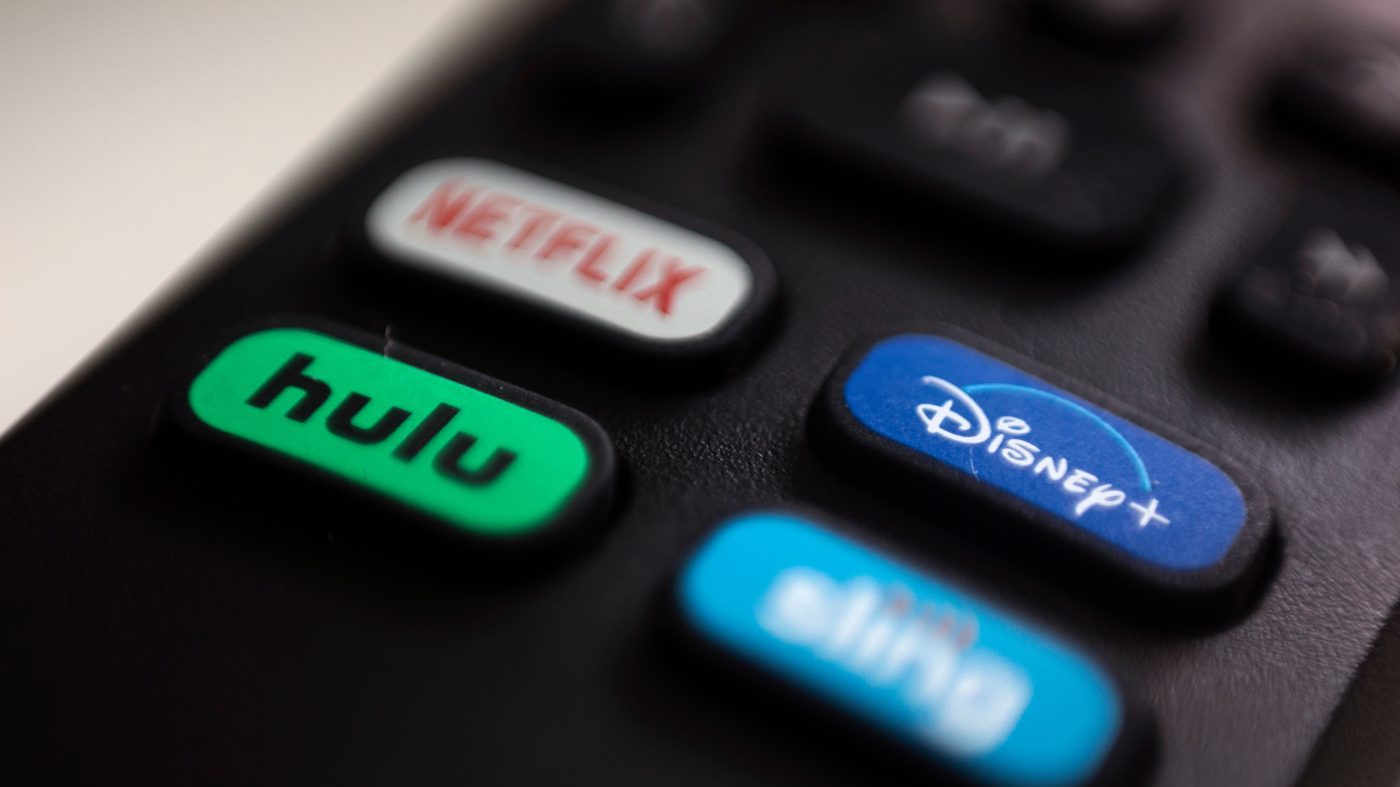
A significant shift in consumer behavior is underway as financial pressures force American households to scrutinize discretionary spending. According to a new study from consulting firm Deloitte, more than 40 percent of U.S. consumers report having recently canceled or scaled back their entertainment subscriptions, primarily citing concerns over their personal finances. This retrenchment coincides with widespread frustration over pricing, with three-quarters of those surveyed expressing irritation at the steady increase in monthly fees for streaming platforms.
The High Cost of Cord-Cutting
The trend emerges as the migration from traditional cable and linear television packages to digital streamers like YouTube TV and Roku appears to have reached an inflection point. For years, consumers embraced streaming as a cheaper, more flexible alternative to bloated cable bundles. Now, the collective cost of multiple streaming services often rivals or exceeds old cable bills, eroding the value proposition that drove the initial shift. Major media conglomerates—including Disney, Comcast, and Fox Corporation—have invested heavily in direct-to-consumer streaming ventures, betting on live sports and exclusive content to secure subscriber loyalty. However, the need to make these ventures profitable has led to consistent price increases, testing the limits of consumer tolerance.

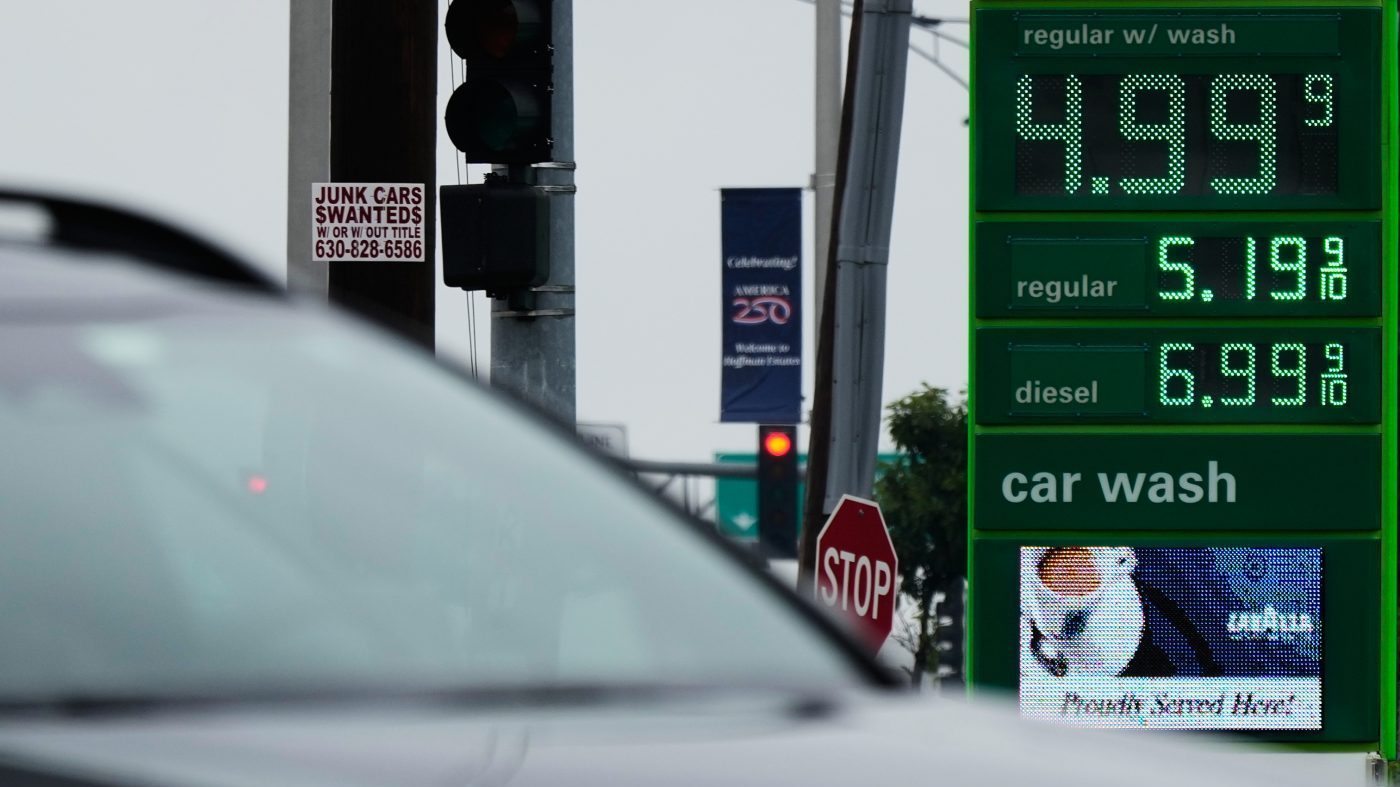
This financial friction is not occurring in a vacuum. Recent public opinion polls consistently rank affordability and the cost of living as top-tier issues for voters, contextualizing the subscription cuts as one symptom of a larger economic unease. Households are making difficult choices across their budgets, a dynamic reflected in other areas such as energy costs, where a recent survey found 70% of Americans cite fuel prices as a major concern amid global instability.
Regulatory and Market Repercussions
The escalating cost of streaming is now entering the regulatory arena. The Federal Communications Commission is currently soliciting public input on modernizing live sports blackout restrictions, a legacy rule from the cable era. Critics argue the policy is obsolete in a streaming-dominated landscape and contributes to higher costs for consumers. The agency's review, detailed in our report on the FCC's consideration of an overhaul to sports blackout rules, is directly linked to the debate over how to foster a more competitive and affordable market for televised sports.
Today, streaming commands the majority of television viewership, with tech giants Amazon, Apple, and Netflix capturing a dominant share of monthly audience attention. Their pricing strategies create a de facto benchmark for the industry. For instance, Netflix has implemented new price increases across all its subscription tiers, a move often followed by competitors. This creates a cascading effect that squeezes household budgets and forces subscribers to become more selective, frequently cycling services on and off based on content releases.
Broader Economic Choices and Political Implications
The Deloitte data points to a consumer base actively managing financial risk. Faced with stretched budgets, some Americans are seeking alternative, though often riskier, avenues for financial planning. This aligns with findings from a separate survey indicating one-third of Americans are turning to high-risk assets like cryptocurrency and meme stocks for potential gains, highlighting the economic pressures influencing a range of financial decisions.
The political implications are substantial. As voters prioritize economic security, policymakers are under pressure to address constituent pain points. This extends beyond entertainment to fundamental issues like healthcare affordability, where there is active legislative push, such as a bipartisan Senate proposal to cap insulin costs at $35 for privately insured Americans. The subscription cutbacks documented by Deloitte are a microcosm of this broader political environment, where household economics directly influence policy debates and electoral priorities.
In summary, the retreat from streaming subscriptions is more than a consumer trend; it is a political economic indicator. It reflects the cumulative impact of corporate pricing strategies, shifting media consumption patterns, and the pervasive anxiety over the cost of living that currently defines the American political landscape. How companies and regulators respond to this consumer pushback will shape the future of digital media and its role in the household budget.