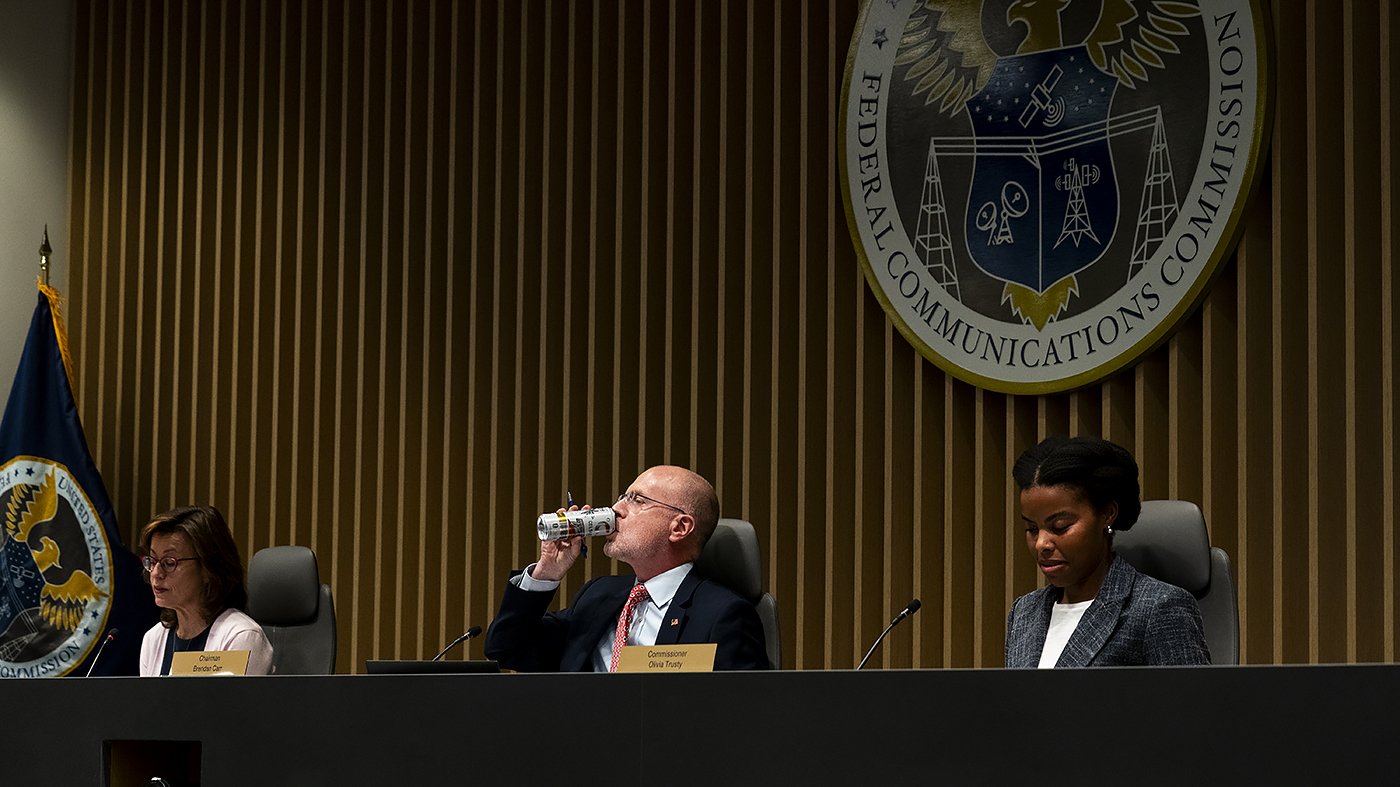
The Federal Communications Commission has initiated a formal review of regulations governing local blackouts of live sports broadcasts, signaling a potential regulatory shift that could reshape how professional leagues and media companies distribute games. The agency announced in February it is soliciting public input on viewer experiences, specifically citing escalating subscription costs and what it termed a 'fragmented' media environment.
This regulatory examination arrives alongside persistent political pressure. Polls and constituent feedback indicate growing voter irritation with the complex web of paywalled services needed to follow local teams. On Capitol Hill, legislators are discussing whether Congress should intervene to reduce the negotiating power major sports leagues wield in media rights deals. 'The leagues are pretty clearly not interested in doing what’s best for fans,' a streaming-focused media consultant told The Hill. 'And why would they [be] when people continue to pay to see games on all of these services?'

The financial burden on consumers has become substantial. According to FCC estimates, a fan wanting to watch every NFL game last season faced costs exceeding $1,000 and needed subscriptions to roughly ten different services. This landscape has evolved as platforms like YouTube TV and Roku supplant traditional cable, and media giants like Disney, Paramount, and Comcast launch direct-to-consumer streaming services built heavily around live sports content.
The NFL's economic dominance frames the debate. Its latest broadcast rights deal exceeded $110 billion, making it the most lucrative property for media conglomerates. The FCC noted in its public notice that 'sports remain inherently local, despite the increasingly national nature and reach' of broadcasts, suggesting a disconnect between modern distribution and community viewing traditions.
Broadcasters with existing sports investments are urging caution. Fox Corporation, in an FCC filing, warned that making streaming the default for sports could have 'a dramatic impact on both consumers and local journalism.' The company, led by Lachlan Murdoch, argued that if tech giants acquire more rights as loss-leaders, fans could be 'paywalled' out of major events like the World Series or Thanksgiving football.
Observers note the NFL's strategy sets the tone for all sports media. 'Sports are one of the last things people are watching live,' said Olivia Stomski of Syracuse University’s Newhouse Sports Media Center. 'I can’t help but think of the older sports fan... and now they can’t find [the game] or pay for another platform they maybe can’t afford.' This shift hits fans of leagues like MLB and NHL particularly hard, as they have traditionally relied on regional sports networks that are now struggling with cord-cutting.
The FCC's review is widely viewed as a preliminary step toward potential reform of the Sports Broadcasting Act of 1961, a law passed when the NFL's popularity soared alongside color television. The act allowed teams to collectively license games to national networks. Some lawmakers, like Senator Mike Lee (R-Utah), argue the law is obsolete. In a letter to the DOJ and FTC, Lee wrote that modern distribution differs substantially from 1960s conditions, and placing games behind subscription paywalls may not align with the law's original consumer-access rationale. This push for legislative updates mirrors other efforts where Congress is attempting to redefine federal roles in established domains.
However, the FCC's authority has limits; it holds no direct jurisdiction over major tech platforms like Amazon, Apple, or Netflix, all of which have invested billions in live sports streaming. Critics of rapid change warn that repealing the Sports Broadcasting Act or hastily altering blackout rules could create more confusion for consumers. The debate also touches on broader tensions between federal authority and market forces, a theme seen in other jurisdictional conflicts, such as when a federal judge halted a Pentagon designation for an AI firm.
The outcome of this proceeding could determine whether watching a hometown team remains a broadly accessible tradition or becomes a luxury product segmented across numerous proprietary services, reshaping a cornerstone of American media consumption.