Administration Bullish on Warsh Confirmation Timeline
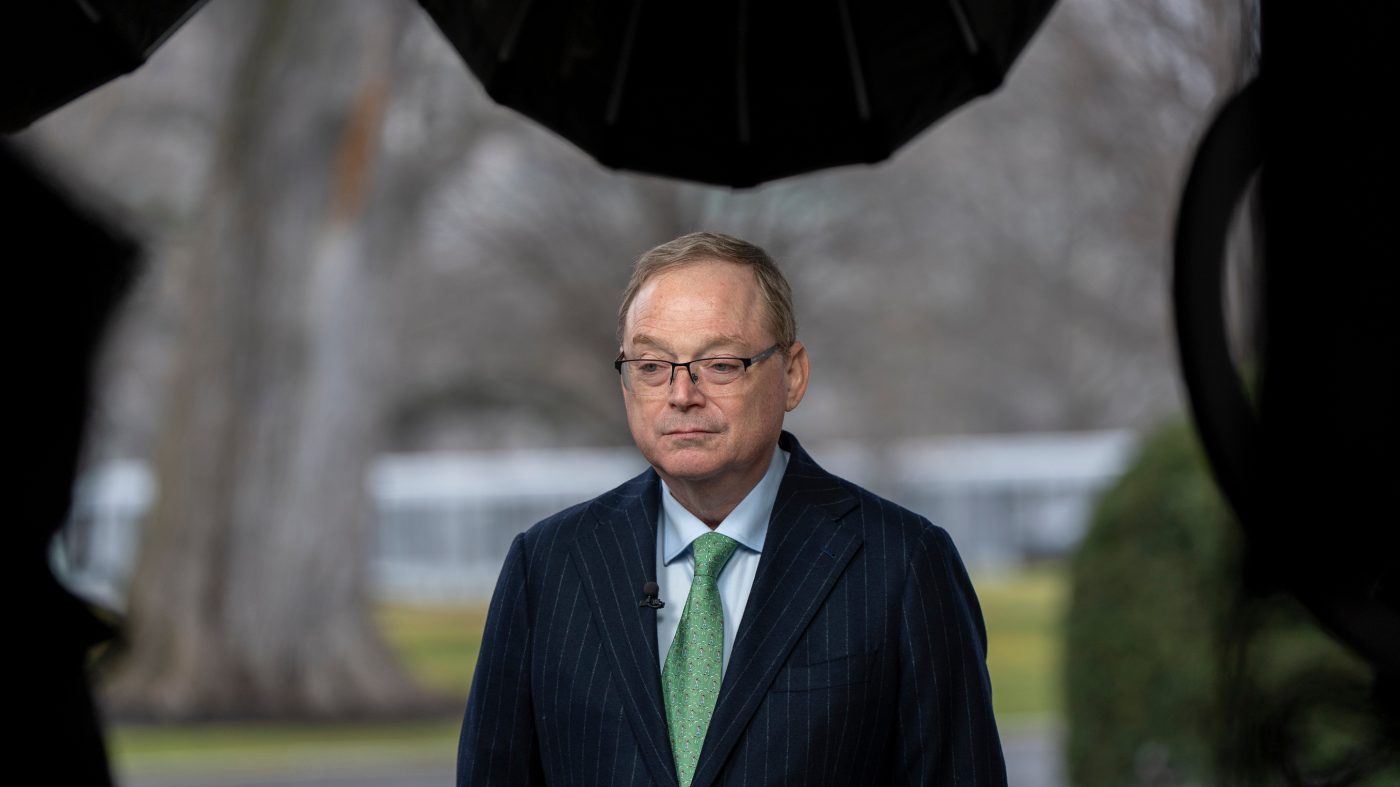
Senior White House economic adviser Kevin Hassett declared Thursday that President Trump's selection of former Fed governor Kevin Warsh to lead the central bank is proceeding toward a Senate confirmation vote, potentially as soon as May. Hassett, director of the National Economic Council, expressed "absolute" confidence in the timeline during a television interview.
Senate Hurdles and Bipartisan Calculations
Warsh's path requires majority approval in the Senate, with the Banking Committee set to begin hearings on April 16. The nomination faces unified Democratic opposition. Furthermore, Republican Senator Thom Tillis of North Carolina has announced he will not support Warsh, citing the Trump administration's ongoing criminal probe into current Chair Jerome Powell. Despite this, Hassett predicted Warsh would attract "perhaps even bipartisan support" and stated the administration would "work out something" with Tillis.
"I think the reason we do that is it is so important that an excellent man get there to the Fed," Hassett said. He added that Powell has "signaled that once there's a confirmed Fed chair, that he'll step aside," and does not expect him to remain on the board.
Nomination Unfolds Amid Economic and Geopolitical Strain
The push for Warsh, a known administration ally, occurs against a backdrop of significant economic pressure. The U.S.-Israeli military campaign against Iran and subsequent Iranian counterstrikes have effectively closed the Strait of Hormuz, a critical chokepoint for global oil shipments. This has triggered a sharp spike in energy prices, with six states hitting record diesel prices as the national average for fuel climbs.
Hassett downplayed the long-term inflationary threat, characterizing the oil shock as a temporary supply disruption that the Fed should "look through." This view is not universally shared in the business community. BlackRock CEO Larry Fink has warned of a potential "global recession" if oil reaches $150 a barrel, while United Airlines CEO Scott Kirby said his company is planning for sustained prices over $100 per barrel by reducing flight schedules.
Political Context and Policy Alignment
Warsh's nomination aligns with the Trump administration's longstanding desire for a more compliant Federal Reserve. The president has repeatedly called for lower interest rates, pressure that Powell resisted. Hassett explicitly linked the nomination to this goal, stating, "I think the [interest] rates should be lower. I think my friend Kevin Warsh probably believes that still too."
The economic fallout from the Iran conflict is having broader political repercussions, with Trump's approval sinking to historic lows according to recent polling as voters feel the pinch. This economic anxiety is manifesting in consumer behavior, with a recent Deloitte survey finding many Americans cutting discretionary spending like streaming services.
The administration's focus on the Fed nomination comes as it contends with multiple international challenges, including a failed UN Security Council resolution on the Hormuz crisis after vetoes from Russia and China. Domestically, the combination of economic strain and military engagement is reshaping the political landscape, potentially influencing future electoral strategies as figures like Ro Khanna begin to signal their long-term economic and foreign policy visions.
Despite the headwinds, the White House appears committed to securing Warsh's confirmation by May, betting that his perceived expertise and alignment with the president's economic views will ultimately sway the Senate.